Senegalese clubs threaten boycott of 2025-2026 season over subsidy cuts
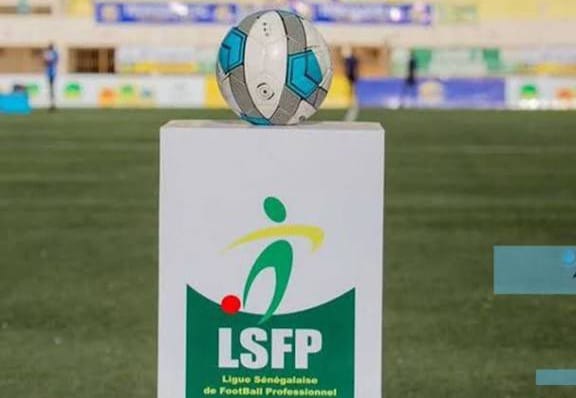
Several top-flight Senegalese clubs are threatening to boycott the upcoming 2025-2026 football season following the government’s decision to withdraw financial subsidies that have supported the sport for more than six decades.
The announcement by Sports Minister Khady Diène Gaye has sparked deep concern across the domestic game.
Since 1961, subsidies have provided crucial assistance to clubs representing Senegal in African competitions, covering travel and logistical costs.
With that support now removed, many teams fear they will be unable to sustain their participation at either continental or national level.
The consequences are already being felt. ASC Jaraaf, reigning champions of Senegal, are reportedly struggling to raise the funds required to travel for their next CAF Champions League fixture in Cameroon.
Club officials have warned that without urgent financial intervention, they may be forced to withdraw from the competition—a scenario that would severely damage the country’s reputation on the African stage.
Other clubs across the league are also grappling with mounting financial uncertainty. For many, subsidies from the ministry have been a lifeline in managing the high costs of running professional football.
Executives argue that the withdrawal not only jeopardises international competition but also undermines the stability of the domestic league itself.
“The removal of subsidies is weakening the entire national football system,” said one senior club official, reflecting the widespread frustration shared by administrators.
The decision has already prompted meetings among presidents of several leading clubs, many of whom are now openly considering withdrawing from the national championship in protest.
The Senegalese league, scheduled to kick off on 11 October, faces the real prospect of disruption if clubs follow through on their threat.
A boycott by multiple teams could paralyse the competition, leading to a crisis in one of Africa’s most respected footballing nations.
For decades, subsidies have enabled Senegalese clubs to compete regionally despite limited resources. The sudden change, imposed without a transition plan, has therefore come as a major shock.
While the Ministry of Sports has defended the decision as part of broader budgetary reforms, critics argue that the move ignores the economic realities of running football clubs and risks undoing years of progress in the sport.
The standoff leaves Senegalese football at a crossroads. With the league season fast approaching, club leaders are calling for urgent dialogue with the government to find a compromise.
Without it, the threat of a mass boycott looms large, casting doubt over the future of both the domestic championship and the country’s standing in African competitions.
As matters stand, the fate of the 2025-2026 season remains uncertain. What is clear, however, is that the subsidy cuts have ignited one of the biggest financial and organisational crises Senegalese football has faced in recent history.
Popular News




-

AFCON 2025: Fixtures, Results, Scores and Standings
Jan 18, 2026 -

Leadership and long-term vision key to rescuing Zamalek and inspiring Egyptian football – Hany Abou Rida
Nov 5, 2025 -

South African giants Orlando Pirates set to lose influential forward Monnapule Saleng
Mar 19, 2025 -

Full schedule for 2025 Africa Cup of Nations in Morocco confirmed
Feb 12, 2025

-

PSG youngster Senny Mayulu switches allegiance to DR Congo as World Cup dream beckons
Apr 5, 2026 -

Seven Eritrea players reported missing in South Africa after AFCON qualification
Apr 5, 2026 -
Algeria face crucial Egypt clash as Morocco meet Libya in U17 AFCON qualifiers
Apr 4, 2026 -

FEATURE: Senegal-Morocco friendship put to test by Africa Cup of Nations title turmoil
Apr 4, 2026