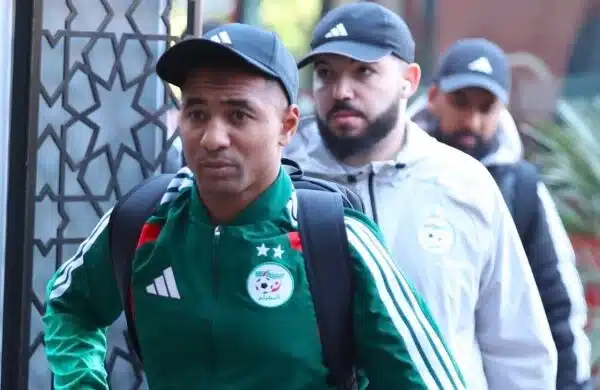
Algeria defender Samir Chergui has highlighted the physical demands, direct style of play and unique atmosphere that distinguish African football from the European game.
In an exclusive interview with beIN Sports, the Algerian international discussed the challenges players face when competing on the continent, explaining that the demands are different from those they encounter in European club football.
Chergui, who has experience in French football, said physical battles remain a defining feature of African matches, requiring players to adjust quickly to the conditions and style of competition.
“In Africa, it’s not easy and it’s very different, because football is mainly based on the physical aspect. The atmosphere is also completely different from Europe. The game is very direct and based on physical duels. That’s African football in general, and it’s been no secret to anyone for years ,” the defender explained.
His comments underline the differences between the two football environments, particularly in the intensity of physical challenges and the approach teams take during matches.
While European football can involve different tactical approaches depending on the league and team, Chergui believes African football places considerable emphasis on physical strength, direct play and winning individual battles across the pitch.
For defenders, those demands can be especially important. The ability to compete in physical duels, respond to direct attacks and adjust to the intensity of a match can influence how effectively a player performs at international level.
Chergui’s observations also highlight the adjustment required when moving from regular club football to representing a national team in African competitions.
Players who spend most of their time competing in Europe must be prepared for a different style of football when they join their national sides. The pace of matches, the frequency of physical encounters and the atmosphere surrounding games can all require changes in their approach.
For Chergui, understanding those differences is an important part of adapting to international football with Algeria. His experience in French football offers a point of comparison as he continues to experience the demands of representing his country.
The defender also stressed the distinctive atmosphere surrounding African football, which he identified as another major difference from the European game.
Supporters and match environments form part of the wider experience, creating conditions that players must learn to handle alongside the physical demands on the pitch.
Chergui’s assessment reflects the challenges international players can encounter when moving between football cultures. His message is that adapting to African football requires an understanding of its physical intensity, direct approach and distinctive match atmosphere.
The Algerian defender’s comments provide an insight into how players experience the differences between club football in Europe and international competition in Africa.
-
 Samir Chergui explains the differences between African and European football Oct 19, 2026
-
DR Congo eliminated from CAN U20 qualifying by draw Oct 19, 2026
-
Amine Harit’s Marseille revival puts Morocco return in sight after Ounahi injury Oct 19, 2026
-
9.5 odds call lands as a busy week produces a series of winning football tips Oct 19, 2026




-
AFCON 2025: Fixtures, Results, Scores and Standings Jan 18, 2026
-
Match hero Taiwo Awoniyi reflects on team effort after Chelsea triumph May 5, 2026
-
Leadership and long-term vision key to rescuing Zamalek and inspiring Egyptian football – Hany Abou Rida Nov 5, 2025
-
South African giants Orlando Pirates set to lose influential forward Monnapule Saleng Mar 19, 2025




-
PSG v Barcelona: fiery attacks set up Champions League classic at Parc des Princes Oct 18, 2026
-
Real Betis v Barcelona: kick-off time, TV details and match preview Oct 16, 2026
-
Morocco to face New Zealand as FIFA U-17 Women’s World Cup kicks off in Rabat Oct 16, 2026
-
Bryan Mbeumo scores again as Manchester United held by Leeds Oct 18, 2026