
African Coaches
AFCON
African Legends
Africans Abroad
Africans Born Abroad
Latest News
Morocco
Senegal
Tunisia
Quorum controversy rocks CAF decision to strip Senegal of AFCON title
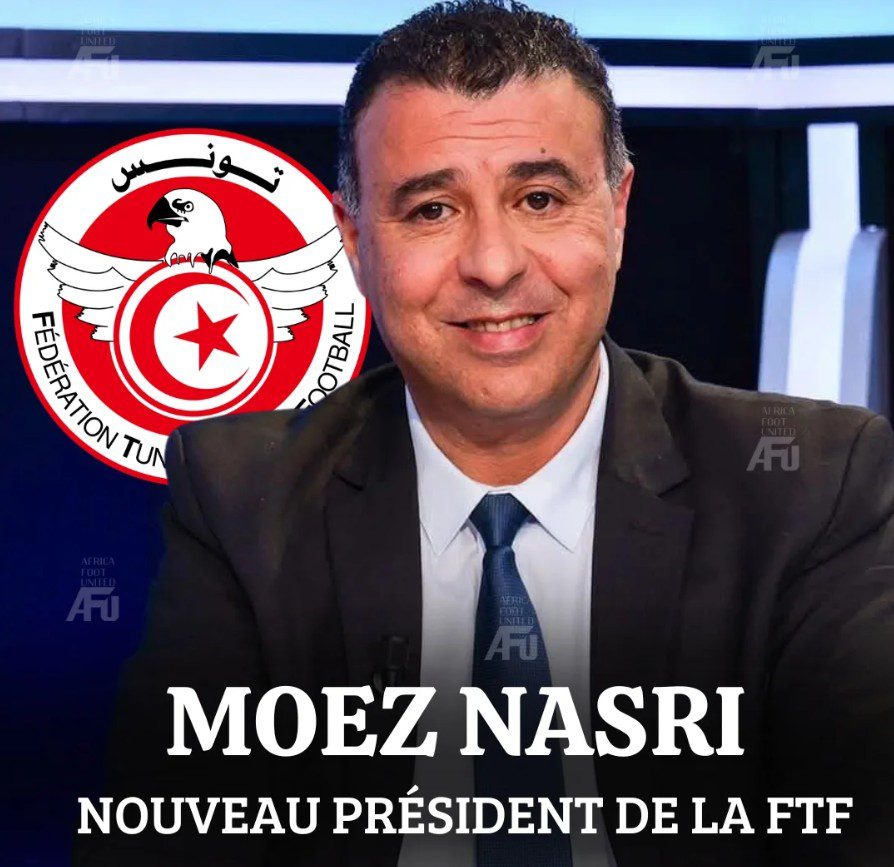
Fresh doubts have emerged over the legality of CAF’s decision to strip Senegal of the 2025 Africa Cup of Nations title, with questions now being raised about whether the ruling itself was procedurally valid, AfricaSoccer.com can exlcusively reveal.
The Confederation of African Football’s Appeals Board had ruled last Tuesday that Senegal forfeited the final, awarding Morocco a 3-0 victory and handing them the continental title.
But new details surrounding how that decision was reached have intensified scrutiny of the process behind one of the most controversial rulings in African football history.
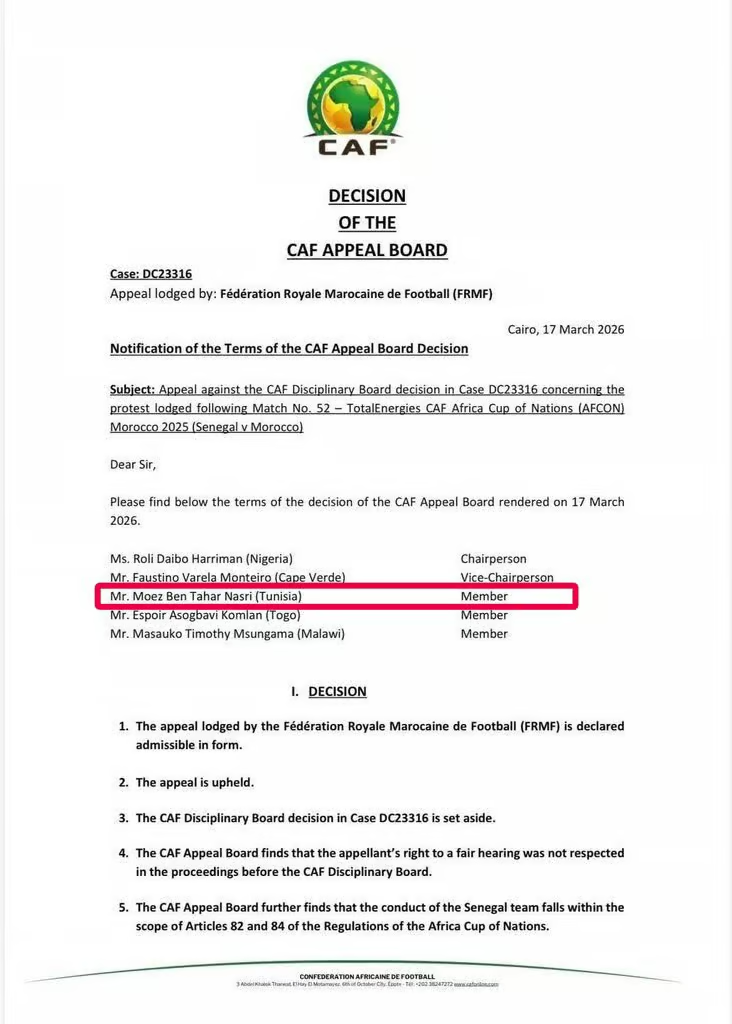
According to official minutes, only five of the nine Appeals Board members were present when the verdict was delivered in Cairo. The session was held behind closed doors, a move that has further fuelled speculation and competing interpretations of the outcome.
Quorum concerns cast shadow over decision
At the centre of the debate is whether the Appeals Committee had the required quorum to make a legally binding decision.
Under CAF regulations, rulings of this nature typically require a minimum number of members — generally a majority — to validate proceedings.
However, concerns have been raised that even among the five listed participants, not all may have been eligible to sit on the panel.
The participation of Tunisian official Moez Ben Taher Nasri has come under particular scrutiny. Following his appointment as president of the Tunisian Football Federation, he should have resigned as a member of the committee as his neutrality is compromised.
Members of the Appeals Committee of CAF are supposed to be neutral and independent but since his election as the President of the Tunisia FA in election last year, he lost his neutrality which makes him ineligible to sit on the committee.
This would effectively reduce the number of valid decision-makers to four — falling short of the required quorum threshold.
Such a scenario would cast serious doubt over the legal standing of the ruling, raising the possibility that the decision to overturn Senegal’s victory could itself be challenged on procedural grounds.
Who was present – and who was absent
The Appeals Committee is made up of nine members, including president Roli Daibo Harriman of Nigeria and vice-president Faustino Varela Monteiro of Cape Verde.
Also listed among its members are Moez Ben Taher Nasri (Tunisia), Espoir Asogbavi Komlan (Togo), and Masauko Timothy Msungama (Malawi), who were reported to have been present during the deliberations.
However, several other members — including Mohamed Robleh Djama (Djibouti), Hamoud T’feil Bowbe (Mauritania), Lubamba Ngimbi Hector (DR Congo), and Moses Ikanqa (Namibia) — did not take part in the hearing.
Djama has since publicly acknowledged his absence, adding further weight to concerns about the composition of the panel that delivered the final verdict.
A decision that could be challenged again
The controversy comes against the backdrop of an already explosive ruling.
Senegal had originally won the AFCON final on the pitch after extra time, only for CAF’s Appeals Board to later declare them to have forfeited the match following a temporary walk-off in protest over a penalty decision.
Morocco were subsequently awarded the title — a move that has sparked widespread reaction across the football world.
Now, the focus is shifting from the incident on the pitch to the legitimacy of the body that delivered the ruling itself.
If the quorum requirement was indeed not met, legal experts suggest the decision could be deemed invalid, opening the door to further appeals and prolonging the uncertainty surrounding the 2025 AFCON title.
African football faces deeper questions
Beyond the immediate implications for Senegal and Morocco, the situation raises broader concerns about governance, transparency, and decision-making within African football.
With key questions still unanswered, the episode risks deepening divisions and undermining confidence in disciplinary processes at the highest level of the game.
As scrutiny intensifies, what was already one of the most controversial finals in AFCON history may yet evolve into a prolonged legal battle — one that could ultimately redefine how such decisions are made in the future.
Popular News




-

AFCON 2025: Fixtures, Results, Scores and Standings
Jan 18, 2026 -

Leadership and long-term vision key to rescuing Zamalek and inspiring Egyptian football – Hany Abou Rida
Nov 5, 2025 -

South African giants Orlando Pirates set to lose influential forward Monnapule Saleng
Mar 19, 2025 -

Full schedule for 2025 Africa Cup of Nations in Morocco confirmed
Feb 12, 2025
-
2025/26 CAF Confederation Cup: Fixtures, Results, Tables and Standings
Mar 21, 2026 -

2025/26 CAF Champions League: Fixtures, Results, Tables and Standings
Mar 21, 2026 -

Guinea seeks review of 1976 AFCON title after CAF’s decision to strip Senegal of title
Mar 20, 2026 -

Wayne Rooney labels South Africa 2010 ‘worst World Cup’ in history
Mar 19, 2026