Provide evidence if you think CAF is biased – Veron Mosengo-Omba
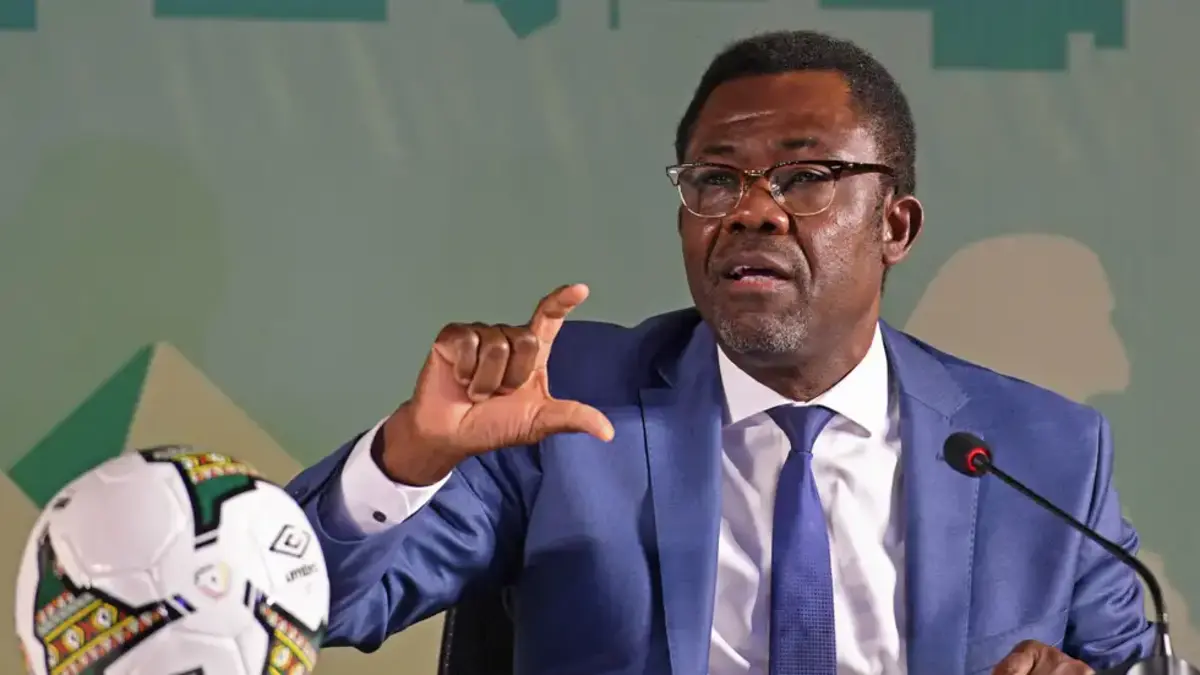
Mosengo-Omba Dismisses CAF Bias Claims, Challenges Critics to Present Evidence
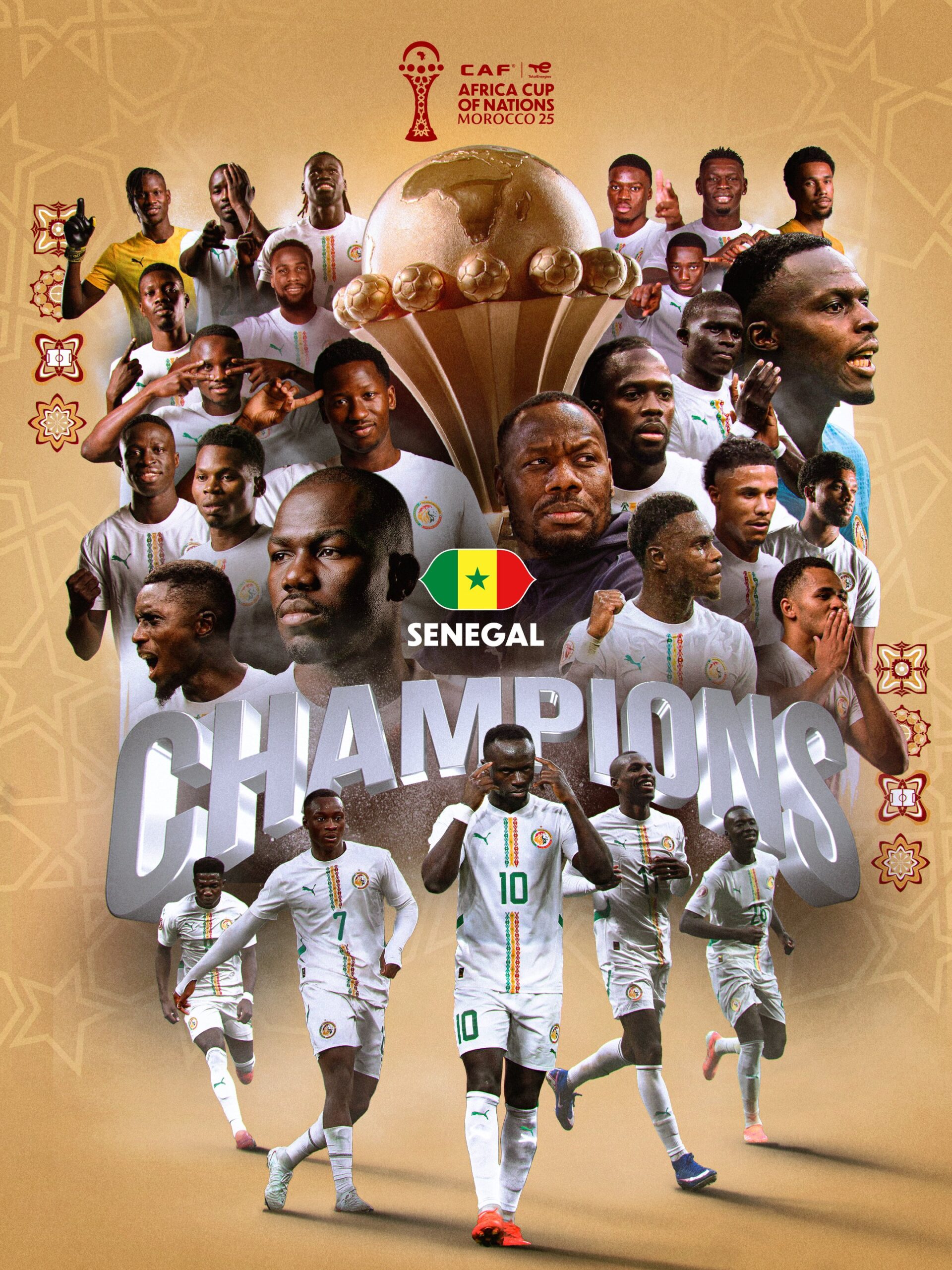
Former Secretary General of the Confederation of African Football (CAF), Veron Mosengo-Omba, has firmly rejected allegations that the organisation is biased in favour of Morocco in the ongoing dispute with Senegal.
More than three weeks after CAF’s Appeals Committee controversially awarded the 2025 Africa Cup of Nations title to Morocco—despite Senegal’s on-field victory—the issue continues to generate intense debate. The case has since been escalated to the Court of Arbitration for Sport, where a final ruling is expected.
In an interview with France 24, Mosengo-Omba, who stepped down from his role on March 29, responded sharply to suggestions that CAF’s decision-making process was influenced or compromised. Visibly frustrated, he dismissed the claims as unfounded and driven by emotion rather than fact.
“Emotions got the better of us. President (Patrice) Motsepe and I weren’t even present (when the appeals committee made its decision). If you don’t like the decision, appeal it.”
He further challenged critics to substantiate their accusations, insisting that such claims damage the credibility of African football institutions.
“Whoever claims that some entity controls CAF, let them provide evidence. It is not fair to make such baseless accusations and to say that CAF has been biased. On what basis?”
Addressing speculation surrounding his departure, Mosengo-Omba denied that his resignation was linked to the AFCON final controversy. Instead, he described it as a personal decision made after years of service.
“I spent five years as CAF Secretary General, and it was the right time to turn the page. It’s the end of an era. I had been thinking about leaving before then, but I wanted to experience this wonderful edition of the Africa Cup of Nations, which broke all records in terms of viewership and revenue.”
He also praised the organisation of the tournament, highlighting its commercial success and global reach, while indirectly commending Morocco’s role as host.
Despite his explanation, reports have suggested that his exit may not have been entirely voluntary, with claims of internal criticism and concerns over exceeding the organisation’s age limit circulating behind the scenes.
As tensions persist between Senegal and Morocco, and with the matter now firmly in the hands of CAS, Mosengo-Omba’s remarks add another layer to a controversy that continues to test the credibility and governance of African football.
Popular News


-
AFCON 2025: Fixtures, Results, Scores and Standings
Jan 18, 2026 -

Leadership and long-term vision key to rescuing Zamalek and inspiring Egyptian football – Hany Abou Rida
Nov 5, 2025 -

South African giants Orlando Pirates set to lose influential forward Monnapule Saleng
Mar 19, 2025 -

Full schedule for 2025 Africa Cup of Nations in Morocco confirmed
Feb 12, 2025
-

PSG youngster Senny Mayulu switches allegiance to DR Congo as World Cup dream beckons
Apr 5, 2026 -
Seven Eritrea players reported missing in South Africa after AFCON qualification
Apr 5, 2026 -
Algeria face crucial Egypt clash as Morocco meet Libya in U17 AFCON qualifiers
Apr 4, 2026 -
Paul Pogba available to face Marseille after injury recovery
Apr 3, 2026