
Countries
Algeria
Cabo Verde
COSAFA
Côte d’Ivoire
DR Congo
Egypt
FIFA World Cup
Ghana
Latest News
Morocco
South Africa
UNAF
UNIFFAC
WAFU A
WAFU B
Zonal Bodies
Political deadlock delays $625 million World Cup security funds, raising alarm for host cities
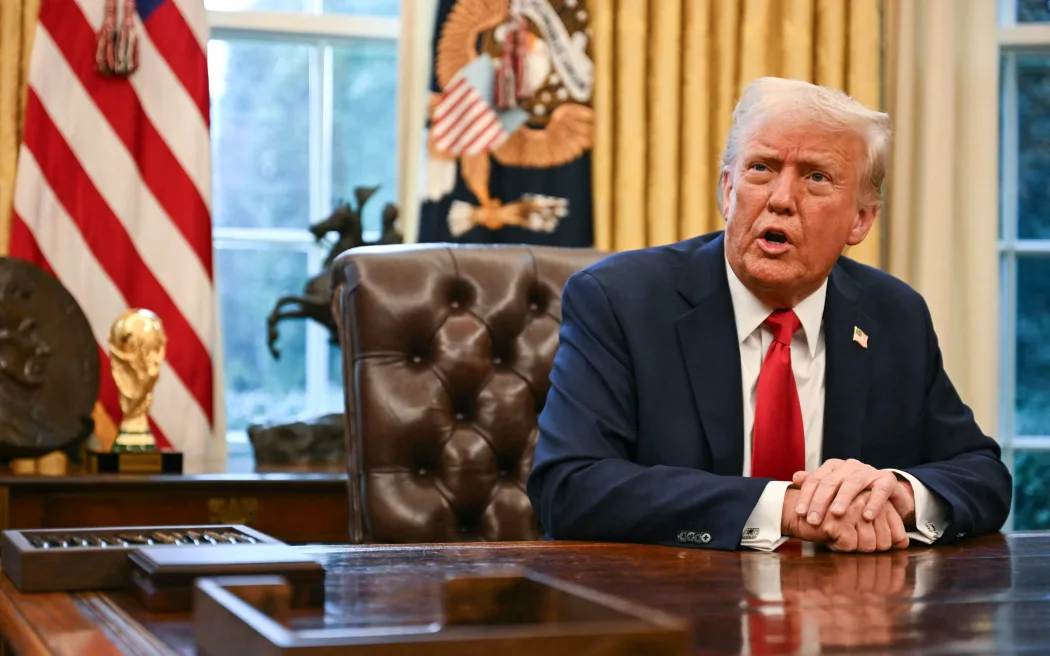
A partisan stalemate in Washington has stalled the release of $625 million earmarked for local authorities to bolster security for this summer’s FIFA World Cup, a delay that has city officials and lawmakers sounding alarms about preparedness.
The funds, managed by the Department of Homeland Security (DHS), were scheduled to be distributed by Jan. 30 but remain untouched, leaving municipalities scrambling to finalize critical security arrangements.
Rep. Nellie Pou (D., N.J.), whose district encompasses MetLife Stadium—home to eight matches, including the final on July 19—blamed the hold-up squarely on political motives. “I don’t have any doubt that they are using that for political reasons,” Pou told Front Office Sports, adding that the Trump administration’s intentions are “100% political.”
Pou also dismissed claims from DHS Secretary Kristi Noem that a funding impasse justified the delay, asserting, “Secretary Noem is saying she isn’t releasing them because of funding impasse. That is absolutely not true.”
Noem has countered that a partial government shutdown hampered FEMA’s ability to complete final reviews of grant applications, leaving funds unawarded. In a statement last week, she said the shutdown put “significant portions of the FEMA staff on administrative leave” and stressed that the delay jeopardized security for both the FIFA World Cup and the America 250 celebrations. She called on Democrats to end the shutdown, arguing that continued inaction “directly impacts DHS’s ability to keep Americans safe at these events and our national security.”
The hold-up has prompted warnings from host city officials across the country. At a House Homeland Security Committee hearing last week, Raymond Martinez, COO of Miami’s World Cup host committee, described the $70 million grant his city anticipates as essential, noting, “Within the next 30 days is the drop-dead date.
“I know that the local agencies are very anxious. But without receiving this money, it could be catastrophic for our planning and coordination.” Kansas City (Mo.) Deputy Police Chief Joseph Mabin echoed the concern, emphasizing that the funding is critical for staffing and mutual aid support. “We just don’t have enough officers within my own department to cover all the threats,” Mabin said, underscoring the real-world risks posed by the stalled disbursement.
Popular News




-

AFCON 2025: Fixtures, Results, Scores and Standings
Jan 18, 2026 -

Leadership and long-term vision key to rescuing Zamalek and inspiring Egyptian football – Hany Abou Rida
Nov 5, 2025 -

South African giants Orlando Pirates set to lose influential forward Monnapule Saleng
Mar 19, 2025 -

Full schedule for 2025 Africa Cup of Nations in Morocco confirmed
Feb 12, 2025

-

2025/26 CAF Confederation Cup: Fixtures, Results, Tables and Standings
Apr 11, 2026 -

2025/26 CAF Champions League: Fixtures, Results, Tables and Standings
Apr 12, 2026 -

Fresh evidence could strengthen Morocco’s hand at CAS in AFCON title dispute with Senegal
Apr 9, 2026 -

AFCON final referee Jean-Jacques Ndala snubbed for 2026 World Cup
Apr 9, 2026
