Mourinho’s Real Madrid comeback reignites debate over his place among football’s elite
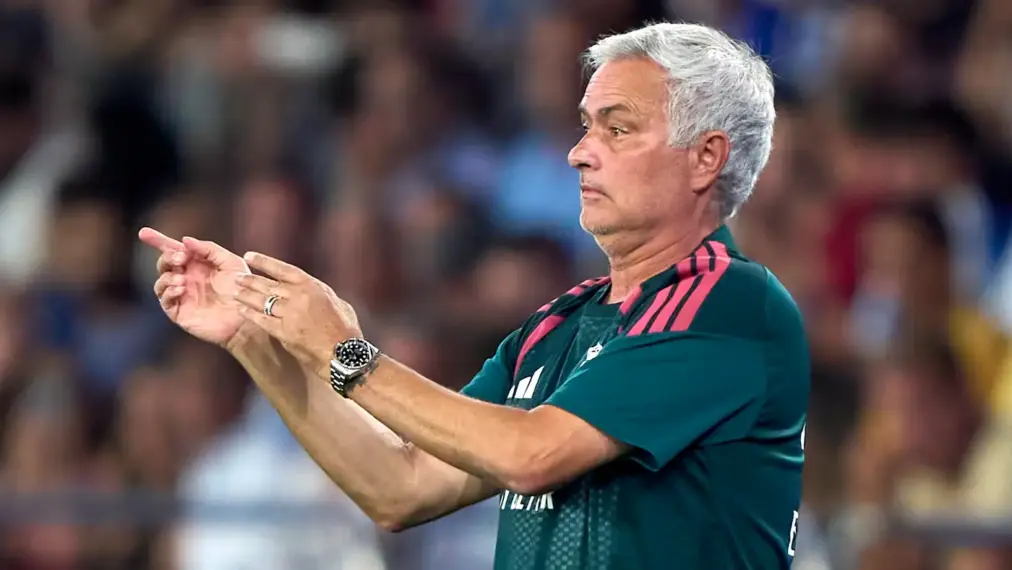
Jose Mourinho’s return to Real Madrid has prompted renewed debate over whether the Portuguese remains a first-class coach, with discussion focusing on how much he has changed since his first spell at the Santiago Bernabeu.
The subject was examined on the La Tribu programme on Radio Marca, where contributors considered the version of Mourinho that Real Madrid may now see and whether he can offer a calmer approach than the one associated with his previous time at the club.
“I think we will see a different version from the one we saw in 2011,” said one participant.
However, others questioned whether Mourinho can ever be separated from the strong personality that has defined his career. One contributor suggested that it was difficult to imagine him operating outside the controversial nature that has often accompanied him.
The discussion then turned to the impact of Mourinho’s character and the disputes that have followed him throughout his managerial career.
“What Mourinho does is not artificial, and it is not a shield he hides behind. Mourinho is like that,” said one participant, summarising the argument with the phrase: “You have to take the whole package with him.”
Others argued that Mourinho should be allowed to evolve and correct behaviours he believes were mistakes. “Everyone has the right to redirect the things they realise they got wrong,” one contributor said.
Mourinho’s present standing as a manager proved to be one of the most contentious parts of the debate. One participant described him as “a very good coach”, but said he was no longer at the same footballing level as Pep Guardiola or Luis Enrique.
The response from another contributor was emphatic: “Mourinho is world-class, world-class, world-class.”
In defence of Mourinho’s record, the programme highlighted the way he had innovated and made his teams competitive. His influence on football, it was argued, goes beyond the results achieved by the sides he has managed in recent years.
His critics, however, pointed to the decline in the number of trophies won during the latter part of his career. They referred to his time at Roma, including the Europa League final defeat by Sevilla, as well as his subsequent experiences in Turkey and Portugal.
The programme also examined why Real Madrid had chosen Mourinho again. Some contributors believed the club was not simply looking for a particular footballing model. Instead, they suggested the Spanish giants were also seeking to recover a distinctive personality and a different approach to major confrontations.
“Real Madrid signed Mourinho because he is an institution, and because he represents a way of being,” said one participant. That view was linked to memories of his first spell at the club, when he was able to compete directly with Barcelona.
Ultimately, results will determine whether the decision proves successful. Mourinho’s real challenge, one contributor said, “will not be his personal battle, but trying to make Real Madrid win”.
Mourinho returns as Real Madrid attempt to change the direction of recent seasons. The club have gone two years without winning La Liga, while Barcelona have dominated the competition.
The debate ended with one final assessment of the appointment: “Mourinho is what Florentino Perez brings.”
-
 Three football bets to consider on 18 October: goals, corners and half-time stalemate Oct 18, 2026
 -
VAR introduction to Betway Premiership could face further delays Oct 18, 2026
-
Ghana’s Black Maidens ready to take on Norway as Joe Nana Adarkwa targets winning World Cup start Oct 18, 2026
-
Lamine Yamal hailed as world’s best player after Barcelona win Oct 17, 2026




-
AFCON 2025: Fixtures, Results, Scores and Standings Jan 18, 2026
-
Match hero Taiwo Awoniyi reflects on team effort after Chelsea triumph May 5, 2026
-
Leadership and long-term vision key to rescuing Zamalek and inspiring Egyptian football – Hany Abou Rida Nov 5, 2025
-
South African giants Orlando Pirates set to lose influential forward Monnapule Saleng Mar 19, 2025




-
Real Betis v Barcelona: kick-off time, TV details and match preview Oct 16, 2026
-
Morocco to face New Zealand as FIFA U-17 Women’s World Cup kicks off in Rabat Oct 16, 2026
-
Roma v Real Madrid: home side tipped to score first in Champions League clash Oct 12, 2026
-
Atletico Madrid v Manchester United: probable line-ups for Champions League clash Oct 12, 2026