Morocco v Senegal: Six key questions facing CAS over Africa Cup of Nations 2025 title
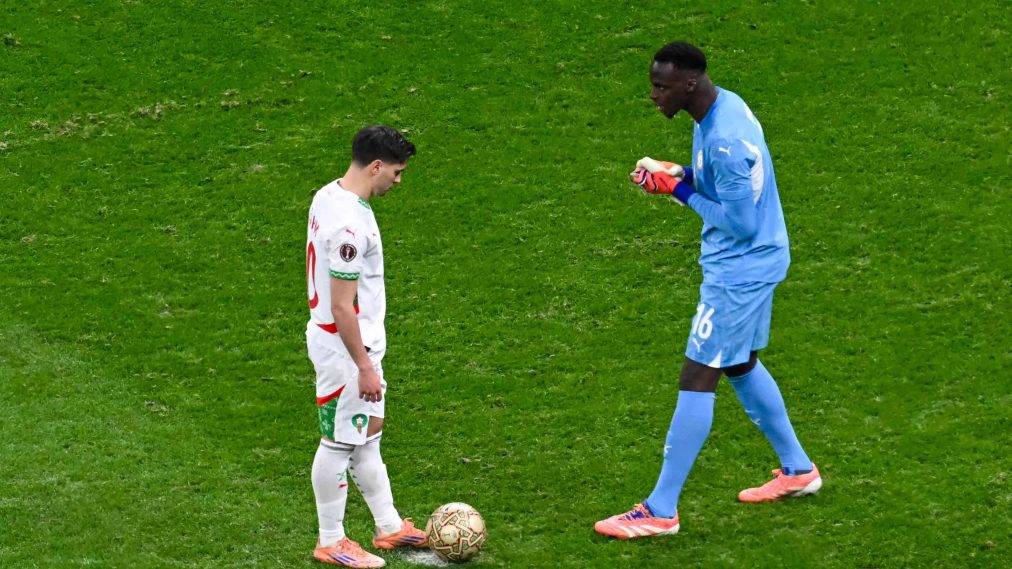
Football’s attention turns to Lausanne on Thursday as Senegal, Morocco and the Confederation of African Football (CAF) appear before the Court of Arbitration for Sport (CAS) over the disputed Africa Cup of Nations 2025 final. No final ruling is expected during the hearing.
CAF’s appeal committee ruled in March that Senegal had forfeited the match and awarded Morocco a 3-0 victory, relying on Articles 82 and 84 of the tournament regulations. Senegal had left the pitch during the final but returned to complete the game, which they won on the field after extra time.
The case centres on six questions.
Did Senegal refuse to continue?
Article 82 allows action against a team that “refuses to play or leaves the field before the end of the match without the referee’s permission”.
Sports lawyer Roman Bezzini, speaking to Afrik-Foot, said the regulations did not expressly cover a team leaving the pitch and then returning to resume the match. He argued that the game had not been permanently abandoned, raising uncertainty over whether Senegal’s actions amounted to a “refusal to play”.
Lawyer Amir Najazi also distinguishes between refusing to play and leaving the field. Senegal’s return could make it difficult to describe the incident as a final refusal to continue, although he accepts that the departure of most of the players was, literally, a breach of the wording concerning leaving the field.
Does the final whistle protect the result?
The match resumed under referee Jean-Jacques Ndala before Senegal eventually won in extra time.
South African sports lawyer Pius Ndoukou told the South African Broadcasting Corporation (SABC): “If the referee had refused to allow them to return to the field, we would not have this case. But they came back, the match resumed and the referee blew the final whistle.”
Ndoukou believes CAF’s appeal committee misinterpreted the events. In his view, the resumption of play and the final whistle could support preserving the result recorded on the pitch.
Was the punishment proportionate?
Even if CAS finds that Senegal breached the regulations, it must consider whether awarding the match to Morocco by forfeit was an appropriate sanction.
Najazi said proportionality is a central principle in CAS decisions. The court could decide that other disciplinary measures would punish Senegal’s conduct without overturning a sporting result achieved after the game was completed.
Should the regulations outweigh what happened in the match?
Bezzini believes a strict reading of CAF’s rules could uphold the appeal committee’s decision and considers Senegal’s chances of success “largely weak”.
Ndoukou takes the opposite view, arguing that insufficient weight was given to the players’ return and the referee’s decision to restart the final. “I am convinced that CAS will overturn the decision,” he said.
Could Senegal keep the result but still be punished?
Najazi believes both legal positions are arguable, but says the priority should be protecting “the integrity of the competition and the integrity of the sporting result”.
CAS could therefore retain the result while imposing separate disciplinary penalties on those responsible for leaving the field. That would require balancing the regulations, the referee’s role, and the fact that the final was completed.
Could the final be replayed?
The experts regard a replay as highly unlikely. Bezzini said CAF’s regulations do not appear to provide for one, while Ndoukou considers the prospect entirely unlikely.
The dispute is therefore expected to focus not on staging the final again, but on who legally owns a match already decided on the pitch: Morocco, under CAF’s forfeiture ruling, or Senegal, because play resumed and the score stood when the final whistle was blown.
-
 DR Congo vs Ivory Coast: Where to watch Women’s Olympic qualifier Oct 8, 2026
 -
Lionel Messi’s record against African nations: Algeria his favourite target Oct 8, 2026
-
Senegal and Morocco case over CAN 2025 final reaches CAS hearing Oct 8, 2026
-
Burkina Faso face Equatorial Guinea in crucial Olympic qualifying first leg Oct 8, 2026




-
AFCON 2025: Fixtures, Results, Scores and Standings Jan 18, 2026
-
Match hero Taiwo Awoniyi reflects on team effort after Chelsea triumph May 5, 2026
-
Leadership and long-term vision key to rescuing Zamalek and inspiring Egyptian football – Hany Abou Rida Nov 5, 2025
-
South African giants Orlando Pirates set to lose influential forward Monnapule Saleng Mar 19, 2025




-
Croatia face Spain with Nations League hopes on the line in Split Oct 5, 2026
-
France v Belgium: Probable line-ups for Nations League clash Oct 3, 2026
-
Morocco coach Mohamed Ouahbi refuses to single out player after Mali draw Oct 4, 2026
-
Noussair Mazraoui leaves Morocco squad early after injury Oct 2, 2026