Morocco urges stronger cooperation with Spain and Portugal ahead of 2030 World Cup
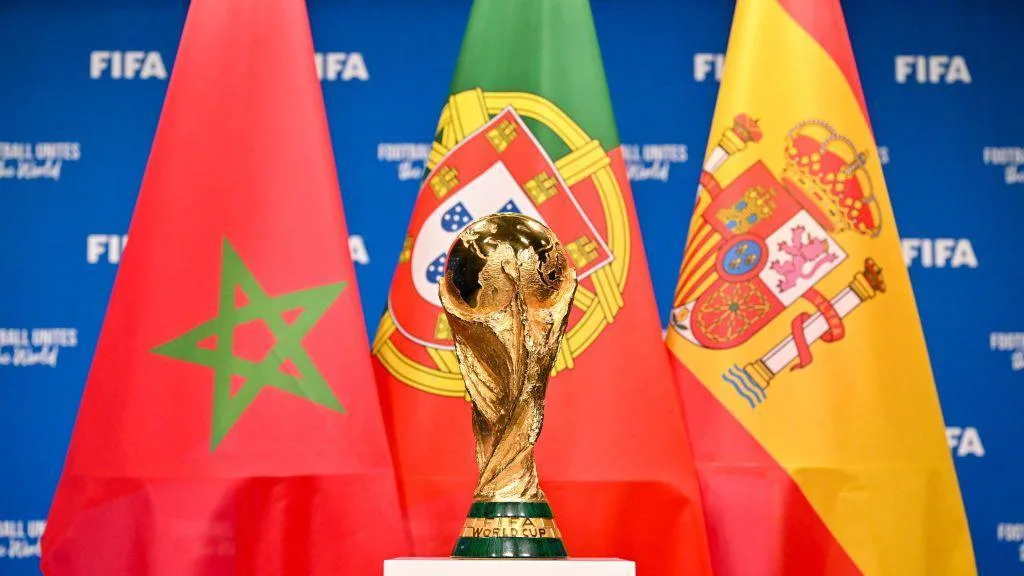
Morocco has called for intensified coordination between public and private sectors in Morocco, Spain, and Portugal to ensure the success of the 2030 FIFA World Cup.
Fouzi Lekjaa, Minister Delegate in charge of the Budget and president of the Royal Moroccan Football Federation, made the call during the opening of the Morocco–Spain–Portugal Business Forum in Salé on Tuesday.
“These consultations allow us to pool skills, share best practices and generate sustainable added value,” Lekjaa said.
He described the tournament as a unifying project designed to bring people together, promote youth engagement, and foster cooperation and innovation across the three host nations.
“This project, based on a long history of civilizational, cultural and economic complementarity between the three countries, represents an opportunity to leverage all their strengths to build a fluid, coherent and exemplary organization,” he added.
Lekjaa also highlighted the logistical, security, and organizational challenges of a tournament spanning multiple countries, with hundreds of matches in a short timeframe.
He stressed that success would depend on continuous coordination, harmonized infrastructure, and efficient transport and management systems.
“From large companies building stadiums to smaller firms managing ticketing and security, all are called upon to engage intelligently and sustainably,” he said.
The minister emphasized that coordinated corporate involvement would help deliver projects efficiently and generate added value in all three countries.
Reflecting on Morocco’s experience with the Africa Cup of Nations 2025, Lekjaa noted that the Kingdom’s organizational maturity and the expertise of national executives had proven its capacity to handle complex events.
He added that investments in modern sports infrastructure were intended to combine social, economic, and territorial development, positioning sport as a tool for cohesion and national influence.
The forum, held with the participation of Moroccan, Spanish, and Portuguese companies in infrastructure, mobility, tourism, hospitality, digital services, and logistics, aims to promote business opportunities, encourage innovation, and maximize the long-term impact of World Cup-related investments.
Popular News




-
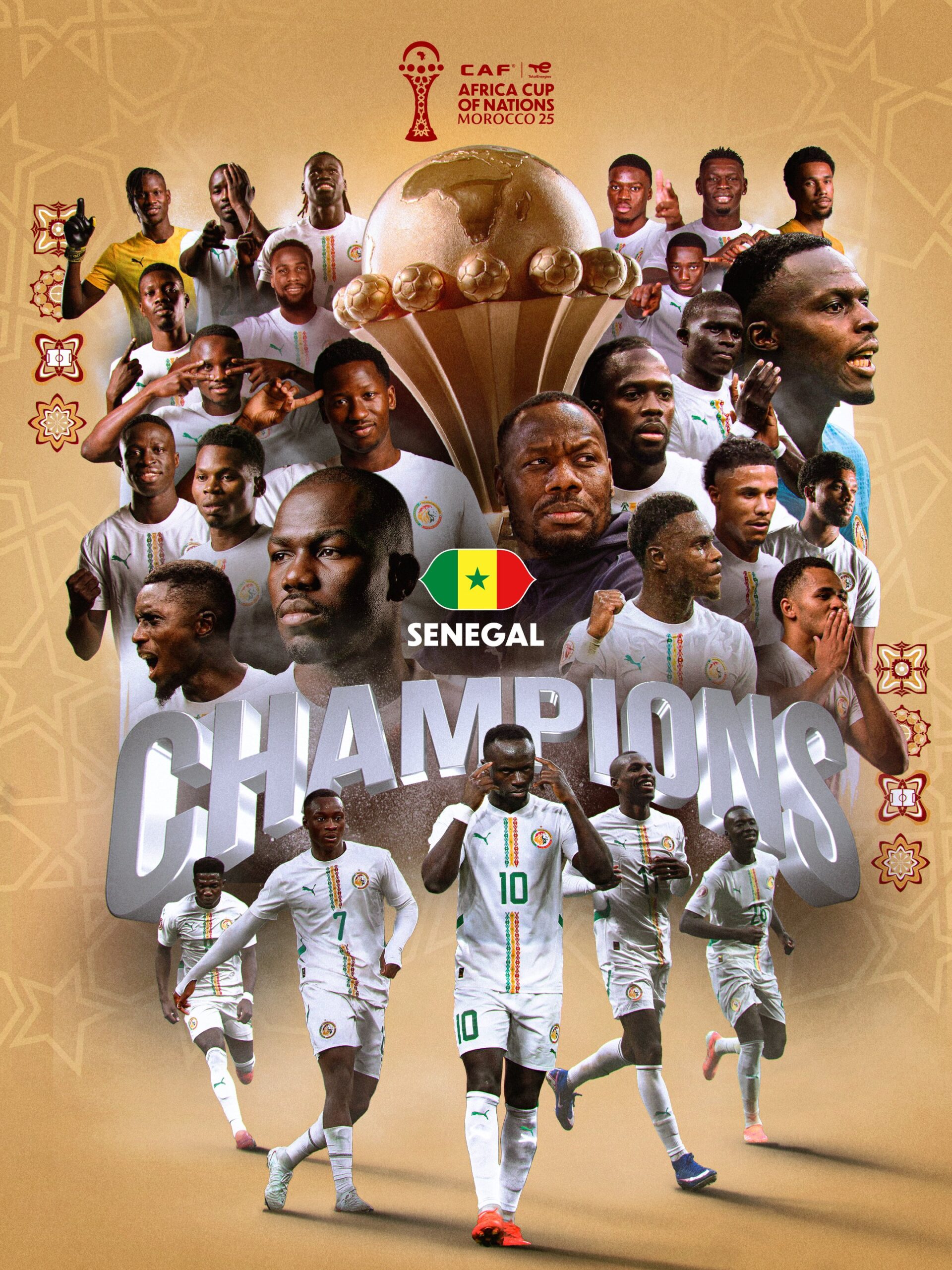
AFCON 2025: Fixtures, Results, Scores and Standings
Jan 18, 2026 -

Leadership and long-term vision key to rescuing Zamalek and inspiring Egyptian football – Hany Abou Rida
Nov 5, 2025 -

South African giants Orlando Pirates set to lose influential forward Monnapule Saleng
Mar 19, 2025 -

Full schedule for 2025 Africa Cup of Nations in Morocco confirmed
Feb 12, 2025
-

LIVE UPDATES: D.R Congo 1-0 Jamaica – 2026 FIFA World Cup Playoffs
Mar 31, 2026 -
Cameroon defeat China 2-0 in FIFA Series clash
Mar 31, 2026 -

Africa’s 2026 World Cup Teams: Fixtures and Results for March friendly games
Apr 1, 2026 -

Zimbabwe defender Teenage Hadebe dropped after code of conduct breach
Mar 30, 2026