AFCON
African Coaches
Africans Abroad
Africans Born Abroad
COSAFA
Features & Interviews
Latest News
Morocco
Senegal
South Africa
UNAF
Women
Morocco pulls out as WAFCON 2026 host amid AFCON final fallout
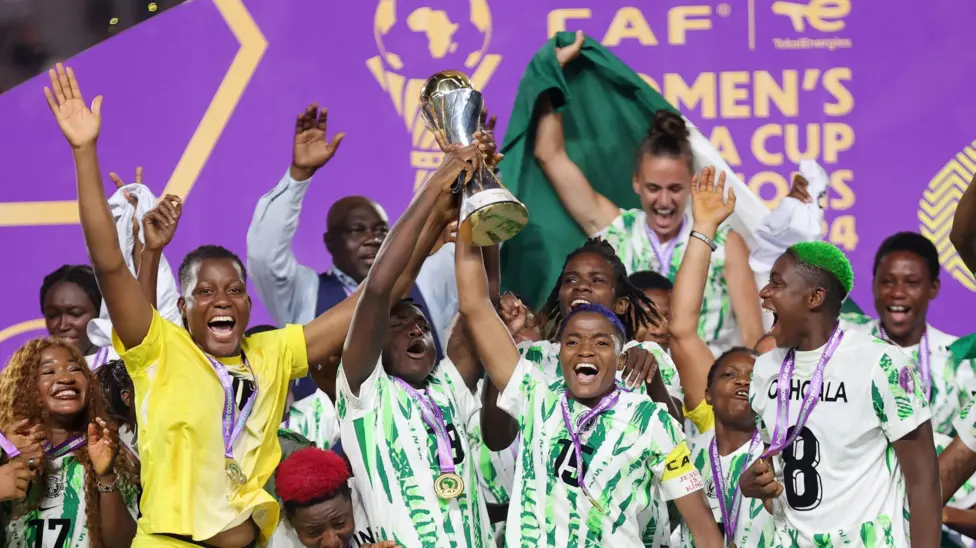
Morocco has unexpectedly withdrawn as hosts of the 2026 Women’s Africa Cup of Nations (WAFCON), a dramatic decision that comes barely two months before the tournament is due to begin and in the wake of bitter recriminations following the chaotic 2025 Africa Cup of Nations final.
South Africa was confirmed as the replacement host on Sunday night, with the announcement made by the country’s Deputy Minister of Sport, Arts and Culture, Peace Mabe, during the Super League Awards ceremony in Johannesburg.
“Tonight I would like to announce that South Africa will be hosting the 2026 WAFCON, which we all know is a qualifying tournament for the 2027 Women’s World Cup in Brazil,” Mabe said.
While no formal explanation has been issued by the Moroccan authorities, the withdrawal follows weeks of intense public anger and political debate inside the country after Morocco’s 1-0 defeat to Senegal in the AFCON final in Rabat – a match that descended into disorder and left a lasting scar on the tournament.
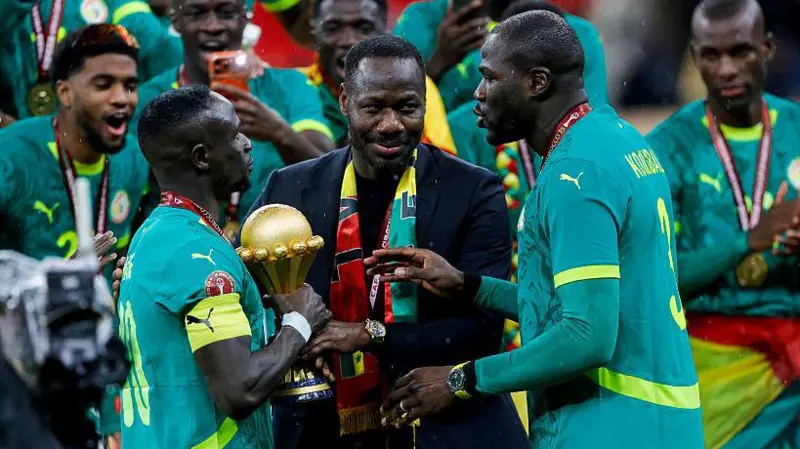
That final, played just weeks ago, was marred by protests, a temporary walk-off by Senegal’s players, confrontations involving supporters, and a series of disciplinary sanctions issued by the Confederation of African Football (CAF).
Although Senegal emerged as champions, the scenes overshadowed what was intended to be a showcase event for African football, hosted at Morocco’s expense and under its organisational leadership.
In the aftermath, emotions in Morocco ran high. Public discourse, both online and offline, became increasingly heated, with many Moroccan citizens openly questioning the country’s continued role as a host of major CAF competitions.
Calls grew louder for Morocco to withdraw from hosting WAFCON 2026, with critics arguing that the country had become the target of relentless accusations despite its heavy financial and logistical investment in African football.
Others across the continent, however, accused Morocco of reacting poorly to defeat, branding the withdrawal as the act of a “bad loser” still smarting from the AFCON final loss to Senegal.
That narrative gained traction as CAF rejected a bid by the Moroccan Football Federation to have the AFCON final result overturned, reinforcing the sense that Morocco had been left isolated after the controversy.
From the Moroccan perspective, the anger has been fuelled by a belief that its commitment to African football has not been adequately recognised. In recent years, Morocco has hosted multiple major CAF competitions, investing heavily in stadiums, training facilities, logistics and security – often at significant national cost.
Within Morocco, there is a growing sentiment that instead of appreciation, the country has faced sustained criticism, scrutiny and blame whenever controversy arises.
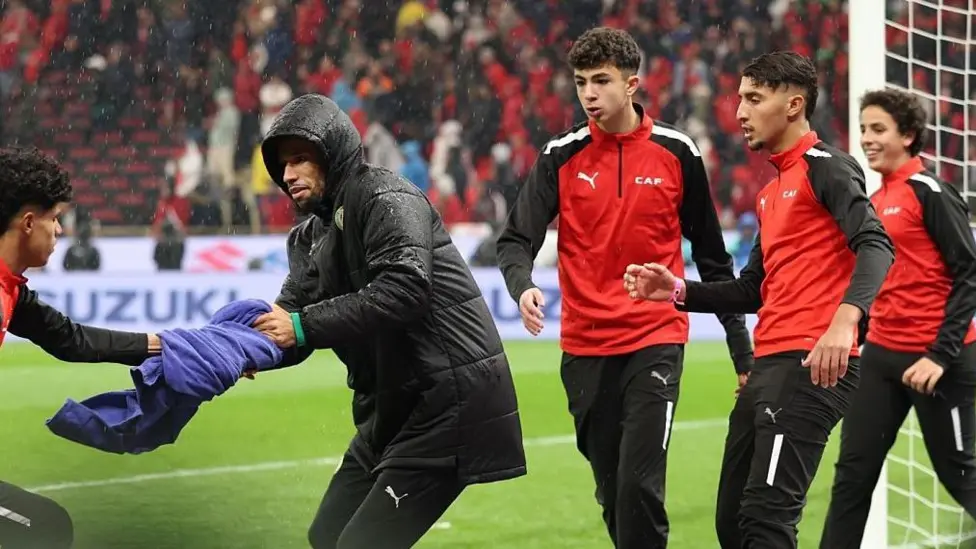
Those feelings were amplified after the AFCON final, when sanctions were handed down not only to Senegalese officials and players but also to Moroccan ball boys, supporters and federation officials.
While CAF insisted the penalties were applied in line with its disciplinary code, the episode intensified perceptions within Morocco that hosting tournaments had become more liability than honour.
Against that backdrop, Morocco’s withdrawal from WAFCON 2026 is widely seen as the culmination of mounting frustration rather than an isolated decision.
The timing – just 60 days before the tournament is scheduled to kick off – underscores the depth of the breakdown between public sentiment, national pride and continental football politics.
For CAF, the decision created an urgent crisis. The Women’s Africa Cup of Nations has expanded to 16 teams and serves as a qualifying pathway for the 2027 Women’s World Cup in Brazil, making organisational stability critical.
South Africa’s swift confirmation as hosts has helped avert disruption, but the sudden switch places enormous pressure on the new hosts to deliver on short notice.
South Africa, winners of the tournament in 2022, now inherit both opportunity and responsibility. The country has proven infrastructure and recent experience hosting elite women’s football, but the late change leaves little margin for error.
The episode also highlights broader tensions within African football governance, where hosting major tournaments has become increasingly politicised.
Morocco’s exit raises uncomfortable questions about the sustainability of CAF’s reliance on a small group of willing host nations – and what happens when goodwill erodes.
CAF is yet to comment publicly on Morocco’s withdrawal or on the circumstances surrounding it.
However, with the tournament dates already fixed and qualification pathways at stake, the focus has shifted firmly to South Africa’s ability to stabilise the situation and ensure that WAFCON 2026 proceeds as planned.
Behind the scenes, though, Morocco’s shock decision has laid bare the emotional and political cost of hosting continental competitions – especially when pride, pressure and perception collide on African football’s biggest stages.
Popular News




-

AFCON 2025: Fixtures, Results, Scores and Standings
Jan 18, 2026 -

Leadership and long-term vision key to rescuing Zamalek and inspiring Egyptian football – Hany Abou Rida
Nov 5, 2025 -

South African giants Orlando Pirates set to lose influential forward Monnapule Saleng
Mar 19, 2025 -

Full schedule for 2025 Africa Cup of Nations in Morocco confirmed
Feb 12, 2025

-

LIVE UPDATES: D.R Congo 1-0 Jamaica – 2026 FIFA World Cup Playoffs
Mar 31, 2026 -

Africa’s 2026 World Cup Teams: Fixtures and Results for March friendly games
Apr 1, 2026 -

DR Congo declares national holiday after 2026 World Cup qualification
Apr 1, 2026 -

Emotional return: DR Congo back on world stage after 52 years
Apr 1, 2026