Morocco coach brands Senegal walk-off ‘shameful’ after AFCON final chaos
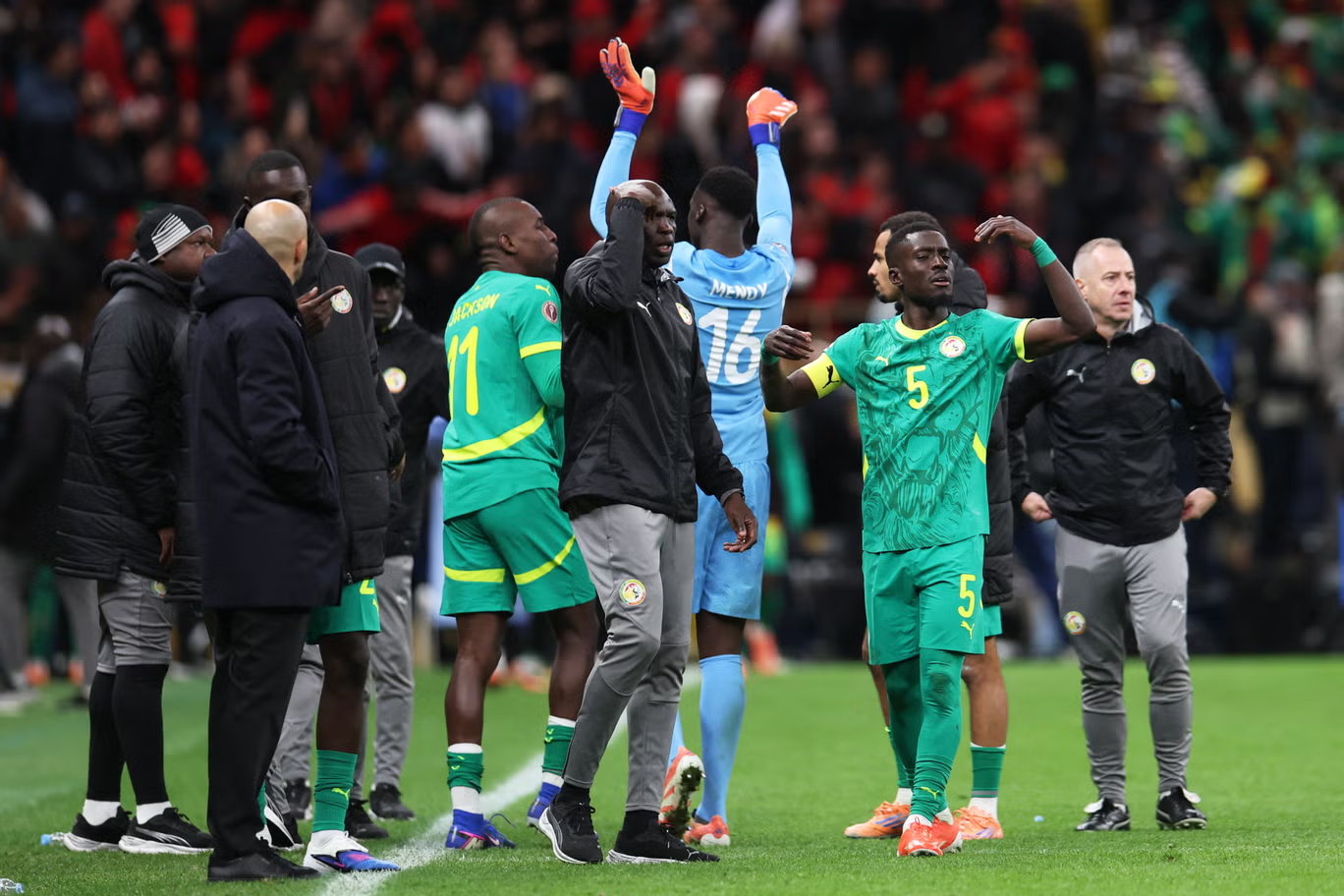
Morocco head coach Walid Regragui criticised Senegal counterpart Pape Thiaw for leading his players off the pitch during a dramatic and controversial ending to the Africa Cup of Nations final, describing the protest as “shameful”.
The incident unfolded deep into stoppage time when Morocco were awarded a late penalty, a decision that infuriated the Senegal bench and players.
Convinced they had been wronged, Thiaw instructed his side to leave the field and return to the dressing room, halting play and plunging the final into confusion.
The delay lasted around 15 minutes, with tensions high inside the stadium. While Senegal’s players initially followed their coach, forward Sadio Mane remained on the pitch and later played a decisive role in persuading his team-mates to return and allow the match to continue.
Once play resumed, Senegal goalkeeper Edouard Mendy saved Brahim Diaz’s attempted ‘Panenka’ penalty, a pivotal moment that shifted the momentum of the final.
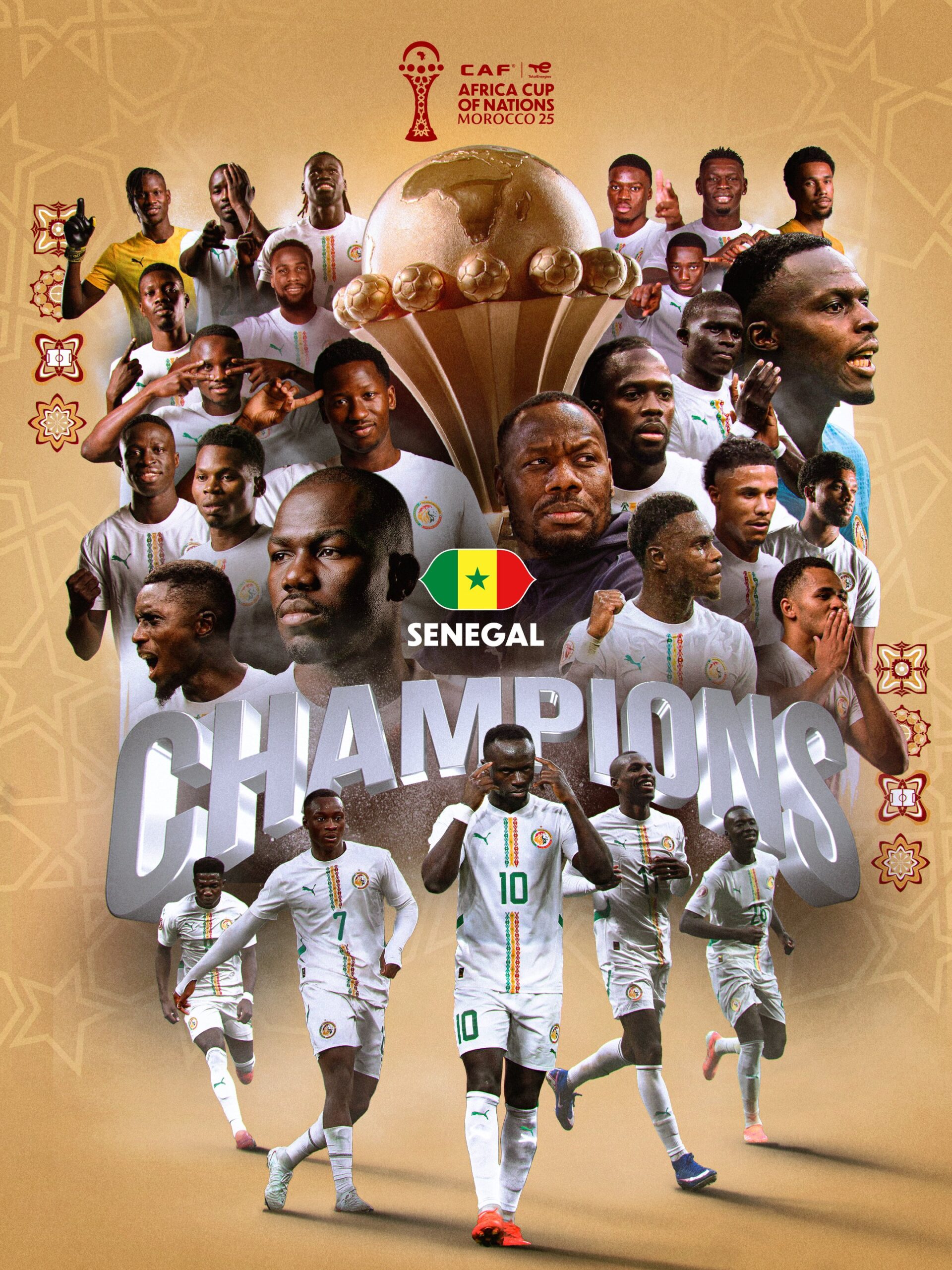
Despite the disruption, Senegal went on to secure their second Africa Cup of Nations title when Pape Gueye scored the decisive goal in extra time.
However, the manner of the protest and the extended stoppage overshadowed the climax of the tournament.
Regragui did not hold back in his assessment of events, arguing that the incident reflected badly on African football.
“The image we’ve given of Africa is shameful,” Regragui said during his post-match press conference. “A coach who asks his players to leave the field… What Pape did does not honour Africa. He wasn’t classy. But he is a champion, so he can say whatever he wants.”
The comments added another layer of tension to an already volatile occasion, with Senegal’s actions likely to draw disciplinary scrutiny from tournament organisers.
Thiaw was jeered as he entered his own post-match press conference in Rabat, but later acknowledged that his reaction had been misplaced and offered an apology.
“I apologise for football,” Thiaw said in a later interview with BeIN Sport. “After reflection, I had them come back.
Sometimes, you can react in the heat of the moment. We shouldn’t have done it but it’s done and now we present our apologies to football.”
The final, meant to celebrate the pinnacle of African football, will now be remembered as much for its controversy as for Senegal’s triumph, with debate continuing over how the sport’s biggest moments should be handled when emotions and stakes are at their highest.
Popular News



-
AFCON 2025: Fixtures, Results, Scores and Standings
Jan 18, 2026 -

Leadership and long-term vision key to rescuing Zamalek and inspiring Egyptian football – Hany Abou Rida
Nov 5, 2025 -

South African giants Orlando Pirates set to lose influential forward Monnapule Saleng
Mar 19, 2025 -

Full schedule for 2025 Africa Cup of Nations in Morocco confirmed
Feb 12, 2025
-
LIVE UPDATES: D.R Congo 1-0 Jamaica – 2026 FIFA World Cup Playoffs
Mar 31, 2026 -
Cameroon defeat China 2-0 in FIFA Series clash
Mar 31, 2026 -

Africa’s 2026 World Cup Teams: Fixtures and Results for March friendly games
Apr 1, 2026 -

Zimbabwe defender Teenage Hadebe dropped after code of conduct breach
Mar 30, 2026