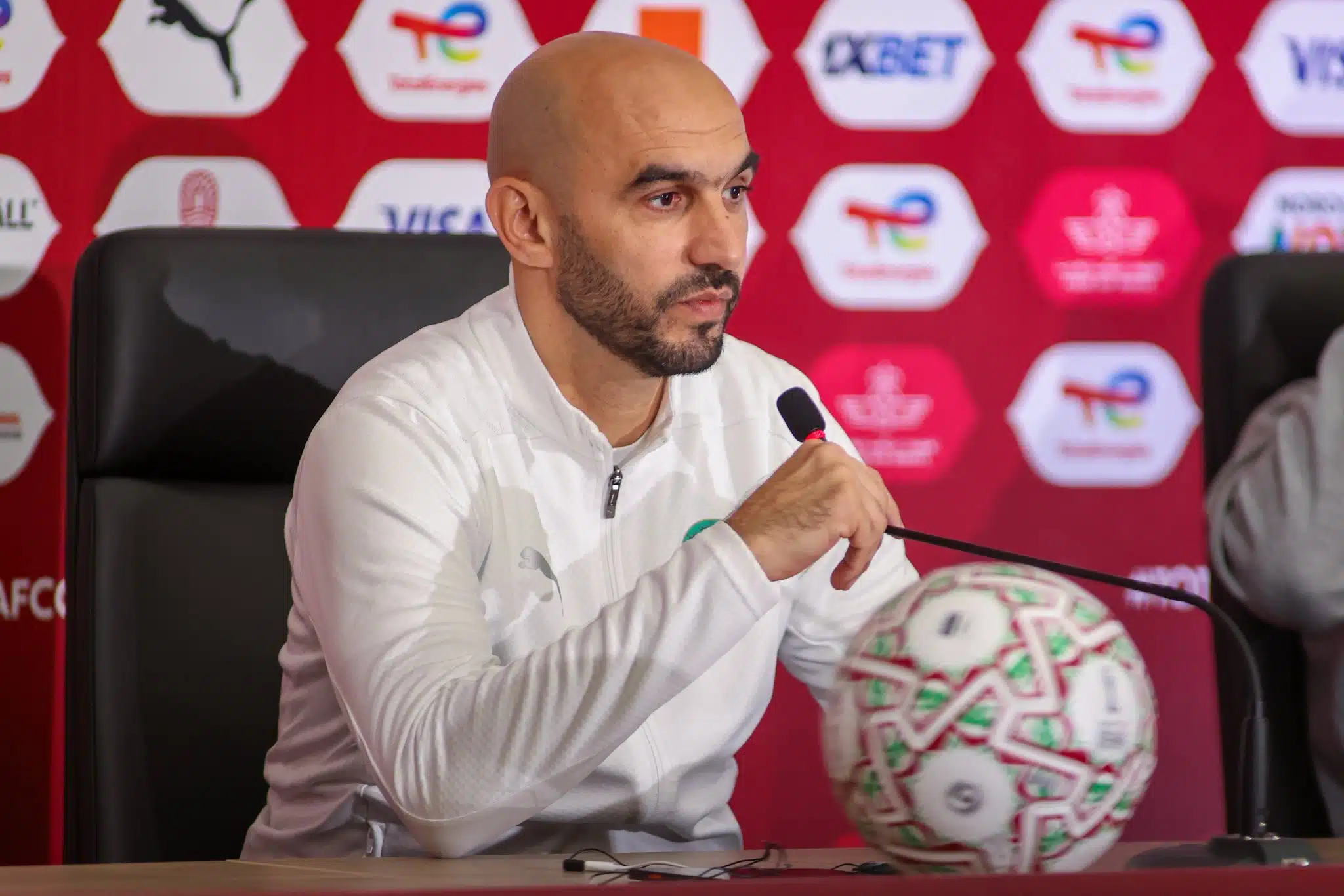
Marouane Chamakh sheds light on Bensebaini, Adli and Slimani in candid podcast discussion
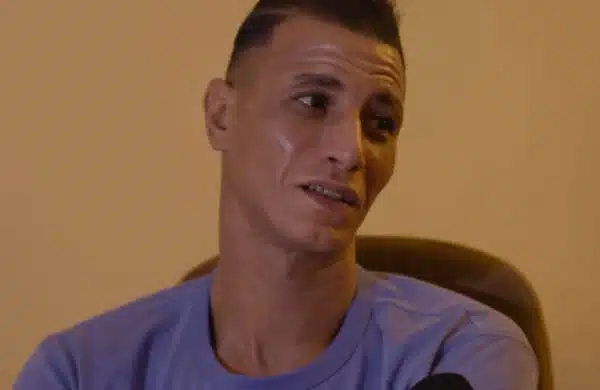
Marouane Chamakh discusses several high-profile issues involving Algerian footballers and dual-nationality players during an appearance on the Kampo podcast hosted by Smaïl Bouabdellah.
The former Morocco and Arsenal forward recounts personal memories, reacts to ongoing debates, and offers insight into the challenges facing North African players in Europe.
He begins with Ramy Bensebaini, recalling their meeting during the defender’s trial at Arsenal.
Chamakh speaks with humour and nostalgia, describing how he invited the young Algerian to his home for Friday couscous, a tradition he kept during his time in London.
He says the gesture came naturally, adding that North African players created a quiet but important bond regardless of national rivalry.
Chamakh then turns to Yacine Adli, who publicly declared nearly two years ago that he wanted to represent France rather than Algeria.
He applauds Adli for showing clarity and honesty, saying the AC Milan midfielder acted with more directness than some other players in similar situations.
Chamakh notes that Adli faced criticism, but he values the midfielder’s refusal to play what he calls a “double game.”
The conversation shifts to Islam Slimani’s recent remarks about dual-nationality players. Slimani questioned why footballers who grew up entirely in France choose to play for Algeria.
Chamakh says he understands Slimani’s frustration and recognises the emotional charge behind those comments.
He respects Slimani’s career and values his strong attachment to the Algerian national team.
He admits that he would feel similar frustration in that situation, stressing that values and identity matter deeply to many North African players.
Chamakh’s comments add nuance to a sensitive topic Algeria continues to navigate as it seeks clarity on its approach to dual-nationality footballers.
His memories, experiences and measured reflections bring warmth and balance to a debate that often sparks strong reactions across the Maghreb.
Popular News



-
AFCON 2025: Fixtures, Results, Scores and Standings
Jan 18, 2026 -

Leadership and long-term vision key to rescuing Zamalek and inspiring Egyptian football – Hany Abou Rida
Nov 5, 2025 -

South African giants Orlando Pirates set to lose influential forward Monnapule Saleng
Mar 19, 2025 -

Full schedule for 2025 Africa Cup of Nations in Morocco confirmed
Feb 12, 2025
-

10 most handsome African footballers on 2026
Apr 2, 2026 -
Ex-Morocco coach Walid Regragui not interested in vacant Ghana coaching job
Apr 2, 2026 -

Major blow: Algerian international Youcef Belaïli hit with one-year ban by FIFA
Apr 2, 2026 -
FEATURE: Why Nigeria failed to qualify for the 2026 FIFA World Cup
Apr 2, 2026