
Marcel Desailly: Ghana’s failed coach, the revelation!
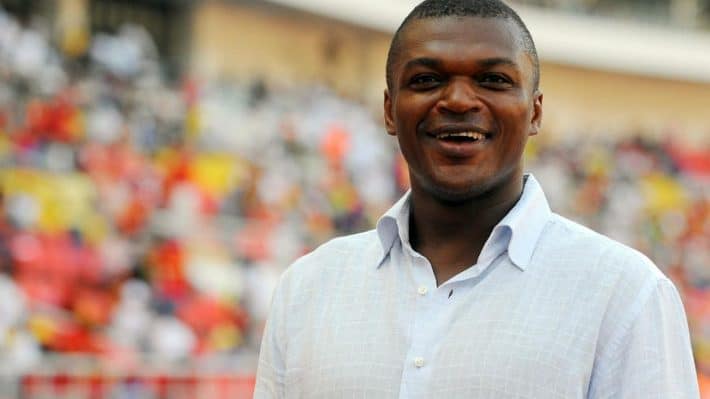
Despite a celebrated international career with France, Marcel Desailly continues to hold a special place in Ghana, his country of birth, and remains a respected figure in African football circles. Over the years, his name has been repeatedly suggested as a potential candidate to take the reins of the Ghanaian national team, the Black Stars, reflecting both his expertise and his enduring connection to the nation.
On Thursday, Desailly met with Kurt Okraku, president of the Ghana Football Association (GFA). According to the GFA’s official website, this meeting highlighted past opportunities that Desailly had to lead the Black Stars but did not materialize. During Okraku’s tenure as his agent, the former AC Milan defender was twice close to assuming the national team role, yet the appointments did not come to fruition. The meeting appears to have been both a courtesy visit and an opportunity to discuss his potential involvement with Ghanaian football in the future.
Since hanging up his boots, Desailly has primarily focused on his work as a television pundit, where his deep tactical understanding and analytical insights have made him a respected voice in football commentary. In addition to media work, he has been linked with several national teams over the years, though none of these opportunities have resulted in a managerial role. Despite this, his experience at the highest levels of European and international football keeps him in consideration for prominent positions, particularly within Ghana.
Desailly also maintains a strong presence in Ghana off the pitch. He owns the Lizzy Sports Complex, a facility dedicated to sports development, which reflects his ongoing commitment to nurturing talent and supporting football infrastructure in the country. His investments and contributions to Ghanaian football culture suggest that he will remain closely connected to the sport domestically, and any vacancy in the Black Stars’ coaching position will likely reignite discussions about his potential appointment.
For now, Ghana’s national team continues under the guidance of Charles Akunnor, who is preparing for his first competitive matches next month. While Akunnor builds his plans for the Black Stars, Desailly’s reputation, experience, and local ties ensure that he remains a figure of interest should the coaching situation change. His blend of international success, tactical knowledge, and personal investment in Ghanaian football positions him as a viable candidate whenever the opportunity arises.
Marcel Desailly’s story illustrates how global football careers can maintain strong local ties. Despite achieving fame and success abroad, his commitment to Ghana remains evident through his sports initiatives and ongoing engagement with the football community. Should a managerial opening occur, it is likely that Desailly’s name will once again surface, combining his prestige with a genuine connection to the nation he left as a child but has never forgotten.
Popular News

-
Gianni Infantino joins Donald Trump’s inaugural ‘Peace Council’ as sole Sports representative
Feb 19, 2026 -

Young Mali midfielder Nouhoum Kamissoko targets breakthrough at Marseille
Feb 19, 2026 -
“Every match is SOLD OUT,” says Gianni Infantino as 2026 World Cup draws 508 million ticket requests
Feb 19, 2026 -
CAF EXCO member Samir Sabha calls for immediate resignation of General Secretary Veron Mosengo-Omba over ‘illegal’ mandate
Feb 19, 2026
-
BREAKING: FIFA World Cup 2026 final draw confirmed for December 5 in Washington, D.C.
Aug 22, 2025 -
Gabon legend Pierre-Emerick Aubameyang re-joins Olympique Marseille
Jul 31, 2025 -

FC St. Pauli eye move to sign Malian forward Lassine Sinayoko
Jul 31, 2025 -
Liverpool plotting to bid £120 million to sign Swedish-Eritrean striker Alexander Isak
Jul 31, 2025