
Manchester United: Solskjaer’s reasons for managing Eric Bailly
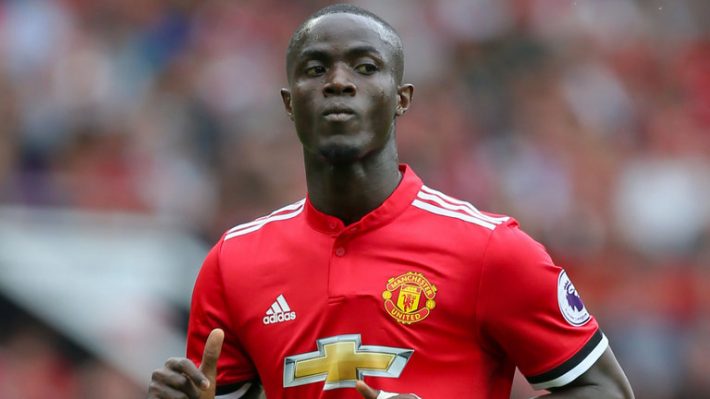
After a long spell on the sidelines due to a knee injury sustained on July 25, 2019, Eric Bailly finally made his return to action on February 17, and delivered a strong performance in Manchester United’s clash against Chelsea. The Ivorian centre‑back looked sharp against a tough opponent, giving fans a glimpse of the quality that has long made him one of United’s most combative defenders.
However, despite that impressive showing, Bailly has largely disappeared from matchday lineups since then, leading to questions about his role and fitness. After facing Chelsea, United played two fixtures in quick succession, and the notable absence of Bailly from the starting XI raised eyebrows — especially given how well he had looked in only his second appearance of the season.
United manager Ole Gunnar Solskjær has sought to address these concerns by emphasizing that his approach to Bailly’s return is one of careful management. Speaking to the club’s official television channel, Solskjær explained his decision not to rush the defender back into regular action.
“Eric was fantastic at Chelsea, but we need to manage him properly and then give him time to recover in between,” the Norwegian stated. He also underlined the positive impact Bailly’s recovery has had on the squad, adding, “It’s a big boost for us to have Eric back.”
Solskjær’s comments make it clear that United are prioritizing Bailly’s long‑term fitness over immediate involvement, seeking to protect him from the risk of a relapse after a prolonged rehabilitation period. Given the physical demands of Premier League football and Bailly’s history of injuries, this cautious approach appears aimed at ensuring that when he does return, he can stay fit and contribute consistently.
Looking ahead, there is optimism that Bailly will be involved once again soon. He is a strong candidate to start in Thursday’s Europa League round of 32 second leg against Club Brugge KV, where Solskjær may see an opportunity to give him valuable minutes in a competitive but slightly less physically demanding setting than the Premier League.
For Bailly himself, the next appearances will be important not just for rebuilding match sharpness, but also for reaffirming his place in a Manchester United squad that has evolved in his absence. If he can stay fit and perform with the same energy he showed against Chelsea, he could become a key defensive figure again for the Red Devils as they pursue success in both domestic and European competitions.
In summary, although doubts persisted after his post‑Chelsea absence, Solskjær’s explanation highlights a deliberate and patient strategy to protect Bailly’s recovery and maximize his long‑term impact for Manchester United.
Popular News

-
Gianni Infantino joins Donald Trump’s inaugural ‘Peace Council’ as sole Sports representative
Feb 19, 2026 -

Young Mali midfielder Nouhoum Kamissoko targets breakthrough at Marseille
Feb 19, 2026 -
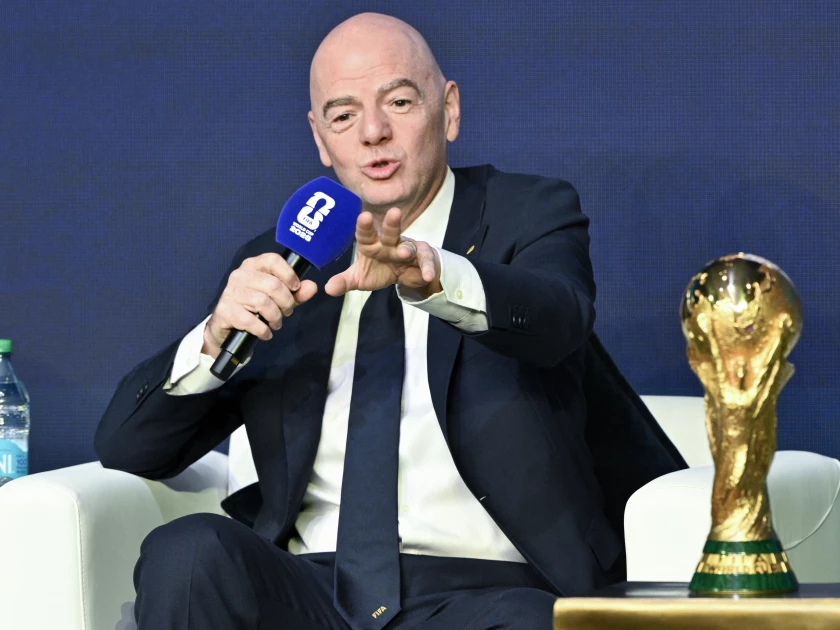
“Every match is SOLD OUT,” says Gianni Infantino as 2026 World Cup draws 508 million ticket requests
Feb 19, 2026 -
CAF EXCO member Samir Sabha calls for immediate resignation of General Secretary Veron Mosengo-Omba over ‘illegal’ mandate
Feb 19, 2026
-
BREAKING: FIFA World Cup 2026 final draw confirmed for December 5 in Washington, D.C.
Aug 22, 2025 -

Gabon legend Pierre-Emerick Aubameyang re-joins Olympique Marseille
Jul 31, 2025 -

FC St. Pauli eye move to sign Malian forward Lassine Sinayoko
Jul 31, 2025 -

Liverpool plotting to bid £120 million to sign Swedish-Eritrean striker Alexander Isak
Jul 31, 2025