
Hubert Velud reflects on AFCON controversy and Comoros future
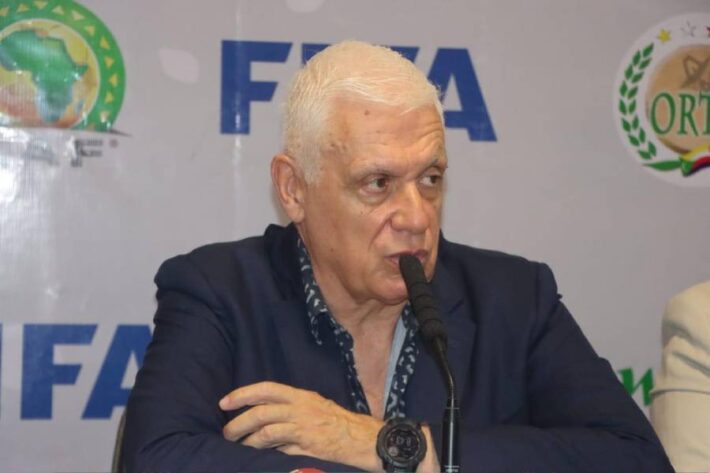
Hubert Velud says he is “starting from scratch” as he begins his tenure as Comoros head coach, outlining a long-term rebuilding project for the national team.
In an interview, the 66-year-old detailed his vision for a squad undergoing transition, with several experienced players having departed and a new generation emerging.
“ There’s a new project. We’re starting from scratch, meaning there’s a generation that’s left, a generation of veterans. They’d been there for a very long time, and there are five or six veterans who are no longer with us, and there’s an emerging generation. A generation of young players with strong potential. So, there’s something to build for the long term. That’s really what convinced me, and also the mentality, the mindset of the people there [in the Comoros], really very positive, very welcoming people, and people who want to build something for the long term. ”
Velud confirmed that his contract does not include an immediate requirement to qualify for a major tournament, but he identified the upcoming Africa Cup of Nations qualifiers as a key target.
“ No! ”
Looking ahead to this month’s fixtures, he described the scheduled friendlies as an opportunity to lay the foundations for his project.
“ These two matches are interesting because the qualifiers for the next Africa Cup of Nations are coming up very soon, in September. So that’s the main objective of my mission: to qualify for this AFCON. In fact, there will be two training camps before September, that is, at the end of March, the two friendly matches you mentioned, and we also hope to have another camp in June. So, two camps before September is very interesting, and I’ll be able to work on the playing principles right away, but also perhaps get to know the players, of course, and also emphasize team spirit. Forming a group, building a group, we could say, a new group, I repeat, which has been quite renewed. So, a lot of work ahead, and also getting to know some players I might not know quite as well. ”
Reflecting on the team’s recent trajectory, Velud acknowledged progress but insisted there was still room for development.
“ That’s one of the reasons I came as well. The upward trajectory is undeniably positive. However, there’s still work and progress to be made. I come with a spirit of progress, to help this nation advance through a younger generation. ”
He also assessed Comoros’ performance at the last Africa Cup of Nations, suggesting they fell just short of reaching the knockout stages.
“ I think Comoros’ last AFCON wasn’t bad, but what they perhaps lacked was a win against Zambia. It was doable, that’s the thing. They were two points short of reaching the round of 16, which is a shame, but it wasn’t bad nonetheless. ”
Velud highlighted the need to expand the player pool, particularly by identifying talent within Africa and locally.
“ For now, the presence of local players in the Comoros national team is practically nonexistent, so I intend to develop this aspect, explore, and potentially identify interesting local players, often those already playing in Africa. So, identifying Comorian talent in Africa is part of my work, as well as in the Comoros. It’s something I plan to develop further. ”
Drawing on his experience across the continent, he pointed to growing momentum in East African football.
“ What I can see is that the nations that make up COSAFA are making progress. Sudan is progressing, Tanzania is progressing, the whole East African region there. The Comoros are progressing; there’s a real momentum in this part of East Africa. So yes, there’s real momentum and also a lot of enthusiasm for football. We can see that with the 2027 Africa Cup of Nations, the next tournament which will be co-hosted by three East African countries: Tanzania, Kenya, and Uganda. So that demonstrates real momentum. ”
Comparing his previous role with Burkina Faso, Velud emphasised the different demands of rebuilding a developing side.
“ It’s very different. In Burkina Faso, it’s true that the team was somewhat short-sighted, meaning that the main focus was on managing the present. I think that in the Comoros, it’s a completely different kind of work; you have to build for the future. It’s a different kind of work, perhaps more in-depth and also more focused on identifying talent and developing the team’s potential. So it’s true that it’s different. In Burkina Faso, we were more focused on management than on building something from scratch. ”
He also spoke about fostering a winning mentality, stressing the importance of collective strength.
“ I believe that this culture is primarily instilled through group dynamics. In my view, a national team isn’t necessarily composed of the best players in the country, but rather a group. It’s also a group that’s balanced in its composition and a true team. This is especially true for nations that aren’t at the forefront of African football. It’s necessary to compensate with a very strong group dynamic, a very strong sense of solidarity, to perhaps make up for any technical or tactical shortcomings. But I think that with this mindset—a certain mindset—which I intend to firmly establish, we can achieve great things. ”
Addressing controversy surrounding the last Africa Cup of Nations, Velud expressed concern over the impact on the game’s image.
“ I’m truly confused and sorry about what happened in the final of the last AFCON in Morocco. What I can say is that I participated in the AFCON in Ivory Coast, the one that took place just before the one in Morocco. And there, I saw a lot of progress in the organization. In Ivory Coast, it was a very well-organized AFCON where there were no problems with the refereeing, where there was a certain rigor in the organization. But in Morocco as well, the progress was confirmed in the organization since the AFCON was well organized overall.
And it’s true that the incidents during the final have tarnished everything. In recent years – since I experienced the 2010 [AFCON Angola 2010], I witnessed the attack with Togo in Cabinda – there has been enormous progress in the overall organization of the AFCON tournaments. And what’s unfortunate is that it has undermined the positive momentum that had been building in the organization.
It’s true that, from an image standpoint, what happened at the last AFCON was really bad. But in a way, I also think it will make everyone realize that this must never happen again. There will be a general awakening of awareness, I hope.
The credibility of African football is at stake. In any case, things need to calm down. Whether it’s refereeing or organization, there needs to be a lot of rigor. Because now, from a sporting perspective, the Africa Cup of Nations tournaments are becoming increasingly interesting. They’re high-level matches, they’re a spectacle, they’re truly captivating. We’ve made great tactical and technical progress in Africa with our national teams to play top-level football. So, everything else absolutely has to follow suit. ”
Popular News




-
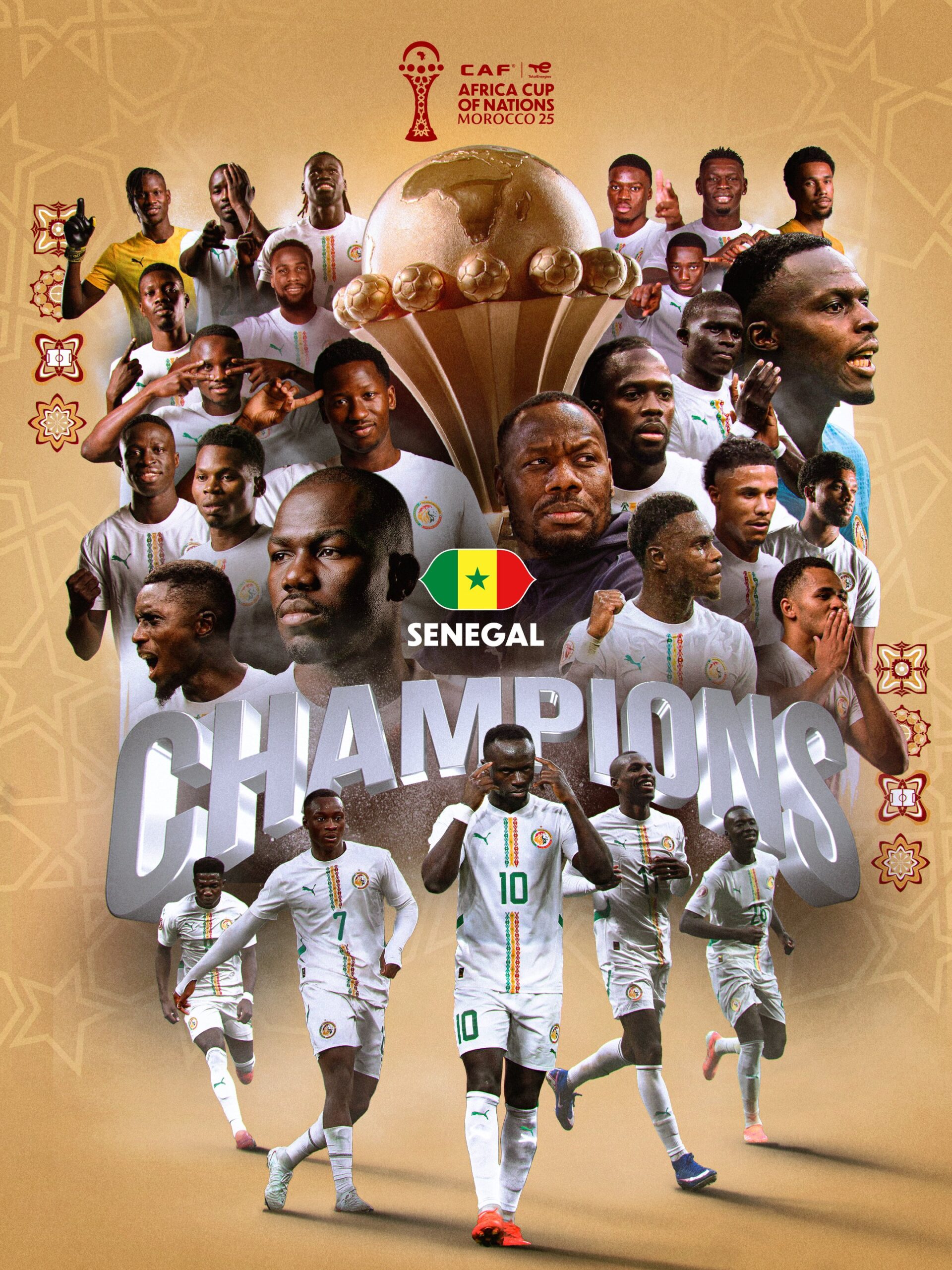
AFCON 2025: Fixtures, Results, Scores and Standings
Jan 18, 2026 -

Leadership and long-term vision key to rescuing Zamalek and inspiring Egyptian football – Hany Abou Rida
Nov 5, 2025 -

South African giants Orlando Pirates set to lose influential forward Monnapule Saleng
Mar 19, 2025 -

Full schedule for 2025 Africa Cup of Nations in Morocco confirmed
Feb 12, 2025
-
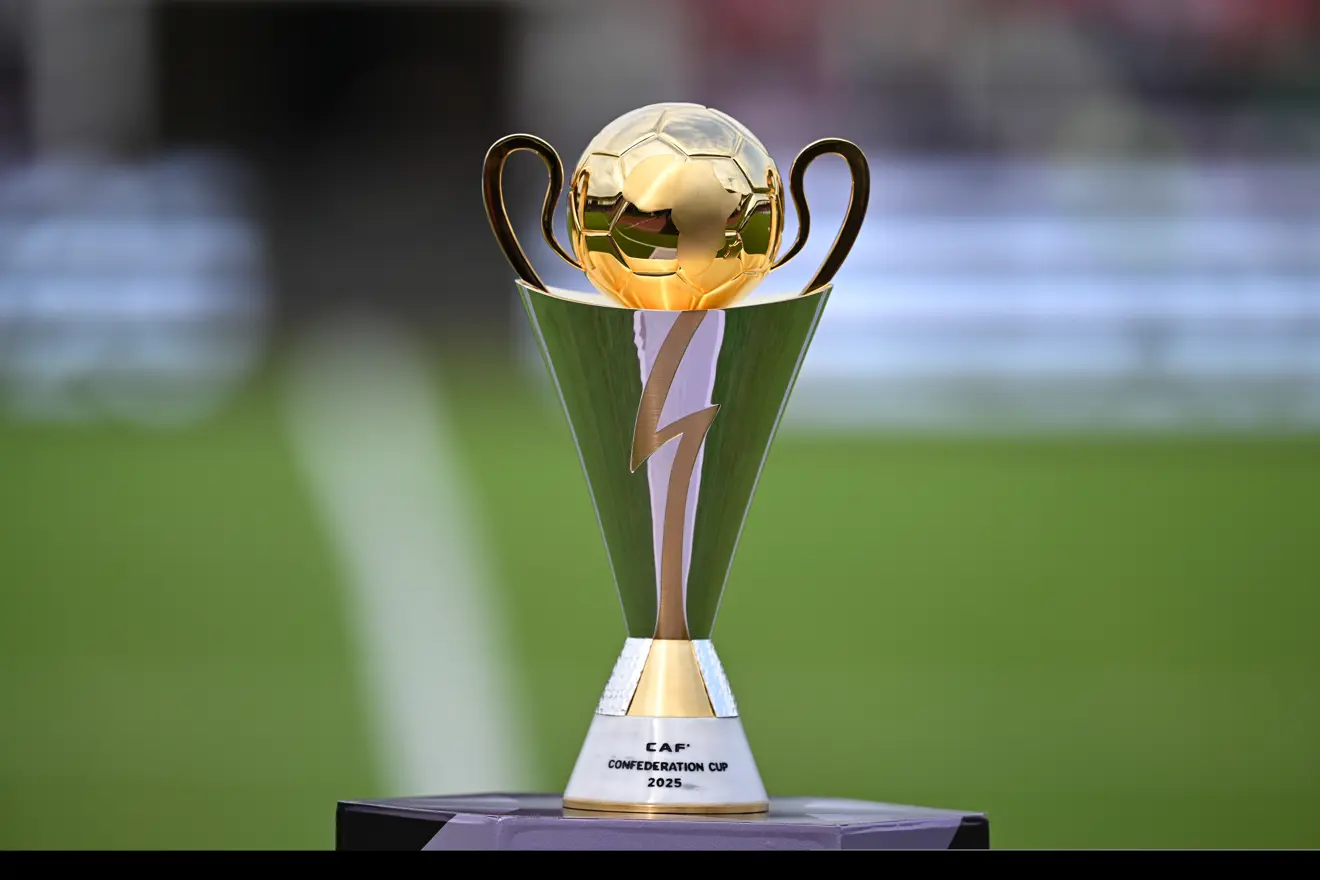
2025/26 CAF Confederation Cup: Fixtures, Results, Tables and Standings
Mar 21, 2026 -

2025/26 CAF Champions League: Fixtures, Results, Tables and Standings
Mar 21, 2026 -
Guinea seeks review of 1976 AFCON title after CAF’s decision to strip Senegal of title
Mar 20, 2026 -

Wayne Rooney labels South Africa 2010 ‘worst World Cup’ in history
Mar 19, 2026