How FIFA snubbed Nigeria’s complaint over ineligible DR Congo goalkeeper
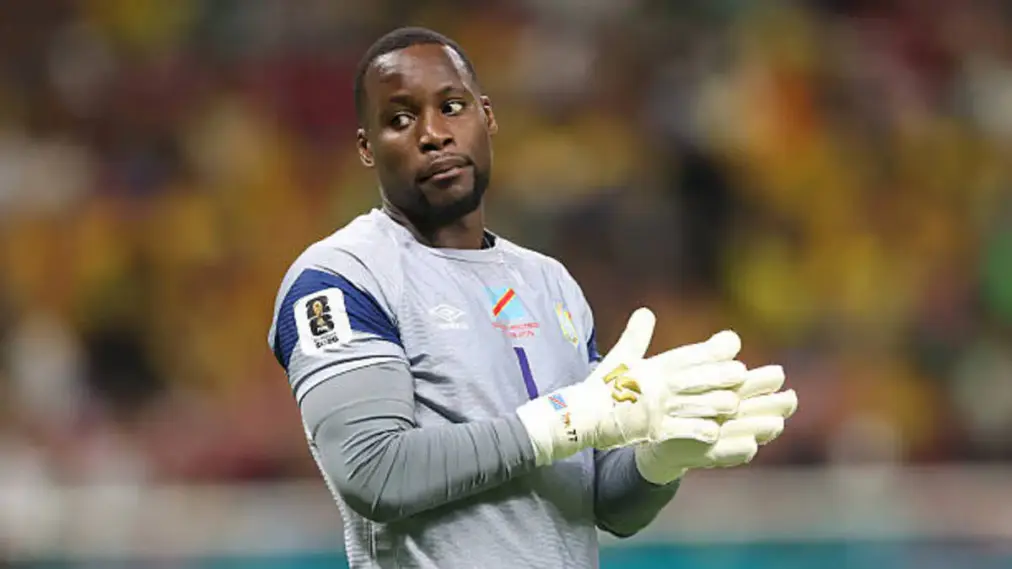
Nigeria’s Super Eagles could have faced Jamaica in the final race for a place at the 2026 FIFA World Cup instead of watching from home, after fresh investigations revealed that FIFA officials knew DR Congo goalkeeper Lionel Mpasi was ineligible when he played in the qualifiers.
The revelations have revived questions over Nigeria’s elimination from the World Cup race and FIFA’s handling of a complaint lodged by the Nigeria Football Federation (NFF) following the Super Eagles’ defeat to DR Congo in November 2025.
Nigeria lost 4-3 on penalties after a 1-1 draw in the African playoff final in Rabat, with Mpasi playing the full 120 minutes before the Leopards advanced to the intercontinental playoff. DR Congo subsequently defeated Jamaica 1-0 to secure qualification for the World Cup, their first appearance at the tournament since 1974.
Mpasi had not completed switch from France
Mpasi, who holds French and Congolese nationality, had represented France at youth level and became tied to the country after appearing in a European Under-17 qualifier against Serbia in 2011.
Although the Congolese federation began the process of changing his international affiliation in 2021, the procedure was never completed, according to FIFA’s legal officials cited in the investigation.
That meant Mpasi had not obtained the necessary approval to represent DR Congo when he featured in several World Cup qualifying matches, including the decisive playoff against Nigeria.
The issue became particularly significant because FIFA’s disciplinary rules provide for sanctions when an ineligible player takes part in a match. Internal legal advice reportedly identified several possible courses of action, including sanctioning DR Congo, declaring matches forfeited and allowing Nigeria to take the Leopards’ place in the intercontinental playoff against Jamaica.
NFF complaint rejected on technical grounds
The NFF had already raised concerns with FIFA over the eligibility of several DR Congo players following Nigeria’s elimination.
The federation submitted its complaint in November 2025, challenging issues surrounding the nationality and passports of players used by the Leopards. However, FIFA ultimately rejected the case on procedural grounds.
According to the investigation, Nigeria followed up with FIFA in March 2026 and was told that its complaint was inadmissible because of formal and deadline-related issues. FIFA maintained that its disciplinary bodies were independent and that they had reached their decision based on the applicable regulations and the specific facts presented in the case.
The subsequent investigation, however, indicates that FIFA officials had independently examined Mpasi’s status and identified an eligibility problem before DR Congo played Jamaica in the intercontinental playoff.
That has raised further questions because FIFA’s own disciplinary code allows its authorities to act on their own initiative in cases involving ineligible players.
Nigeria’s World Cup route could have changed
Had FIFA imposed the sanctions considered by its legal officials, the consequences would have been significant for the Super Eagles.
Nigeria could have been reinstated and given the opportunity to face Jamaica for the final World Cup qualification place. Instead, DR Congo remained in the competition, defeated Jamaica and secured its ticket to the tournament in the United States, Mexico and Canada.
The Leopards went on to compete at the World Cup, with Mpasi featuring during their campaign, including their last-32 meeting with England.
The case has therefore reopened the debate over Nigeria’s absence from the tournament and whether the Super Eagles were denied an opportunity to qualify because FIFA chose not to act despite concerns raised internally.
It also places FIFA’s handling of player eligibility under renewed scrutiny, particularly because previous cases have resulted in forfeitures when teams fielded players deemed ineligible.
The revelations are likely to intensify calls for greater transparency over how FIFA handles disciplinary complaints, particularly when decisions can determine which national teams reach football’s biggest tournament.
-
 How FIFA snubbed Nigeria’s complaint over ineligible DR Congo goalkeeper Oct 6, 2026
 -
Super Eagles player ratings: Wilfred George Igor shines as Peter Edokpolor, Akor Adams rescue Nigeria against Russia Oct 6, 2026
-
Ibrahim Maza injury doubt for Bayer Leverkusen against Mainz Oct 6, 2026
-
Islam Slimani takes CR Belouizdad dispute to Tribunal arbitral du sport Oct 6, 2026




-
AFCON 2025: Fixtures, Results, Scores and Standings Jan 18, 2026
-
Match hero Taiwo Awoniyi reflects on team effort after Chelsea triumph May 5, 2026
-
Leadership and long-term vision key to rescuing Zamalek and inspiring Egyptian football – Hany Abou Rida Nov 5, 2025
-
South African giants Orlando Pirates set to lose influential forward Monnapule Saleng Mar 19, 2025




-
Croatia face Spain with Nations League hopes on the line in Split Oct 5, 2026
-
France v Belgium: Probable line-ups for Nations League clash Oct 3, 2026
-
AFCON 2027 qualifiers: Manchester United injury crisis deepens as Noussair Mazraoui hobbles off in Morocco win Sep 30, 2026
-
Morocco coach Mohamed Ouahbi refuses to single out player after Mali draw Oct 4, 2026