
Gianni Infantino calls for RED CARD over ‘covered mouth’ incidents in racism crackdown
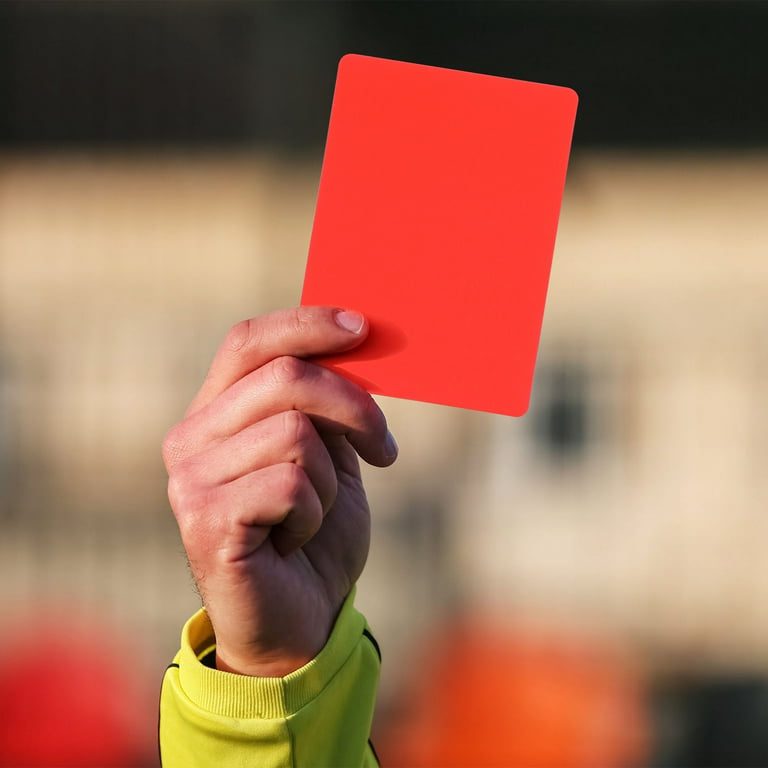
FIFA president Gianni Infantino has proposed a dramatic tightening of football’s laws to combat racism, insisting that players who cover their mouths during confrontations should be sent off if racist abuse is suspected.
Infantino’s strong stance follows the controversial Champions League clash between Real Madrid and Benfica at the Estadio da Luz on February 17, which was halted for 11 minutes after Vinicius Junior reported alleged racial abuse from Benfica’s Gianluca Prestianni.
The incident has reignited debate about how football handles on-field discrimination and the difficulty of proving verbal offences.
Speaking to Sky News, Infantino made clear he wants a presumption of guilt in situations where a player appears to deliberately conceal their words.
“If a player covers his mouth and says something, and this has a racist consequence, then he has to be sent off, obviously,” Mr Infantino said.
“There must be a presumption that he has said something he shouldn’t have said, otherwise he wouldn’t have had to cover his mouth.”
The FIFA boss acknowledged that disciplinary procedures require evidence and due process, particularly with UEFA currently investigating the case and having provisionally suspended Prestianni for the second leg, which Benfica went on to lose. However, he stressed that football must move beyond reactive measures.
“There are situations which we did not foresee,” he said. “Of course, when you deal with a disciplinary case, you have to analyse the situation, you have to have evidence, but we cannot just be satisfied with that going forward.”
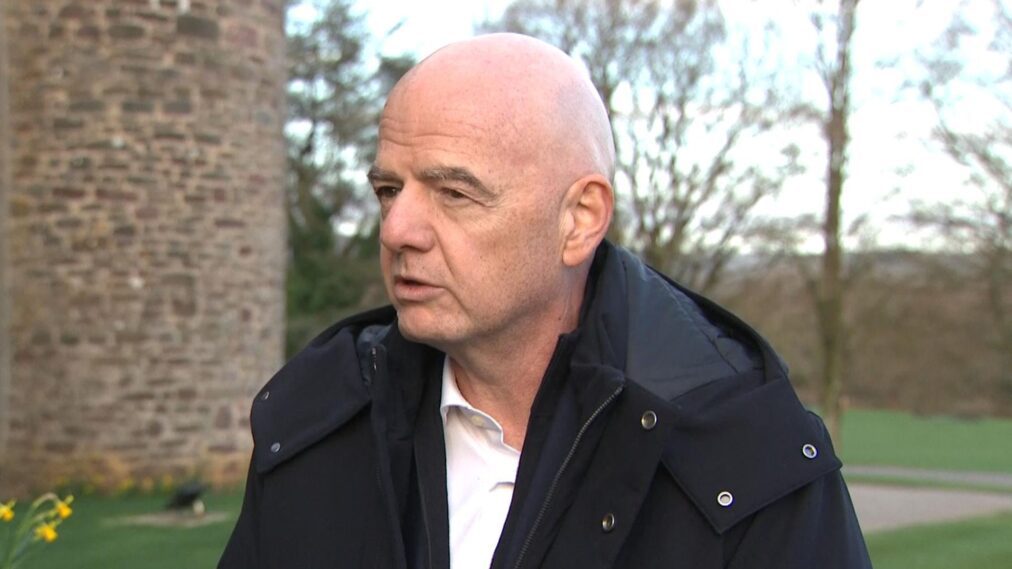
Infantino suggested that the International Football Association Board (IFAB) could move quickly to amend the Laws of the Game by April, paving the way for new regulations to be in place ahead of the World Cup in June.
“I simply do not understand if you don’t have something to hide, you don´t hide your mouth when you say something. That’s it, as simple as that,” he added.
“And these are actions that we can take and we have to take in order to be serious about our fight against racism.”
In a potentially significant shift, Infantino also revealed he is open to revisiting the current minimum 10-game ban for discriminatory conduct.
While emphasising the need for deterrence, he floated the idea of a more nuanced approach in cases where offenders show remorse.
“We need to act and to be decisive and it has to have a deterrent effect,” he said. “Maybe we should also think about not just punishing, but also somehow allowing, changing our culture, allowing players or whoever does something to apologise.
“You can do things that you don’t want to do in a moment of anger [and] apologise and then the sanction has to be different, to move one step further and maybe we should think about something like that as well.”
The proposals highlight the balancing act facing global football authorities — ensuring strict accountability while fostering cultural change. Infantino insisted that the sport must take responsibility rather than deflect blame onto wider societal issues.
“We have to stop racism,” he said. “We cannot just be satisfied by saying well it’s a problem in society so we cannot do anything about it except what we are already doing.”
With the world’s governing body now signalling a readiness to strengthen sanctions and introduce clearer red-card triggers, the coming weeks could prove decisive in shaping how football confronts racism on its biggest stages.
Popular News

-
AFCON 2025: Fixtures, Results, Scores and Standings
Jan 18, 2026 -

South African giants Orlando Pirates set to lose influential forward Monnapule Saleng
Mar 19, 2025 -

Full schedule for 2025 Africa Cup of Nations in Morocco confirmed
Feb 12, 2025 -

Leadership and long-term vision key to rescuing Zamalek and inspiring Egyptian football – Hany Abou Rida
Nov 5, 2025
-

Achraf Dari denied contract exit as Al Ahly SC settle dues
Feb 28, 2026 -
CAF postpones 2026 Women’s Africa Cup of Nations amid growing uncertainty
Feb 27, 2026 -
U17 AFCON: DR Congo Secures Qualification for UNIFFAC Tournament
Feb 24, 2026 -
Manchester United set €30m price tag on Cameroon keeper Andre Onana
Feb 24, 2026