
FIFA’s new ‘Green Card’ system explained after Morocco’s victory over Spain
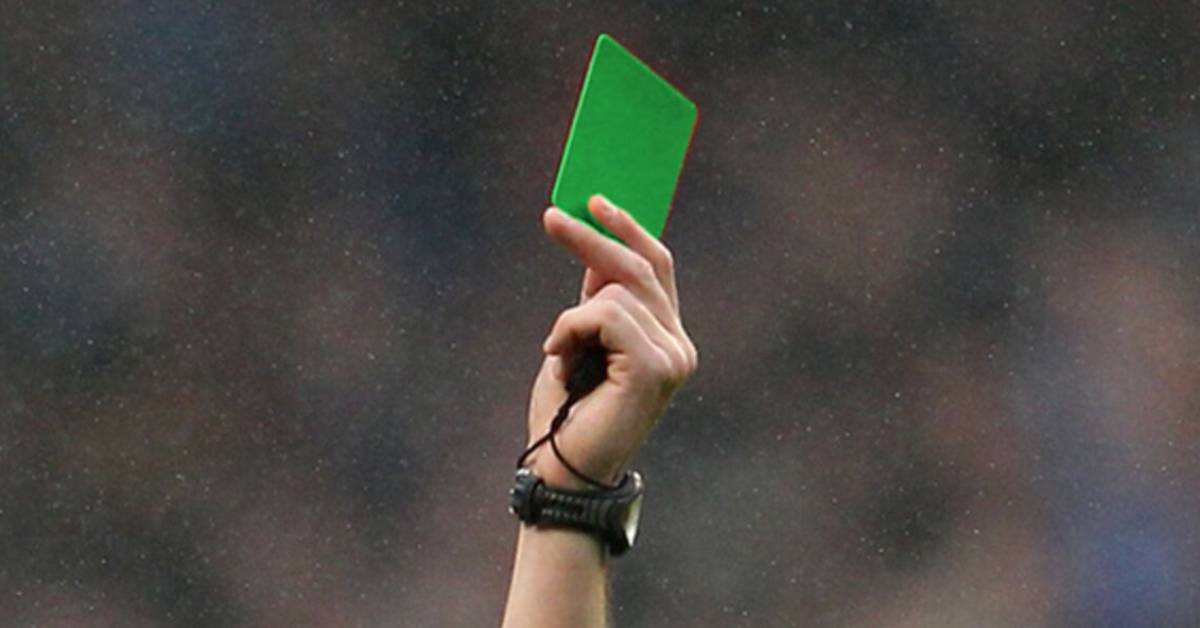
Morocco beat Spain 2-0 on Sunday, September 28, 2025, in Santiago, in a match that showcased a groundbreaking FIFA innovation.
Moroccan coach Mohamed Ouahbi shocked fans and officials by deploying a “green card” in the 78th minute. The move overturned a controversial penalty initially awarded for a simulation by Spaniard Jan Virgili.
Referee Gustavo Tejera reviewed the video footage and reversed his decision after the intervention. He then booked Virgili for diving. The use of the green card became a pivotal moment in the game, protecting Morocco’s lead and influencing the final outcome.
Spain’s coach Paco Gallardo later attempted to challenge another decision with video assistance, but the request failed to change the result. Morocco maintained their advantage and secured an important victory.
FIFA officially calls the new system “Video Support.” It allows coaches to request a video review of four types of incidents: penalties, red cards, goals, or mistaken player identity. Each coach gets two challenges per match, similar to the system used in tennis or American football.
If the referee changes the decision after review, the coach retains the green card for another challenge. If the decision stands, the coach loses that challenge opportunity.
The new system has received widespread praise. Legendary Italian referee Pierluigi Collina described it as “a vital step forward for fairness in football.” FIFA has already tested the green card in several youth competitions, though it has not yet decided on its introduction at senior level.
“There is no specific timeline for implementation,” FIFA said in a May 2024 statement. “We will continue consulting all stakeholders to ensure any change serves the interests of the game.”
The green card aims to increase transparency, reduce controversy, and give teams a fairer chance to contest decisions. Many coaches believe it could transform how matches are managed, especially in high-stakes tournaments.
FIFA plans to study the technology’s impact during this tournament before making a final decision. If successful, it could become a permanent feature in top-level competitions, including the World Cup and continental tournaments.
The U20 World Cup, which began on Saturday and runs until October 19, serves as a testing ground for this innovative feature. Defending champions Uruguay will aim to retain their crown, but the spotlight remains firmly on the green card’s potential to change football’s future.
The move towards coach-initiated reviews marks a shift in how the sport approaches technology. Unlike VAR, which relies on referee decisions or official reviews, the green card empowers coaches to influence key moments.
Whether this system becomes a permanent fixture will depend on its performance during the U20 World Cup. But its early use suggests football is moving towards greater fairness, accountability, and balance in officiating decisions.
Popular News




-

AFCON 2025: Fixtures, Results, Scores and Standings
Jan 18, 2026 -

Leadership and long-term vision key to rescuing Zamalek and inspiring Egyptian football – Hany Abou Rida
Nov 5, 2025 -

South African giants Orlando Pirates set to lose influential forward Monnapule Saleng
Mar 19, 2025 -

Full schedule for 2025 Africa Cup of Nations in Morocco confirmed
Feb 12, 2025

-

PSG youngster Senny Mayulu switches allegiance to DR Congo as World Cup dream beckons
Apr 5, 2026 -

Seven Eritrea players reported missing in South Africa after AFCON qualification
Apr 5, 2026 -

Wilfred Ndidi slams officiating after Besiktas defeat to Fenerbahce in Istanbul derby
Apr 6, 2026 -
FIFA president Gianni Infantino set for key trip to Algeria
Apr 7, 2026
