FIFA offers UEFA limited access to Abandoned Forward Enterprise documents amid transparency dispute
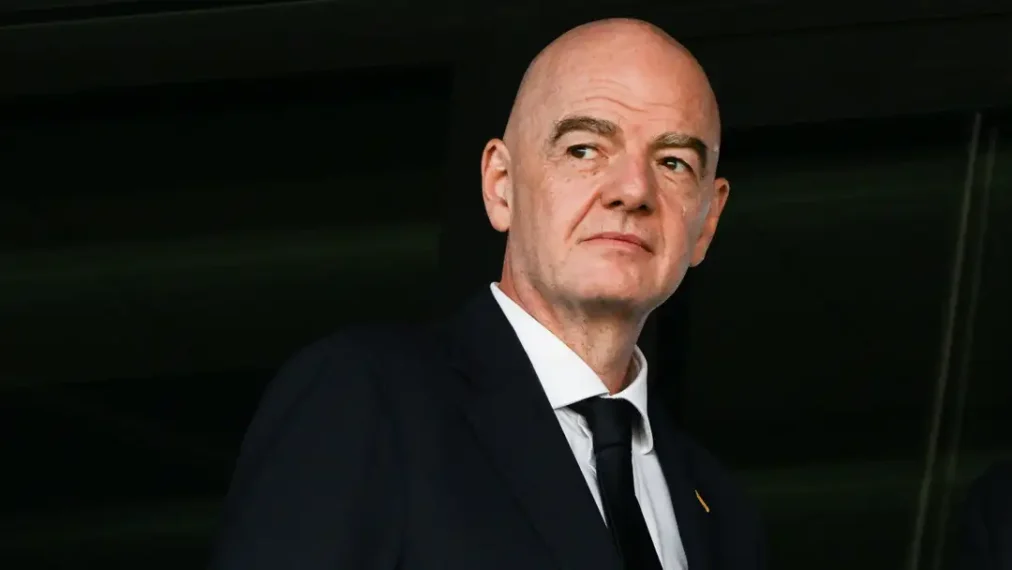
FIFA has agreed to allow members of its Council to examine documents relating to the abandoned FIFA Forward Enterprise project, but strict conditions surrounding access have raised further questions about the organisation’s willingness to provide full transparency.
The decision follows weeks of tension between FIFA and UEFA, whose ultimatum expired on 2 November.
However, rather than making the documents publicly available or distributing them electronically, FIFA will require Council members to travel to its headquarters in Zurich to examine the material under confidentiality rules.
The move represents a concession after pressure from UEFA, but it falls short of the wider access that had been sought.
FIFA president Gianni Infantino has agreed to open the files for inspection while retaining control over how and where they can be viewed.
In a letter sent to Council members shortly before the deadline, FIFA secretary general Mattias Grafström confirmed that documents concerning the discontinued FIFA Forward Enterprise (FFE) project would be made available for consultation.
Members have until 16 November to indicate whether they wish to examine the documents.
FIFA says the restrictions are necessary because of its legal obligations and the sensitive nature of the information.
Nevertheless, the arrangement has raised questions about whether the decision represents a genuine commitment to transparency or simply a limited response to UEFA’s demands.
FIFA sets strict conditions for document access
Under the arrangement, Council members will not receive digital copies of the documents and will not be permitted to take the files away after consultation.
Instead, anyone wishing to examine the material must travel to FIFA’s Zurich headquarters and review it on site.
They will also be required to comply with strict confidentiality conditions.
The restrictions mean that access will be limited to those who are able to visit the headquarters and accept the terms set by FIFA.
Although the organisation has agreed to make the FFE documents available, it has stopped short of publishing them or allowing members to study the material remotely.
That distinction is central to the ongoing disagreement.
Allowing officials to inspect documents under controlled conditions does not necessarily provide the same level of openness as making the information available for wider scrutiny.
UEFA’s 42 questions remain largely unanswered
The dispute also extends beyond the abandoned Forward Enterprise project.
UEFA had submitted 42 questions covering 12 different areas, seeking explanations about FIFA’s decisions and its approach to governance.
The questions included concerns surrounding the FFE project, decisions taken within the organisation and the Peace Prize awarded to United States President Donald Trump.
However, the access arrangement announced by FIFA on 2 November covers only documents connected to the Forward Enterprise project.
This means the concession does not address the full range of issues raised by UEFA.
The expected explanations had not been fully delivered by the deadline, despite FIFA agreeing to provide access to some of the requested material.
FIFA has indicated that it is preparing a response to the questions for members of its Council.
The organisation’s position suggests that further explanations may follow, although the details and timing of those responses remain unclear in the information provided.
UEFA awaits FIFA’s next response
The latest development leaves the wider disagreement between the two governing bodies unresolved.
While FIFA has taken a step towards allowing greater scrutiny of the abandoned project, the conditions attached to the consultation have limited the extent of that concession.
The central concern is no longer simply whether the documents can be accessed, but whether Council members will receive sufficient information to understand the decisions surrounding the project and the other matters raised by UEFA.
For Infantino, the decision offers a way to respond to pressure without making the documents freely available.
For UEFA, however, access to only one part of the requested information leaves several questions outstanding.
Attention now turns to UEFA general secretary Theodore Theodoridis and how the European governing body’s leadership will respond to FIFA’s latest move.
The disagreement is therefore far from settled.
FIFA has agreed to open its files, but the restrictions surrounding access mean the question of full transparency remains.
-
 FIFA offers UEFA limited access to Abandoned Forward Enterprise documents amid transparency dispute Nov 4, 2026
-
Al Ahly fans put more pressure on us than Zamalek supporters, says Bank President Nov 4, 2026
-
Fazila Ikwaput fires East Bengal to comeback victory as Ugandan women shine abroad Nov 4, 2026
-
Togo Football Federation apologises after Patrice Neveu press conference incident Nov 4, 2026




-
AFCON 2025: Fixtures, Results, Scores and Standings Jan 18, 2026
-
Match hero Taiwo Awoniyi reflects on team effort after Chelsea triumph May 5, 2026
-
Leadership and long-term vision key to rescuing Zamalek and inspiring Egyptian football – Hany Abou Rida Nov 5, 2025
-
South African giants Orlando Pirates set to lose influential forward Monnapule Saleng Mar 19, 2025




-
Barcelona host Aston Villa in Champions League meeting at Spotify Camp Nou Nov 2, 2026
-
AEK Athens v Real Madrid: Champions League date, kick-off time and viewing details Nov 2, 2026
-
Villarreal host unbeaten PSG in first European meeting Nov 2, 2026
-
Le Havre AC host Paris Saint-Germain as Ligue 1 leaders seek another win Oct 28, 2026