FIFA deadlines leave Algeria coach Petkovic with key World Cup selection calls
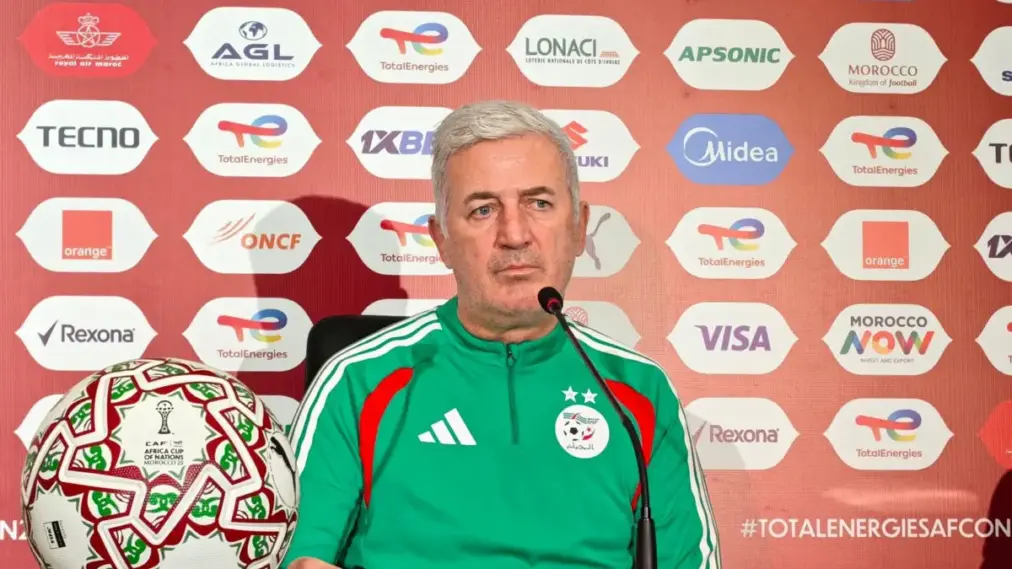
FIFA has confirmed a series of administrative deadlines ahead of the 2026 World Cup, leaving Algeria head coach Vladimir Petkovic with limited time to finalise crucial squad decisions.
The governing body has outlined a clear timetable that all participating nations must follow, effectively setting a countdown for coaching staff as preparations enter their final phase.
For Algeria, the schedule places particular focus on the coming weeks, during which the technical team must shape a competitive squad capable of performing on the global stage.
According to the announced framework, May 13, 2026, will serve as the deadline for submitting provisional squads, consisting of between 35 and 55 players.
This extended list is expected to include a wide pool of options, allowing national teams to assess form and fitness before narrowing down their final selections.
Just under two weeks later, on May 25, clubs will be required to release players for international duty.
This marks a critical transition point, as national teams begin assembling their squads for pre-tournament preparations.
The final step in the process will come on June 1, when each nation must submit its official squad list.
At that stage, teams will be reduced to between 23 and 26 players, the group that will ultimately represent their country at the World Cup.
For Petkovic, the timeline introduces a period of intense decision-making.
With less than two months to settle on his final squad, the Algerian coach must balance continuity with the need to address remaining uncertainties within his team.
His approach to squad management has often leaned towards stability, favouring players who are familiar with his system and have demonstrated consistency.
That tendency suggests he is likely to opt for a 26-player squad, providing additional flexibility in a tournament known for its physical and tactical demands.
Much of the core group appears already established, offering a degree of reassurance as the deadline approaches.
However, several positions remain undecided, and competition for places continues to shape the selection process.
One of the most closely watched areas is the goalkeeping department.
While Luca Zidane is expected to play a central role, the identities of his supporting options remain uncertain.
The choice of backup goalkeepers could prove significant, particularly in a competition where depth is essential.
Midfield selection is also expected to generate debate.
With players such as Bennacer, Bentaleb and Titraoui competing for limited spots, Petkovic faces a delicate task in determining the right balance within the squad.
Each candidate brings different qualities, making the decision both tactical and strategic.
Further forward, the situation in attack presents another unresolved question.
The role of a backup centre-forward has yet to be clearly defined, leaving room for competition between Benbouali and Bekrar.
Both players offer contrasting profiles, and their potential impact could influence how Algeria approaches matches against different opponents.
These decisions underline the complexity of preparing for a major international tournament.
Beyond selecting the most talented individuals, the coaching staff must consider cohesion, adaptability and the ability to respond to varying match scenarios.
The approaching deadlines also highlight the importance of timing.
Injuries, form fluctuations and tactical considerations can all influence the final composition of the squad.
As a result, the period leading up to the submission of the official list is often marked by careful observation and ongoing evaluation.
For Algeria, the objective remains clear: to assemble a squad capable of competing effectively at the World Cup.
While the framework set by FIFA provides structure, it also intensifies the pressure on coaching staff to make the right choices within a limited timeframe.
As June 1 draws closer, attention will increasingly focus on Petkovic’s final decisions.
Each selection will reflect not only individual performance, but also the broader strategy intended to guide the team through one of football’s most demanding competitions.
With the countdown now firmly underway, Algeria’s preparations have entered a decisive phase, where every detail could shape their prospects on the world stage.
-
 CAF Champions League: RS Berkane among first 10 clubs through to group stage Oct 25, 2026
 -
CAF Champions League: RS Berkane reach 2026-27 group stage after Star Sport Academy win Oct 25, 2026
-
CAF Confederation Cup: ASKO de Kara target home victory against FC Diarra Oct 25, 2026
-
CAF Champions League: RS Berkane and Esperance reach group stage as AFAD Plateau exit Oct 25, 2026




-
AFCON 2025: Fixtures, Results, Scores and Standings Jan 18, 2026
-
Match hero Taiwo Awoniyi reflects on team effort after Chelsea triumph May 5, 2026
-
Leadership and long-term vision key to rescuing Zamalek and inspiring Egyptian football – Hany Abou Rida Nov 5, 2025
-
South African giants Orlando Pirates set to lose influential forward Monnapule Saleng Mar 19, 2025




-
Barcelona v Real Madrid: Catalans backed at 1.65 to win October Clasico Oct 23, 2026
-
Barcelona and Real Madrid meet in pivotal 265th Clasico Oct 23, 2026
-
PSG v Barcelona: fiery attacks set up Champions League classic at Parc des Princes Oct 18, 2026
-
Champions League: PSG beat Barcelona as Liverpool complete comeback against Villarreal Oct 20, 2026