
DR Congo football leadership contest intensifies ahead of FECOFA vote
The race to lead Congolese Association Football Federation is gathering pace as two former officials have declared their intention to contest the presidency, raising the prospect of a competitive election that could influence the future direction of football governance in the Democratic Republic of the Congo.
Among those who have formally signalled their ambition is Patrice Mangenda, a former deputy secretary-general of the federation.
Mangenda previously worked within FECOFA’s administrative and judicial football structures during the leadership of former president Constant Omari.
His decision to seek the presidency has generated mixed reactions within the Congolese football community.
While some observers point to his experience within the federation’s internal structures, critics have questioned aspects of his previous responsibilities, particularly during his time involved in the federation’s judicial administration.
Despite those concerns, individuals familiar with the electoral process believe Mangenda may still hold significant influence ahead of the vote.
Analysts suggest his chances could be strengthened if he receives backing from Omari, who remains a notable figure within football circles in the country.
Reports also indicate that Mangenda is actively working to build alliances among key voters as the campaign gradually develops.
Another figure to enter the contest is Bobo Bondembe, who previously served as vice-president of FECOFA.
Bondembe was among the earliest members of Omari’s former leadership team to publicly confirm his interest in contesting the federation’s top position.
Observers say his approach to the campaign appears more independent. Some analysts note that Bondembe’s relationship with certain former allies within the football establishment has weakened, which may influence how his candidacy develops.
His past responsibilities within the federation have also drawn scrutiny, particularly those related to financial oversight.
Critics have raised questions about the transparency surrounding funds allocated to football development projects during his time in office.
The emergence of the two candidates has revived wider debate within the Congolese football community about the federation’s future leadership.
Stakeholders are discussing whether the next administration will continue the direction of previous leadership or introduce reforms aimed at strengthening governance and accountability.
The upcoming FECOFA presidential election is therefore expected to attract significant attention, with many viewing the result as a key moment for the long-term credibility and development of football administration in the Democratic Republic of the Congo.
Popular News
-
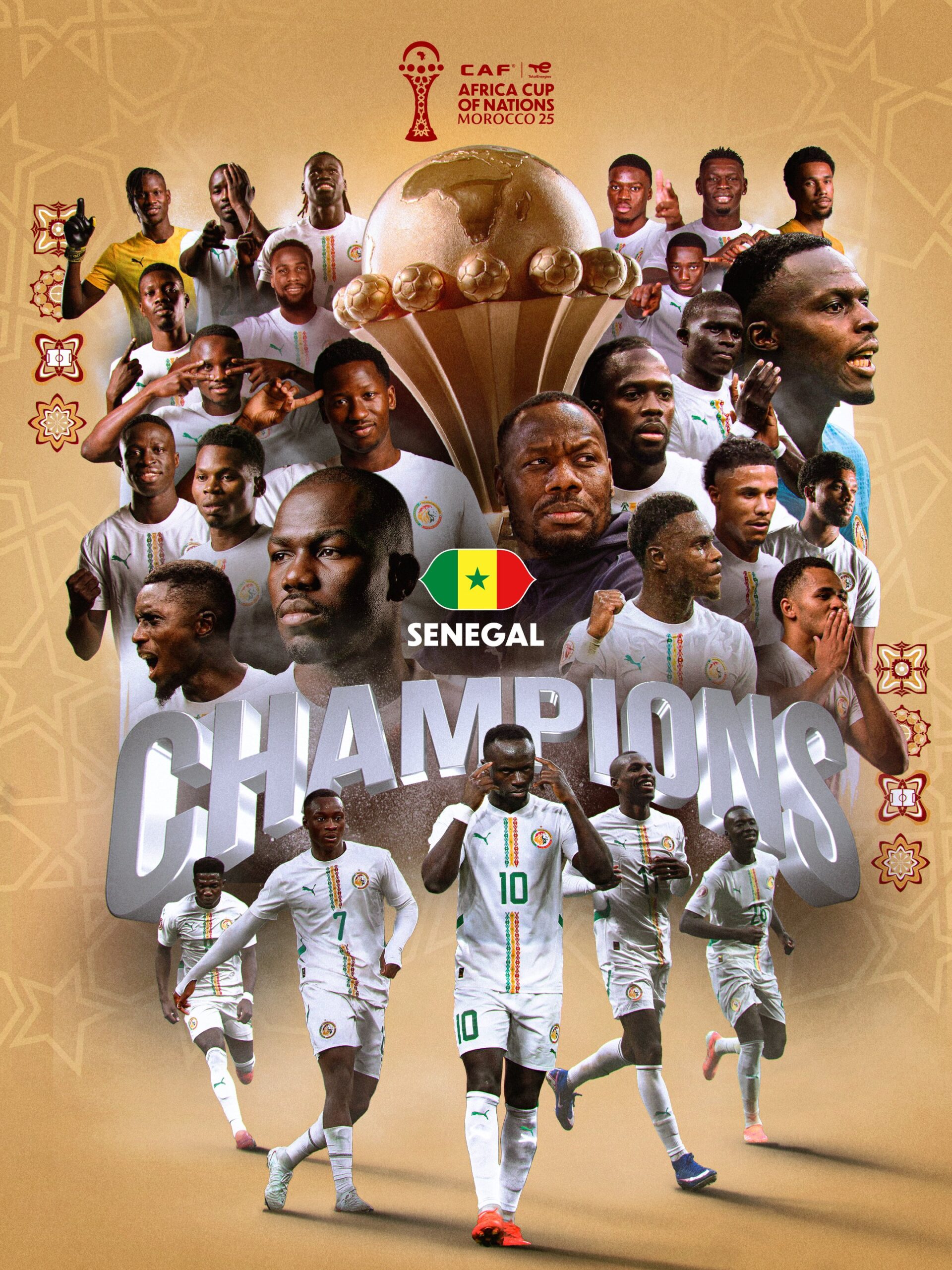
AFCON 2025: Fixtures, Results, Scores and Standings
Jan 18, 2026 -

South African giants Orlando Pirates set to lose influential forward Monnapule Saleng
Mar 19, 2025 -

Leadership and long-term vision key to rescuing Zamalek and inspiring Egyptian football – Hany Abou Rida
Nov 5, 2025 -
Full schedule for 2025 Africa Cup of Nations in Morocco confirmed
Feb 12, 2025
-
Lamini Fati set for Real Madrid breakthrough opportunity
Mar 5, 2026 -
Achraf Dari denied contract exit as Al Ahly SC settle dues
Feb 28, 2026 -
Spanish prosecutors seek 10-year prison sentence for Rafa Mir as legal case deepens
Mar 6, 2026 -
Hannibal Mejbri’s double assist not enough as Burnley fall to late Brentford winner
Feb 28, 2026