FEATURE: Will Senegal’s AFCON 2025 celebrations in France come at a cost?
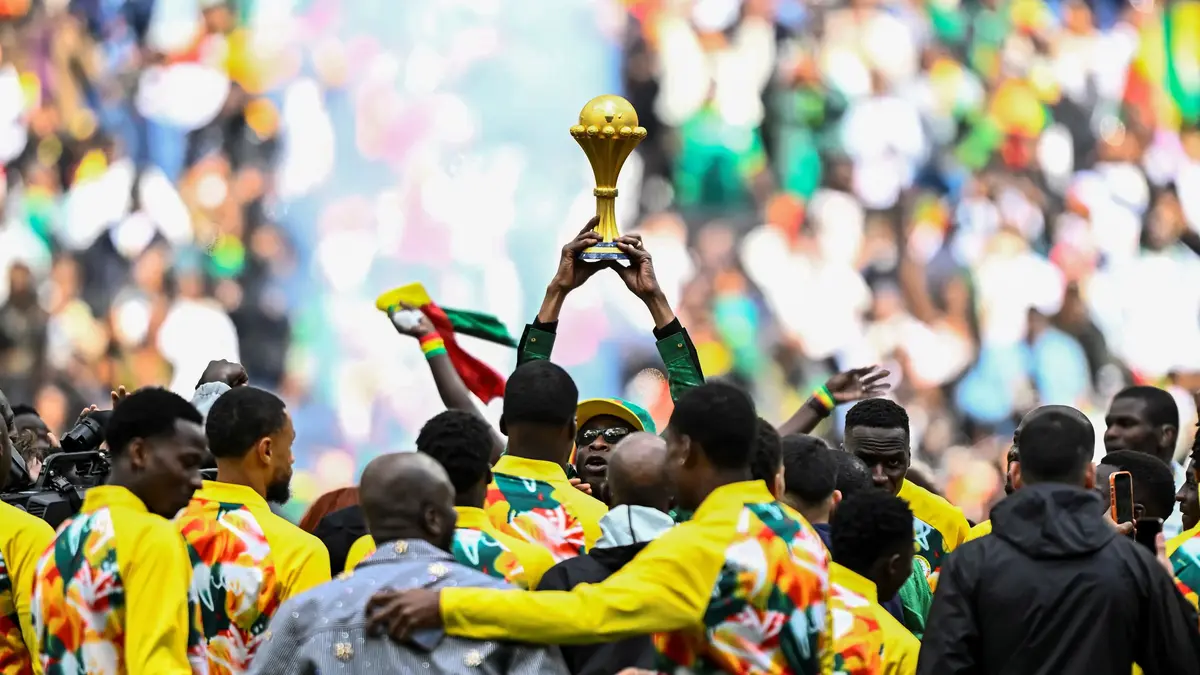
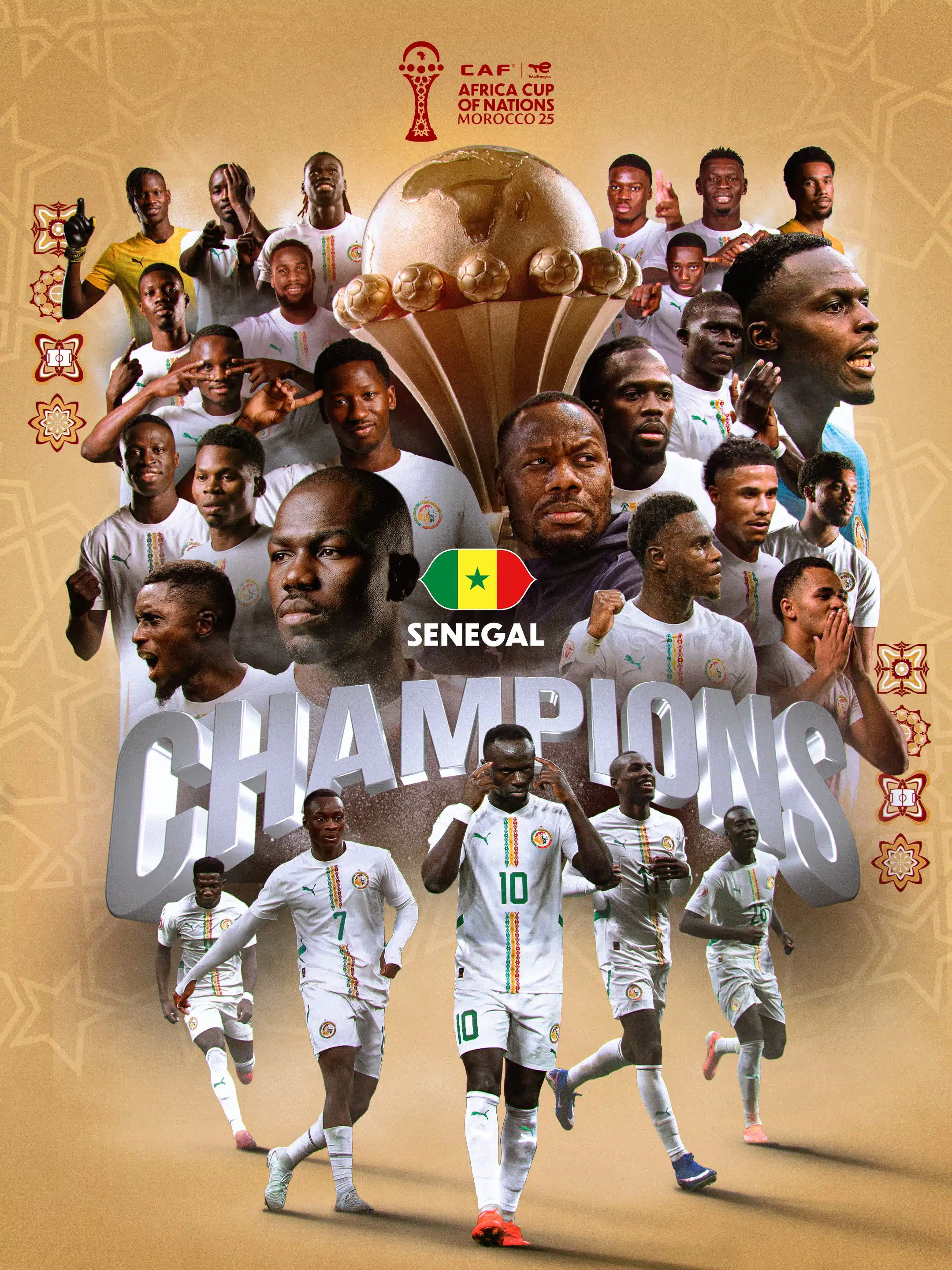
Senegal’s decision to celebrate its Africa Cup of Nations triumph despite an official ruling awarding the title to Morocco has ignited fresh controversy, raising questions about whether the Lions of Teranga could face sanctions.
The issue has drawn legal attention following comments from international sports lawyer Ralph Charbel, who offered clarity on the implications of Senegal’s actions amid the ongoing dispute.
The confusion stems from the dramatic aftermath of the AFCON final in Rabat, where Senegal initially secured a 1-0 victory over Morocco. However, the Appeals Committee of the Confederation of African Football later overturned the result, awarding Morocco a 3-0 win after upholding a protest filed by the Moroccan Football Federation.
The decision was based on Articles 82 and 84 of the competition’s regulations, following an incident in which Senegalese players temporarily left the pitch before returning to continue the match.
Unwilling to accept the ruling, the Senegalese Football Federation escalated the matter to the Court of Arbitration for Sport, which has since confirmed that it is reviewing the case.
Yet, even as proceedings continue in Switzerland, Senegal has made a bold statement by celebrating the trophy publicly, signalling its belief that it remains the rightful champion.
The Lions of Teranga marked their victory twice in recent days, first ahead of a friendly against Peru in France, and again before facing Gambia on home soil. Both fixtures were part of preparations for the 2026 FIFA World Cup, but the celebrations quickly became the focal point of debate across the football world.
Describing the move as problematic, Charbel stated that such celebrations could be deemed unlawful under CAF statutes.
“This celebration is illegal according to Article 48 of the Statutes of the African Football Confederation,” he said.
He further explained that, under this provision, an appeal to CAS does not suspend the enforcement of a decision taken by CAF’s Appeals Committee. In effect, Morocco remains the official AFCON champion until CAS delivers its final verdict.
“Therefore, the Appeals Committee’s decision is valid until the CAS decision is issued,” Charbel added.
This interpretation opens the door to possible disciplinary action. According to the legal expert, CAF could consider sanctions against Senegal for acting prematurely and appearing to disregard the governing body’s ruling.
Meanwhile, tensions continue to escalate off the pitch. The Moroccan Lawyers Club has announced plans to file a complaint with FIFA’s Ethics Committee, arguing that Senegal’s celebrations could undermine the integrity of the legal process and potentially influence proceedings.
However, Charbel downplayed the likelihood of further consequences from that angle. He expressed doubt that FIFA would impose sanctions, insisting that the celebrations are unlikely to have any bearing on the case itself. “I don’t think that FIFA’s Ethics Committee will punish Senegal for this, and I don’t think that will affect the outcome of the case at the Court of Arbitration for Sport,” he said.
He concluded by emphasising that the celebrations, while controversial, do not alter the legal substance of the dispute. The core issues before CAS remain tied to the events of the final match, not the actions that followed.
As the football world awaits a definitive ruling, the saga continues to blur the lines between sport, law, and national pride, with both Senegal and Morocco holding firm to their claims of continental supremacy.
Popular News




-
AFCON 2025: Fixtures, Results, Scores and Standings
Jan 18, 2026 -

Leadership and long-term vision key to rescuing Zamalek and inspiring Egyptian football – Hany Abou Rida
Nov 5, 2025 -

South African giants Orlando Pirates set to lose influential forward Monnapule Saleng
Mar 19, 2025 -

Full schedule for 2025 Africa Cup of Nations in Morocco confirmed
Feb 12, 2025