FEATURE: Morocco and the Africa Cup of Nations – A title “mixed with shame and earned with a stoke of a pen”
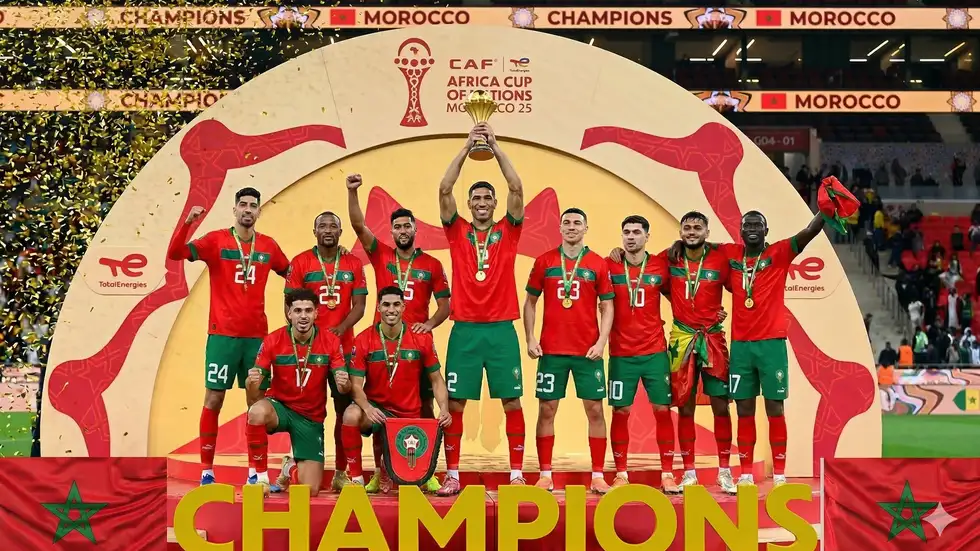
The Confederation of African Football (CAF) has set a precedent that will be remembered for years after awarding Morocco the 2025 Africa Cup of Nations title with a stroke of the pen, bypassing the sweat, effort, and drama on the pitch.
Football, after all, is written on the green field, not in the quiet offices of administrators who may never know the taste of true competition.
This ruling is more than a technical decision; it is a seismic event that shakes the credibility of African football.
It risks turning the continent’s flagship tournament into a source of ridicule, raising questions about the integrity of the Confederation of African Football and the fairness of its championships.
The decision may be legally justified, but its consequences are far-reaching. African players, teams, and fans are left wondering: how can a player give everything on the pitch if titles can be decided behind closed doors?
How can teams trust the fairness of the competition when administrative rulings can overturn the outcome? And how can fans believe that what they witness during a match represents the full truth of the game?
The ruling opens the door to skepticism about impartiality, independence, and integrity. It may be perceived as the result of invisible directives, undermining confidence in African football’s governance. For Morocco, a nation celebrating a long-awaited continental triumph, the paradox is stark: an official title overshadowed by controversy and suspicion.
Victories are immortal when earned under pressure, in front of passionate fans, and in the heat of competition, not granted administratively, no matter the reasoning.
The Moroccan national team’s future encounters may now carry a shadow of doubt, and Moroccan clubs competing continentally could face suspicion or hostility, fueled by the perception that results may be arbitrarily assigned.
This moment is pivotal in African football history. When justice is questioned, victory loses meaning, and competition becomes hollow. Official records may list Morocco as the winner, but history values legitimacy and conviction over paperwork.
The lingering question remains: was this an act of justice, or a decision that should have been left unspoken? The answer may remain unresolved for years, but the sentiment is clear: some feel this should never have been done.
This title, though recorded, carries a burden of controversy that will follow Moroccan football for years to come.
It is a reminder that victories without conviction may never truly be celebrated.
Popular News



-
AFCON 2025: Fixtures, Results, Scores and Standings
Jan 18, 2026 -

Leadership and long-term vision key to rescuing Zamalek and inspiring Egyptian football – Hany Abou Rida
Nov 5, 2025 -

South African giants Orlando Pirates set to lose influential forward Monnapule Saleng
Mar 19, 2025 -

Full schedule for 2025 Africa Cup of Nations in Morocco confirmed
Feb 12, 2025
-
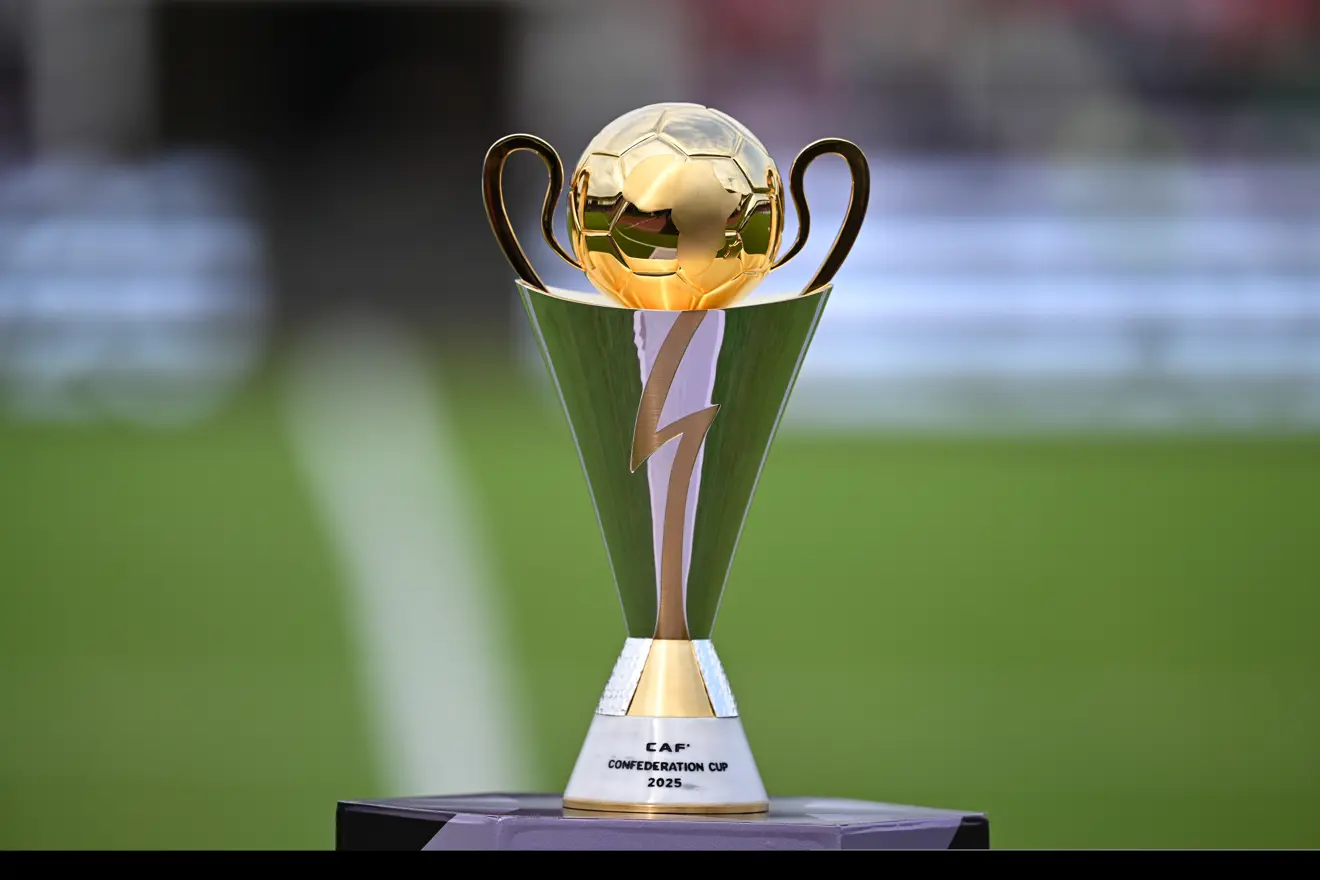
2025/26 CAF Confederation Cup: Fixtures, Results, Tables and Standings
Mar 21, 2026 -

2025/26 CAF Champions League: Fixtures, Results, Tables and Standings
Mar 21, 2026 -

Morocco vs Ecuador Friendly: Where and How to Watch
Mar 26, 2026 -

World Cup 2026: South Africa fixtures and squad timeline revealed
Mar 21, 2026