
FEATURE: Inside CAF’s Appeals Committee – Delay, decision and the controversy shaking African football
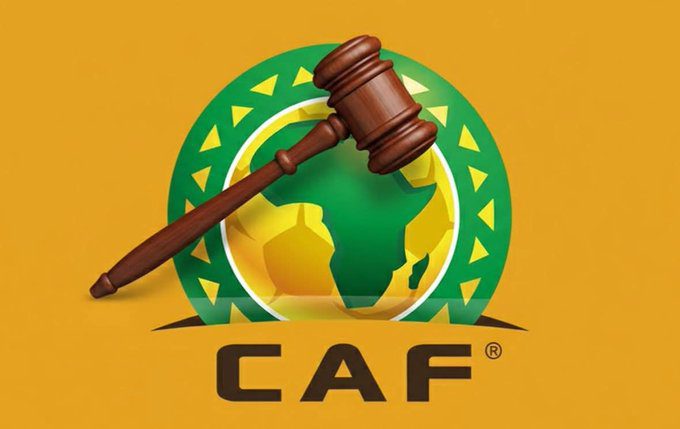
The recent ruling by the Confederation of African Football (CAF) Appeals Committee has ignited intense debate across the continent, not only for its outcome but also for the process behind it.
CAF confirmed on Tuesday that its Appeals Committee had upheld a protest lodged by the Royal Moroccan Football Federation, ruling that Senegal’s national team effectively withdrew from the 2025 Africa Cup of Nations final. As a result, Morocco was awarded a 3-0 victory and crowned champions, securing their second continental title.
The decision dramatically overturned the on-field result from January 18 in Rabat, where Senegal had won 1-0 thanks to a goal from Pape Gueye and had already lifted the trophy in post-match celebrations.
At the heart of the controversy is the role of the Appeals Committee, a judicial body within CAF tasked with reviewing disputes, protests, and disciplinary rulings.
The committee operates independently from match officials and initial disciplinary panels, focusing strictly on whether regulations were properly applied.
Its members are typically legal and administrative experts who assess evidence, match reports, and formal complaints submitted by federations.
In this case, the Moroccan federation’s appeal triggered a full review of the events surrounding the final, particularly the temporary withdrawal of Senegal’s players during a critical moment late in the match.
Under CAF regulations, such an action can be interpreted as forfeiture, which appears to have formed the basis of the committee’s ruling.
The two-month delay has been a major point of criticism. Such timelines often result from the complexity of gathering evidence, reviewing official reports, and allowing all parties to present their cases.
However, critics argue that the extended period undermined the credibility of the process, especially given that the title had already been awarded on the pitch.
The fallout has been immediate. Senegal’s federation has announced plans to challenge the verdict at the Court of Arbitration for Sport, meaning the dispute is far from over and could still take another dramatic turn.
Beyond the legal arguments, the case has exposed deeper questions about governance, consistency, and trust within African football.
What was intended as a regulatory correction has instead evolved into a defining controversy, one that could reshape perceptions of decision-making at the highest level of the game on the continent.
Popular News




-

AFCON 2025: Fixtures, Results, Scores and Standings
Jan 18, 2026 -

Leadership and long-term vision key to rescuing Zamalek and inspiring Egyptian football – Hany Abou Rida
Nov 5, 2025 -

South African giants Orlando Pirates set to lose influential forward Monnapule Saleng
Mar 19, 2025 -

Full schedule for 2025 Africa Cup of Nations in Morocco confirmed
Feb 12, 2025
-
2025/26 CAF Confederation Cup: Fixtures, Results, Tables and Standings
Mar 21, 2026 -

2025/26 CAF Champions League: Fixtures, Results, Tables and Standings
Mar 21, 2026 -

Real Madrid eye €160m deal for French-Nigerian Michael Olise
Mar 16, 2026 -
AFCON 2025 final: How Senegal’s victory was overturned in a controversial CAF decision
Mar 18, 2026