
FEATURE: High-profile cases where CAS rejected federation decisions – A look at how Senegal’s case against CAF could end
The 2025 Africa Cup of Nations final between Morocco and Senegal in Rabat will be remembered not only as one of the most chaotic and controversial matches in the tournament’s history, but also for the administrative reversal that followed.
While Senegal initially won 1-0 after extra time on the pitch, the African Union later overturned the result, awarding the title to Morocco due to the Appeals Committee’s interpretation of Senegal’s temporary walkout as “abandonment of the match.”
The match itself was dramatic: a disallowed Senegalese goal in stoppage time, a contentious penalty for Morocco in the 98th minute, and a temporary walkout by Senegal players amid crowd unrest and violence in the stands. The CAF Disciplinary Committee initially fined and suspended both sides while confirming Senegal as champions, but the Appeals Committee’s decision ultimately awarded Morocco a 3-0 win by default.
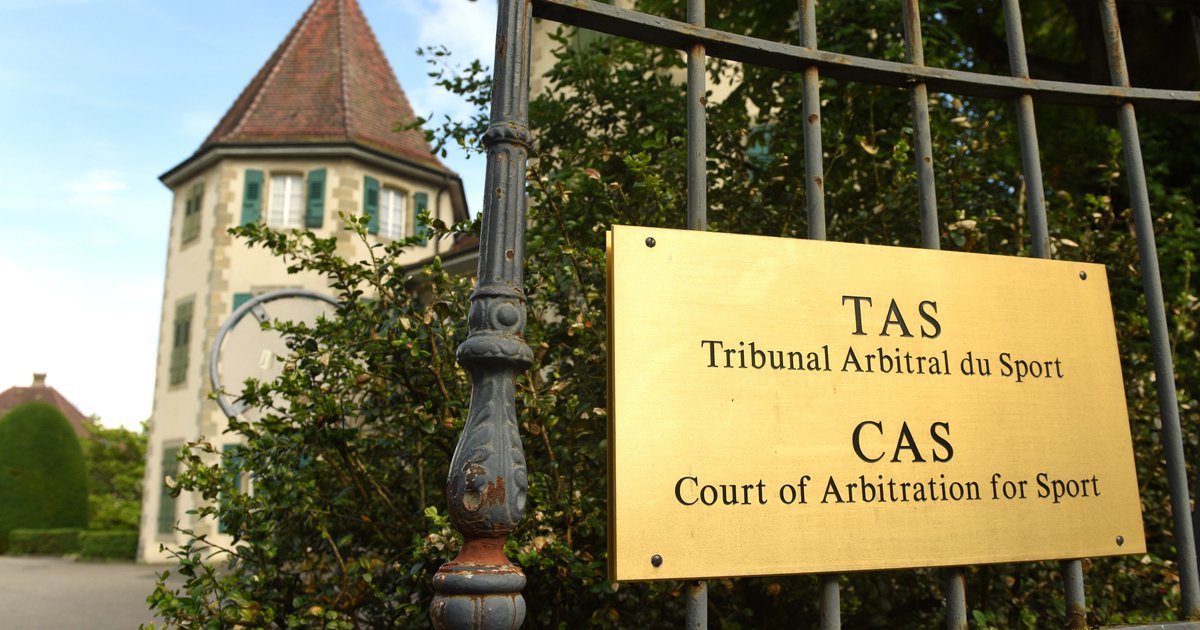
This administrative shift has brought the dispute to the Court of Arbitration for Sport (CAS), the highest global sports arbitration body, recognised by the International Olympic Committee and major federations such as FIFA, UEFA, and CAF. CAS not only reviews the correct application of rules but also examines jurisdiction, procedural fairness, proportionality of penalties, and interpretation of ambiguous regulations.
One of CAS’s arbitrators, South African Raymond Hack, remarked that the court “may be inclined to rule in favour of Senegal” if it is shown that the CAF Appeals Committee overstepped its authority or violated fundamental justice procedures. This statement gives Senegal supporters hope that the title, lost through an administrative decision, could be restored through international arbitration.
Several precedents illustrate CAS’s role in overturning or modifying major federation decisions. In 2019, during the CAF Champions League final between Esperance of Tunisia and Wydad of Morocco, a VAR malfunction led to Wydad temporarily leaving the field. CAF initially planned a replay, but CAS overturned the decision, ruling that only judicial bodies within CAF could determine the match’s outcome.
Similarly, in 2020, Manchester City successfully appealed a two-year UEFA ban and reduced its fine after CAS found that most violations were unproven or time-barred. The Gibraltar Football Association also relied on CAS to secure UEFA and FIFA membership after long-standing political obstacles, while CAS modified FIFA’s sanctions against Ecuador regarding Byron Castillo’s eligibility in the 2022 World Cup qualifiers.
These cases demonstrate that CAS scrutinises procedural fairness and proportionality, and is not afraid to overturn or adjust major decisions. For Senegal, the Esperance-Wydad and Manchester City rulings provide strong examples: CAF’s Appeals Committee may have overreached in turning a temporary withdrawal into a full forfeiture, while CAS has historically reassessed excessive penalties.
Morocco, however, also has a strong legal position. CAF regulations state that refusing to resume play or leaving the stadium can be considered abandonment, as seen in the precedent of Wydad. If CAS views Senegal’s conduct as similar, it could uphold CAF’s decision.
In short, the case remains highly uncertain. CAS precedents give Senegal hope that the title could be returned or sanctions adjusted, while Morocco retains a legally defensible claim to the trophy. Any decision from CAS, whether it confirms Morocco, restores Senegal, or imposes new sanctions, could shape how this historic final is remembered for years to come.
Popular News



-

AFCON 2025: Fixtures, Results, Scores and Standings
Jan 18, 2026 -

Leadership and long-term vision key to rescuing Zamalek and inspiring Egyptian football – Hany Abou Rida
Nov 5, 2025 -

South African giants Orlando Pirates set to lose influential forward Monnapule Saleng
Mar 19, 2025 -

Full schedule for 2025 Africa Cup of Nations in Morocco confirmed
Feb 12, 2025
-
2025/26 CAF Confederation Cup: Fixtures, Results, Tables and Standings
Mar 21, 2026 -

2025/26 CAF Champions League: Fixtures, Results, Tables and Standings
Mar 21, 2026 -

Real Madrid eye €160m deal for French-Nigerian Michael Olise
Mar 16, 2026 -
AFCON 2025 final: How Senegal’s victory was overturned in a controversial CAF decision
Mar 18, 2026