
Dutch-Nigerian Joshua Zirkzee caught in Man United–Roma transfer fee deadlock
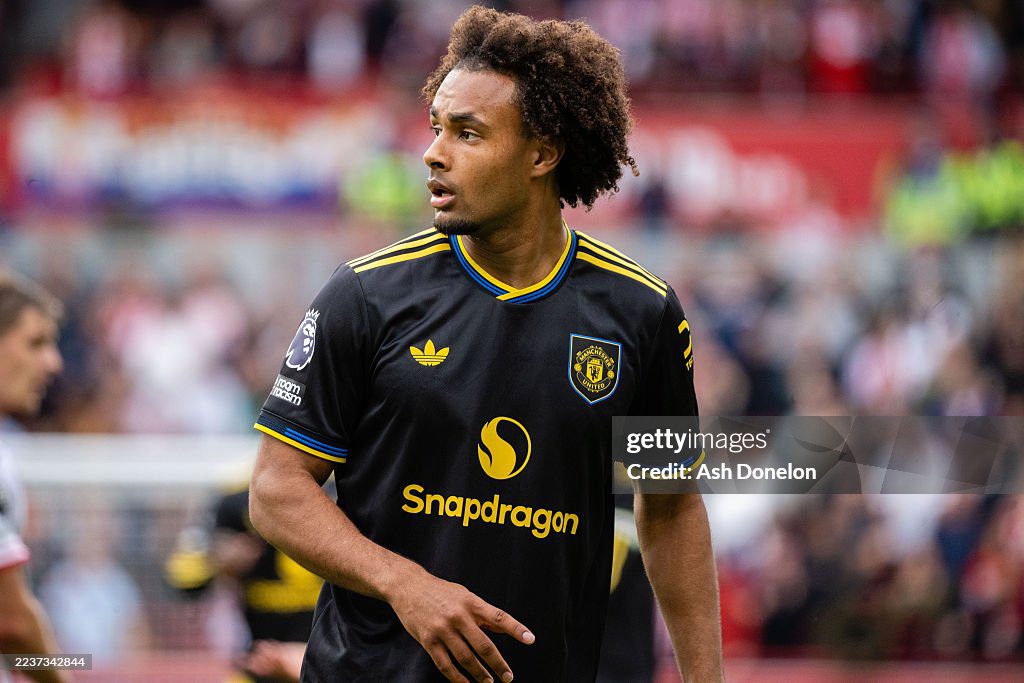
Manchester United and Roma remain locked in a stalemate over the valuation of Joshua Zirkzee, with negotiations failing to progress as both clubs disagree on the structure and size of a potential January transfer.
The impasse centres on United’s insistence on a deal that guarantees a permanent outcome, while Roma continue to push for more flexible terms as they explore a route to bring the striker back to Serie A.
Zirkzee, who is of Nigerian heritage, is increasingly open to a mid-season exit after finding opportunities limited at Old Trafford.
The 24-year-old has struggled to secure a regular role under Ruben Amorim, starting only three of his nine Premier League appearances so far.
His sole league goal came in the 2-1 victory over Crystal Palace at the end of November, a return that has not been enough to cement his place in the starting lineup.
Roma view the forward as a strong fit for their attacking plans and are keen to reintroduce him to Italian football, where he previously enjoyed a productive spell.
However, discussions with United have stalled over financial guarantees. Reports in Italy indicate United are holding firm on either a straight permanent transfer or a loan agreement that includes an obligation to buy at the conclusion of the season, ensuring clarity over Zirkzee’s long-term future.
Roma’s proposal differs in key areas. The Serie A side are understood to favour a loan move that would only convert into a permanent transfer if specific performance-related conditions are met.
United, wary of uncertainty and keen to protect the player’s market value, are reluctant to sanction such an arrangement and have so far resisted compromising on their preferred terms.
The situation leaves Zirkzee in limbo as January approaches. While he remains part of Amorim’s squad, his reduced role has fuelled speculation about an exit, particularly with Roma maintaining interest.
United, for their part, are balancing the desire to streamline their attacking options with the need to avoid a deal they view as financially unfavourable.
Popular News
-
Senegal federation fumes as Morocco jails 18 fans after AFCON final unrest
Feb 20, 2026 -

Pep Guardiola challenges Antoine Semenyo to prove elite Manchester City level
Feb 20, 2026 -

Riyad Mahrez sets new creative benchmark in Saudi Pro League
Feb 20, 2026 -

Ex Al Ahly star Mohamed Fadl slams Ieltsin Camoes as unfit to lead Reds attack
Feb 20, 2026
-
Senegal federation fumes as Morocco jails 18 fans after AFCON final unrest
Feb 20, 2026 -
Pep Guardiola challenges Antoine Semenyo to prove elite Manchester City level
Feb 20, 2026 -
Riyad Mahrez sets new creative benchmark in Saudi Pro League
Feb 20, 2026 -
Ex Al Ahly star Mohamed Fadl slams Ieltsin Camoes as unfit to lead Reds attack
Feb 20, 2026