Curaçao’s historic rise sends Cape Verde out of the 2026 World Cup qualifiers
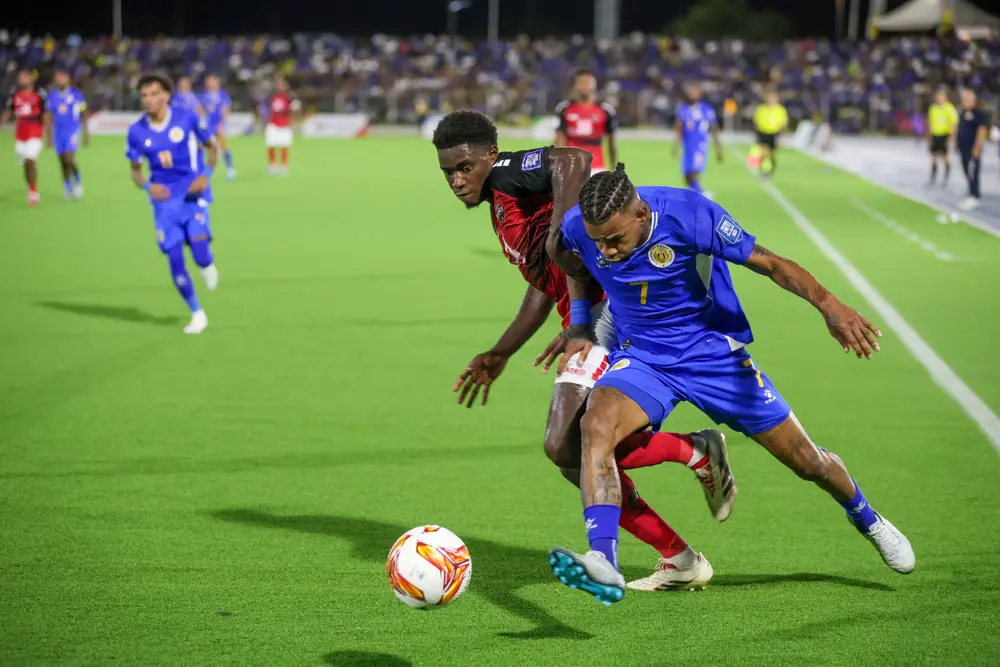
Curaçao has secured its first-ever place at the 2026 FIFA World Cup after holding Jamaica to a decisive goalless draw, completing an unbeaten qualifying campaign that stunned analysts and captivated the Caribbean.
The result ensured the island nation finished top of its group, eliminating Cape Verde from contention despite their earlier success through the African qualifiers.
An autonomous constituent country within the Kingdom of the Netherlands, Curaçao spans just 444 km² and is home to around 156,000 people.
On Tuesday, it became the smallest nation ever to reach a World Cup, marking an extraordinary moment in both sporting achievement and national pride.
The match in the CONCACAF qualifiers ended 0-0, but the significance of that single point reverberated far beyond the final whistle.
Curaçao’s disciplined defensive structure and composure under pressure allowed them to complete a campaign built on consistency rather than chance.
Their rise is the culmination of years of long-term planning, investment in development, and sustained work to build a competitive squad drawn largely from a talented diaspora.
The draw not only sealed Curaçao’s place among football’s elite but also overshadowed Cape Verde, whose own historic place at the tournament—secured after eliminating Cameroon—stood for only a few weeks.
With Tuesday’s result, Curaçao surpassed the Blue Sharks to become the smallest country, by both population and land area, ever to qualify for the World Cup.
This milestone represents far more than a sporting triumph.
For Curaçaoans, qualification is a unifying moment—an achievement that reflects the island’s resilience, ambition, and growing visibility on the international stage.
The team, led by experienced coach Dick Advocaat, is composed largely of players born in the Netherlands who have embraced the opportunity to represent the island with determination and tactical clarity.
Throughout the qualifying campaign, Curaçao’s collective strength stood out.
Their balance between disciplined defending and efficient attacking transitions created the framework for a campaign defined by stability and maturity.
These performances have demonstrated that small nations, when backed by strong leadership and structured development pathways, can surpass all expectations.
Curaçao now heads to the World Cup as clear underdogs, yet with the confidence earned from an unbeaten run against established regional opponents.
Their presence will serve as a reminder that football’s global stage is more open than ever, and that even nations with modest resources can rise to meet the sport’s greatest challenge.
For Curaçao, qualification is already a triumph written into history; the next chapter, to be authored on the world stage, now awaits.
Popular News



-

AFCON 2025: Fixtures, Results, Scores and Standings
Jan 18, 2026 -

Leadership and long-term vision key to rescuing Zamalek and inspiring Egyptian football – Hany Abou Rida
Nov 5, 2025 -

South African giants Orlando Pirates set to lose influential forward Monnapule Saleng
Mar 19, 2025 -

Full schedule for 2025 Africa Cup of Nations in Morocco confirmed
Feb 12, 2025

-

LIVE UPDATES: D.R Congo 1-0 Jamaica – 2026 FIFA World Cup Playoffs
Mar 31, 2026 -

Cameroon defeat China 2-0 in FIFA Series clash
Mar 31, 2026 -

Africa’s 2026 World Cup Teams: Fixtures and Results for March friendly games
Apr 1, 2026 -

Zimbabwe defender Teenage Hadebe dropped after code of conduct breach
Mar 30, 2026