
Claude Le Roy condemns ‘injustice’ towards Senegal after AFCON final
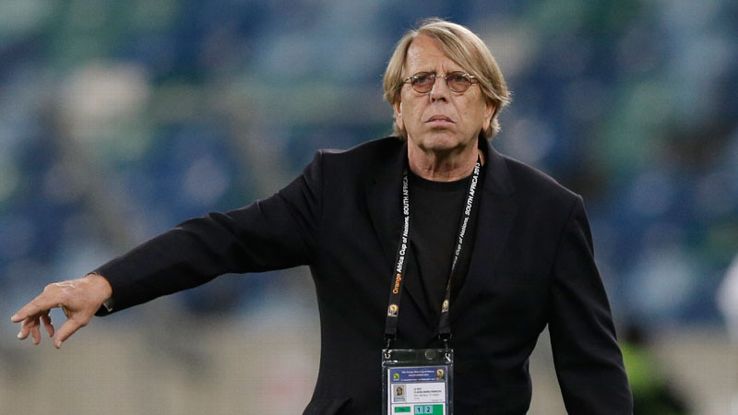
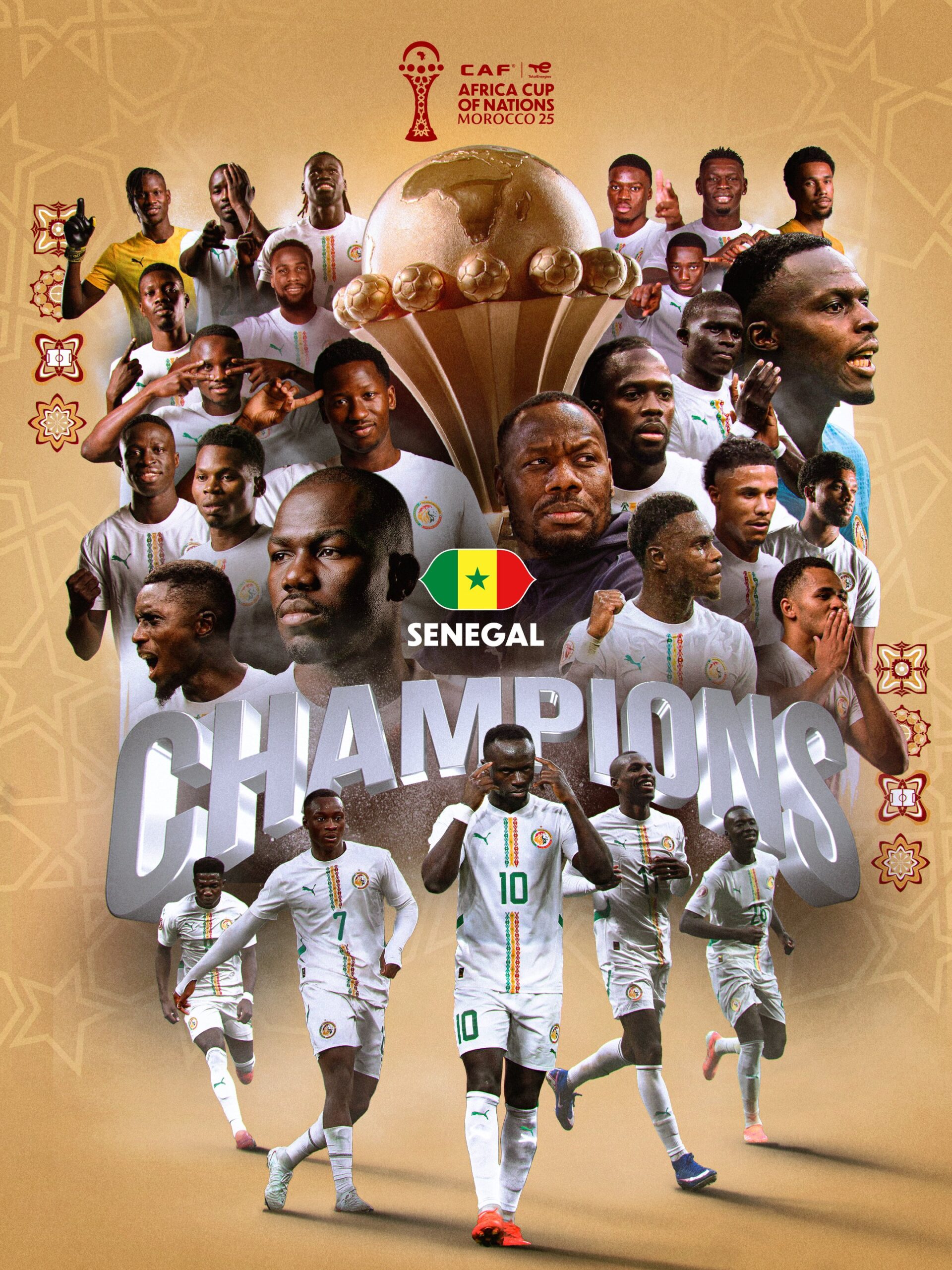
Senegal’s Africa Cup of Nations triumph has been overshadowed by controversy, prompting veteran coach Claude Le Roy to accuse football’s governing bodies of treating the African champions unfairly after the dramatic final against Morocco.
In the aftermath of Senegal’s victory, the Lions of Teranga have faced scrutiny from Morocco, the Confederation of African Football (CAF) and FIFA following their brief withdrawal from the pitch in protest at a disputed penalty decision.
While disciplinary discussions continue, Le Roy has emerged as a vocal defender of the Senegalese camp, arguing that the reaction has been excessive given the emotional intensity of the occasion.
Speaking to the French newspaper Le Figaro, the former Cameroon and Senegal coach, widely known as the “White Wizard”, rejected accusations directed at Senegal’s technical staff and players.
He focused particularly on head coach Pape Thiaw, portraying him as a leader caught in an extraordinary moment rather than someone guilty of misconduct.
“I don’t like to make value judgments. Pape handled things well, but he had a moment of weakness. He acknowledged it and apologized,” Le Roy said, insisting that the pressures of a continental final can overwhelm even the most composed figures.
Le Roy argued that emotion, rather than calculation, defined the closing stages of the final. In his view, the spontaneous reaction from Senegal’s players was a reflection of football’s human dimension rather than an act deserving severe punishment.
“A final is played on emotion, on personal feelings, and that got the better of Senegal. There was nothing rational left, but that’s also what football is about,” he said, calling on the authorities to show understanding rather than condemnation.
However, his comments went beyond the events on the pitch. Le Roy used the controversy to launch a broader critique of football governance, accusing senior figures of prioritising political and financial considerations over fairness and respect for African football.
He suggested that the response to Senegal’s actions reflected deeper imbalances of power within the global game.
In remarks reported by Le Figaro, he said: “Football is life, it’s not Gianni Infantino, proud to be in Trump’s Oval Office or at Mar-a-Lago, who endorses a president who is destroying Africa by killing off all the NGOs.
That’s the tragedy of this continent.” Le Roy also claimed he had previously been silenced at CAF press conferences, with his comments deemed unwelcome by officials.
Taking his argument further, Le Roy urged Senegal and African football leaders to consider a strong response if they feel unfairly targeted. He even raised the prospect of a symbolic stand on the world stage.
“I wonder if we shouldn’t call for a boycott of the 2026 World Cup,” he said, framing the idea as a defence of dignity rather than defiance.
For Le Roy, the episode highlights a struggle that extends beyond one final, touching on respect, sovereignty and the place of African football within global decision-making.
Popular News

-
AFCON 2025: Fixtures, Results, Scores and Standings
Jan 18, 2026 -

South African giants Orlando Pirates set to lose influential forward Monnapule Saleng
Mar 19, 2025 -

Leadership and long-term vision key to rescuing Zamalek and inspiring Egyptian football – Hany Abou Rida
Nov 5, 2025 -

Full schedule for 2025 Africa Cup of Nations in Morocco confirmed
Feb 12, 2025
-
FECOFOOT president Jean-Guy Blaise Mayolas slapped with life prison sentence over money laundering, embezzlement, and forgery
Mar 10, 2026 -
Kaizer Chiefs weigh Fernando da Cruz return as head coach talks emerge
Mar 11, 2026 -

Welayta Dicha vs Sidama Bunna 3:1, 2026-03-08, Ethiopia Premier League Match Report and Result
Mar 8, 2026 -
Kaizer Chiefs sporting director refuses to comment on Benni McCarthy speculation
Mar 7, 2026