CAF Strategy Conference set to shape Africa’s football future in Cape Verde
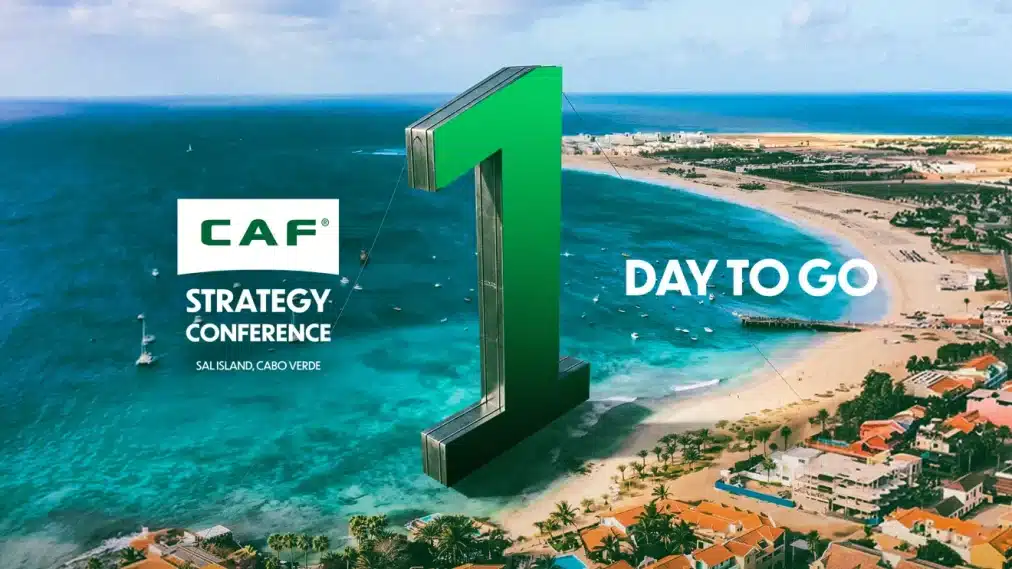
African football’s top decision-makers and technical minds will converge in Cape Verde from October 7 to 9 as the Confederation of African Football (CAF) opens a major discussion on the continent’s football future.
The CAF Strategy Conference in Santa Maria, Sal Island, comes at a defining moment for the continent after Africa produced its strongest collective performance at the 2026 FIFA World Cup.
Ten African countries featured at the tournament and nine progressed to the knockout stage, giving CAF a wealth of technical lessons to assess as preparations begin for the next World Cup cycle.
CAF President Dr Patrice Motsepe will lead the three-day gathering, which is expected to attract FIFA President Gianni Infantino, presidents of CAF’s 54 Member Associations, CAF Executive Committee members, Zonal Union Presidents, national team coaches and prominent figures from the international football community.

Rather than focusing solely on the results achieved in 2026, the conference is expected to examine how Africa can use that progress as a foundation for sustained development.
The opening day on Wednesday will concentrate on football development, with discussions expected to cover areas such as coaching, youth development and the technical structures required to build stronger football systems across the continent.
The agenda will then move on Thursday to a strategic meeting involving CAF and the presidents of its Member Associations, where the broader direction of African football will come under review.
Issues surrounding stronger football institutions, financial sustainability and the competitiveness of CAF competitions are expected to feature as the continent seeks to build systems capable of competing consistently at the highest level.
Friday will provide the most detailed assessment of Africa’s 2026 World Cup campaign, with coaches and technical experts examining the performances of all 10 African representatives.
Morocco’s quarter-final run and the historic achievements recorded by several other teams will form part of the wider assessment, but attention will also be placed on the shortcomings exposed during the tournament and what must change before 2030.
The conference will also place significant emphasis on the development of African coaches.
Six African coaches were in charge of teams from the continent at the 2026 World Cup, reflecting the growing investment in homegrown technical expertise.
That progress has been accompanied by a major expansion in coach education, with CAF recording 19,685 certified coaches between 2021 and 2026 across its various licensing levels.
The challenge now is to ensure that qualification leads to genuine opportunities for African coaches to work, develop and progress through youth, club and international football.
The discussions in Sal will build on previous technical reviews, including those conducted after the 2023 Africa Cup of Nations in Côte d’Ivoire, while widening the conversation to issues such as governance, sustainability, player development and long-term football planning.
For CAF, the conference represents an opportunity to move beyond celebrating Africa’s World Cup progress and focus on how to make that success sustainable.
The lessons from 2026 could therefore become an important part of Africa’s roadmap towards the 2030 FIFA World Cup, with CAF seeking practical solutions that can strengthen football structures across all 54 Member Associations.
-
 CAF Strategy Conference set to shape Africa’s football future in Cape Verde Oct 6, 2026
 -
Real Madrid push Mourinho to hand Ivorian star Yan Diomande bigger role Oct 6, 2026
-
Hakim Ziyech drives huge surge in Botafogo’s Moroccan following Oct 6, 2026
-
Pape Matar Sarr wins over Luciano Spalletti after rocky start at Juventus Oct 6, 2026


-
AFCON 2025: Fixtures, Results, Scores and Standings Jan 18, 2026
-
Match hero Taiwo Awoniyi reflects on team effort after Chelsea triumph May 5, 2026
-
Leadership and long-term vision key to rescuing Zamalek and inspiring Egyptian football – Hany Abou Rida Nov 5, 2025
-
South African giants Orlando Pirates set to lose influential forward Monnapule Saleng Mar 19, 2025




-
Denmark v Portugal: Nations League kick-off time, TV channel and match prediction Sep 29, 2026
-
Croatia face Spain with Nations League hopes on the line in Split Oct 5, 2026
-
France v Belgium: Probable line-ups for Nations League clash Oct 3, 2026
-
AFCON 2027 qualifiers: Manchester United injury crisis deepens as Noussair Mazraoui hobbles off in Morocco win Sep 30, 2026