
CAF sanctions, coaching costs and AFCON budget raise questions in Senegal
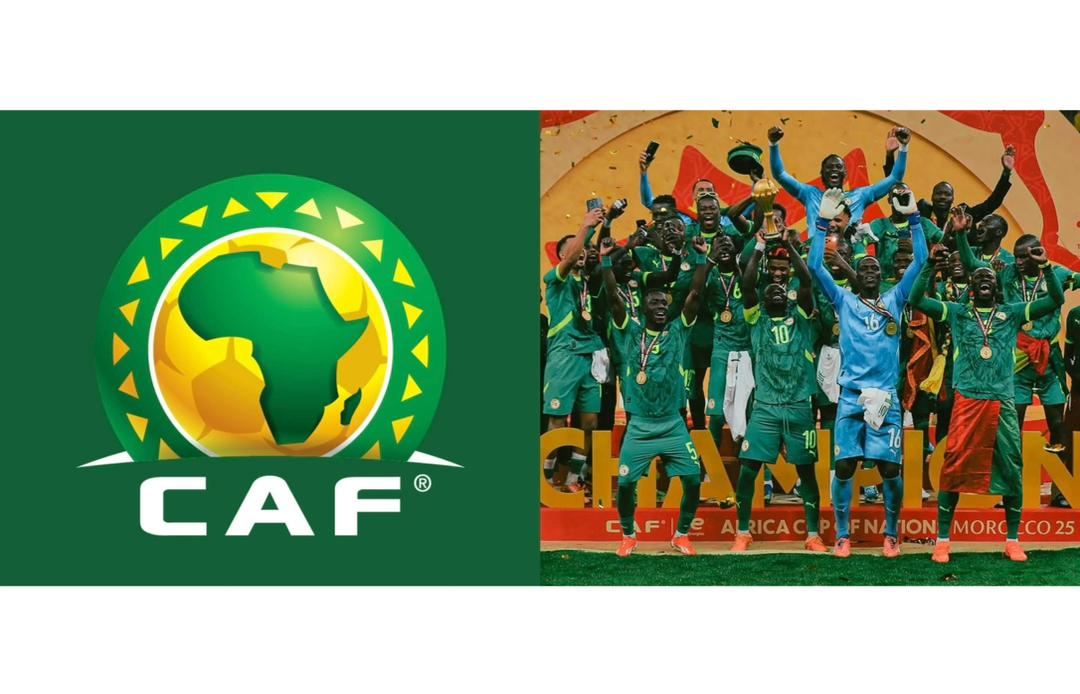
Administrative and financial concerns are increasingly dominating discussion around Senegalese football, with issues off the pitch now drawing as much attention as recent sporting results.
Beyond the disciplinary matters linked to the Confederation of African Football (CAF), two key financial questions related to the national team’s management have resurfaced in recent days.
Together, they have fuelled debate over governance, transparency and planning within Senegal’s football structures.
According to reports relayed by Wiw Sport through its programme Wax Sa Xalat, three major issues are currently shaping the conversation.
The first relates to potential disciplinary action from CAF.
While the exact nature of any sanctions has yet to be clarified, the matter remains under close scrutiny following recent events involving the national team.
CAF’s position and the outcome of any proceedings are expected to have implications for Senegal moving forward.
The second issue concerns the organisation of the Lions’ technical staff, with particular focus on the situation of head coach Pape Thiaw.
Questions have been raised over a possible salary increase and the clarity of his contractual status.
Whether his role is fully confirmed or still subject to internal review, the financial terms surrounding his position have become a point of public discussion.
Observers are closely monitoring how the federation handles this matter, as it reflects broader concerns about decision-making at administrative level.
The third area of concern centres on long-term financial planning, notably the projected budget for the 2025 Africa Cup of Nations.
Preparations for the tournament require careful logistical and economic organisation, and the scale of the investment involved has placed the budgeting process firmly in the spotlight.
The issue underlines the importance of strategic planning as Senegal prepares for one of the continent’s major football events.
Together, these administrative, financial and disciplinary questions have shifted attention away from performances on the field.
As discussions continue, they highlight the growing importance of governance and financial clarity in shaping the future of Senegalese football.
Popular News




-

AFCON 2025: Fixtures, Results, Scores and Standings
Jan 18, 2026 -

South African giants Orlando Pirates set to lose influential forward Monnapule Saleng
Mar 19, 2025 -

Leadership and long-term vision key to rescuing Zamalek and inspiring Egyptian football – Hany Abou Rida
Nov 5, 2025 -

Full schedule for 2025 Africa Cup of Nations in Morocco confirmed
Feb 12, 2025
-
FECOFOOT president Jean-Guy Blaise Mayolas slapped with life prison sentence over money laundering, embezzlement, and forgery
Mar 10, 2026 -

Kaizer Chiefs weigh Fernando da Cruz return as head coach talks emerge
Mar 11, 2026 -

Welayta Dicha vs Sidama Bunna 3:1, 2026-03-08, Ethiopia Premier League Match Report and Result
Mar 8, 2026 -

Kaizer Chiefs sporting director refuses to comment on Benni McCarthy speculation
Mar 7, 2026