
CAF rejects corruption claims as AFCON decision sparks backlash
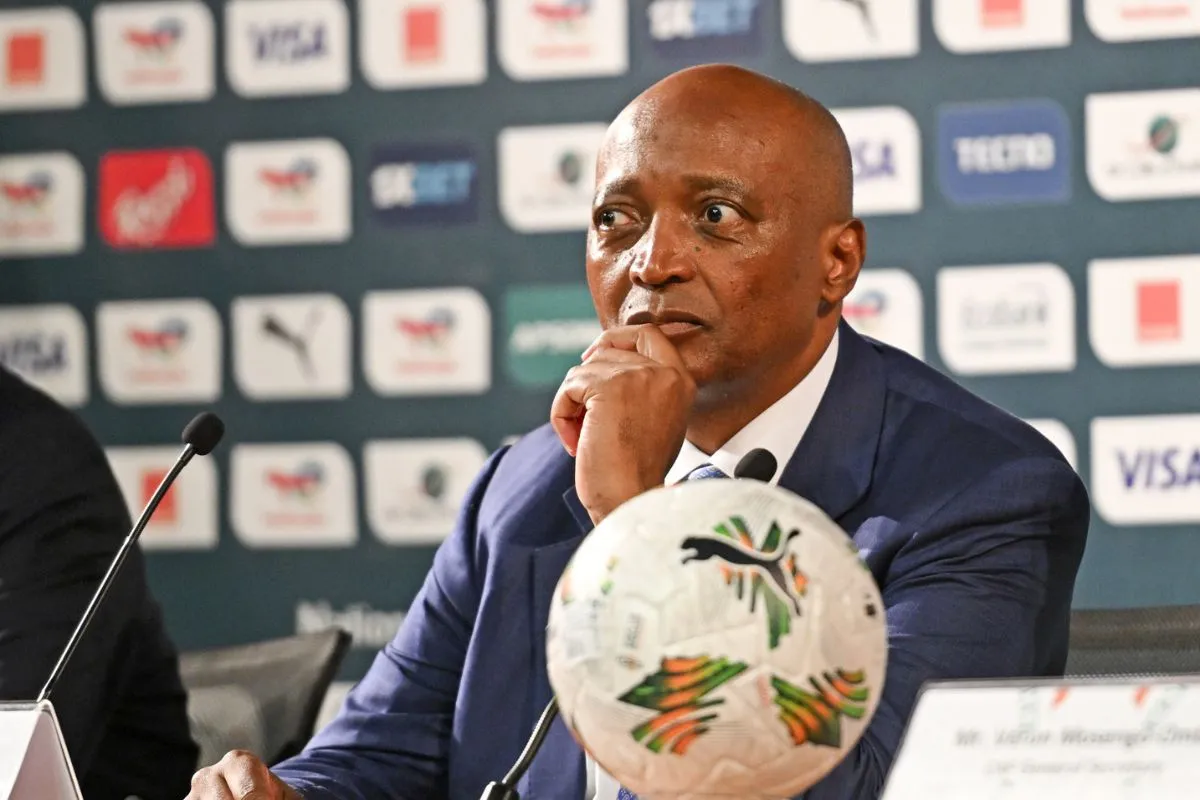
The leadership of the Confederation of African Football has rejected corruption allegations, as criticism intensifies following a controversial decision over the 2025 Africa Cup of Nations.
The dispute has escalated in recent days, with Senegal calling for an investigation into suspected corruption linked to the decision to strip the country of hosting rights for the tournament.
The move has drawn scrutiny towards CAF president Patrice Motsepe and the organisation’s leadership.
In response, the Motsepe camp has issued a firm denial of any wrongdoing. Luxolo September, CAF’s TV and media manager, dismissed the allegations in strong terms.
“ No one can buy Motsepe ,” he said, rejecting claims that the CAF president could be influenced. He also criticised what he described as persistent assumptions about corruption.
“ People have this lazy stereotype that Africans are corrupt. When people say Motsepe is ‘bought,’ I ask: by whom? For how much? It’s laughable. ”
The defence has centred on Motsepe’s personal wealth and financial independence. The South African businessman, whose fortune is estimated at $3.4 billion, is among the wealthiest individuals on the continent.
According to September, this financial standing makes the accusations implausible.
He further stated that Motsepe has not taken a salary from CAF or FIFA since assuming office, and has instead contributed financially to the organisation.
” He pays for his own travel and accommodation. He has never taken a penny. So why would anyone try to buy him, and at what price? ” he insisted.
The controversy comes at a time when CAF is facing increasing pressure over its governance and decision-making processes.
The fallout from the Africa Cup of Nations ruling has raised wider concerns about transparency and accountability within the organisation.
While the Motsepe camp has sought to firmly rebut the claims and restore confidence, the situation continues to generate debate across African football.
Questions surrounding the decision and its implications remain unresolved, highlighting the challenges facing CAF as it attempts to maintain credibility.
Popular News



-

AFCON 2025: Fixtures, Results, Scores and Standings
Jan 18, 2026 -

Leadership and long-term vision key to rescuing Zamalek and inspiring Egyptian football – Hany Abou Rida
Nov 5, 2025 -

South African giants Orlando Pirates set to lose influential forward Monnapule Saleng
Mar 19, 2025 -

Full schedule for 2025 Africa Cup of Nations in Morocco confirmed
Feb 12, 2025
-
2025/26 CAF Confederation Cup: Fixtures, Results, Tables and Standings
Mar 21, 2026 -

2025/26 CAF Champions League: Fixtures, Results, Tables and Standings
Mar 21, 2026 -

Real Madrid eye €160m deal for French-Nigerian Michael Olise
Mar 16, 2026 -
AFCON 2025 final: How Senegal’s victory was overturned in a controversial CAF decision
Mar 18, 2026