
CAF president Motsepe thrown doubts over Morocco’s hosting of the upcoming WAFCON
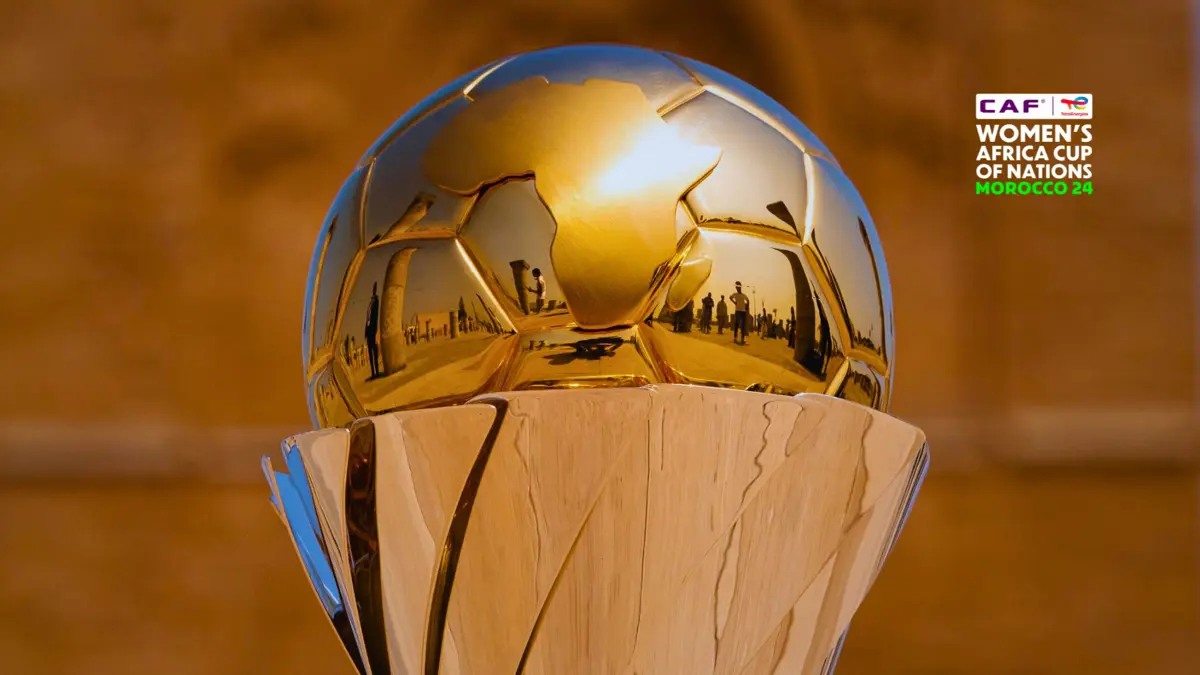
President of the Confederation of African Football (CAF), Patrice Motsepe has casted doubts about Morocco’s hosting of the impending 2026 Women’s African Cup of Nations tournament.
Earlier reports suggested the North African country has withdrawn from hosting the CAF’s elite women competition, scheduled for March 2026.
At a press briefing in Tanzania, Motsepe highlighted a number of outstanding issues that must be addressed to ensure the competition meets CAF’s required standards.
While stopping short of questioning Morocco’s commitment, the CAF president stressed that hosting a major continental tournament demands full readiness across infrastructure, logistics, and operational planning.
Per reports, CAF is closely monitoring progress on stadium preparations, training facilities, accommodation, and overall event logistics. Motsepe reportedly emphasized that women’s football deserves the same level of organization and professionalism as the men’s game, adding that CAF would not compromise on quality.
“CAF’s responsibility is to ensure that WAFCON is delivered at the highest possible standard,” Motsepe is believed to have said. “Any host nation must meet all requirements to guarantee a successful tournament for players, officials, and fans.”
Despite the concerns, CAF has not made any official decision to withdraw hosting rights from Morocco. Instead, the governing body is expected to continue working with Moroccan authorities and the local organizing committee to address the identified challenges ahead of the tournament.
Morocco has invested heavily in football infrastructure in recent years and successfully hosted several major competitions, which gives CAF confidence that the issues can still be resolved in time. However, Motsepe’s comments serve as a clear warning that urgent action is needed to avoid any last-minute complications.
CAF is expected to provide further updates in the coming weeks as inspections and consultations continue, with the ultimate aim of delivering a smooth, well-organized WAFCON that promotes the growth of women’s football across Africa.
Popular News




-

AFCON 2025: Fixtures, Results, Scores and Standings
Jan 18, 2026 -

Leadership and long-term vision key to rescuing Zamalek and inspiring Egyptian football – Hany Abou Rida
Nov 5, 2025 -

South African giants Orlando Pirates set to lose influential forward Monnapule Saleng
Mar 19, 2025 -

Full schedule for 2025 Africa Cup of Nations in Morocco confirmed
Feb 12, 2025

-

Morocco vs Ecuador Friendly: Where and How to Watch
Mar 26, 2026 -

Morocco vs. Ecuador: Match details, key talking points and where to watch
Mar 27, 2026 -

Chile overturn deficit to defeat Cape Verde in FIFA Series clash
Mar 27, 2026 -
Where and how to watch Saudi Arabia vs Egypt friendly ahead of 2026 World Cup
Mar 26, 2026


