CAF makes dramatic AFCON U-turn, Africa’s biggest football event returns to two-year cycle
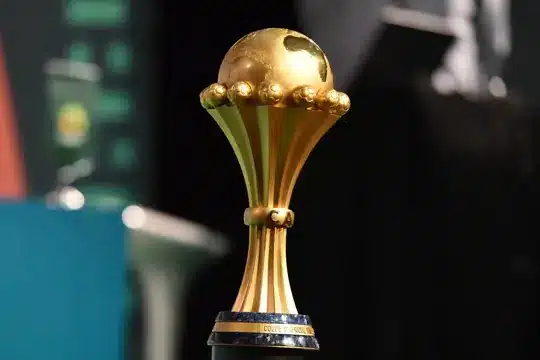
The Confederation of African Football (CAF) has opened the door to a possible reversal of its decision to stage the Africa Cup of Nations (AFCON) every four years, with president Patrice Motsepe confirming that a return to the traditional two-year cycle is under consideration.
Motsepe disclosed that the continental governing body is reviewing the tournament’s frequency following criticism of the decision to move away from the long-established biennial format.
“We are looking into bringing AFCON back to every two years. That’s under review,” Motsepe said.
The announcement signals a potential change of direction for CAF, which had previously defended the four-year cycle as part of efforts to improve the tournament’s commercial value and ease scheduling tensions between club and international football.
The proposed change to a four-year format attracted criticism from sections of the African football community, including fans and other stakeholders concerned about its implications for the continent’s flagship international competition.
Some critics viewed the decision as a concession to the interests of major European clubs and the wider international football calendar, arguing that AFCON’s traditional place in African football should be protected.
The debate has also highlighted the challenge of balancing the interests of national teams, players, clubs, sponsors and football administrators as the international calendar becomes increasingly congested.
Motsepe had previously argued that the biennial tournament placed African players in a difficult position when national-team commitments conflicted with their clubs’ interests, particularly during the European domestic season. He also maintained that staging AFCON every four years would generate significantly more revenue for CAF.
Under the original restructuring plan, the 2027 tournament, co-hosted by Kenya, Tanzania and Uganda, was to be followed by a special edition in 2028 before the competition settled into a four-year cycle. CAF also announced plans to introduce an African Nations League from 2029 to provide a more regular platform for international football.
A return to the two-year cycle would represent a significant reconsideration of that strategy and could preserve the frequency with which African nations compete for the continent’s most prestigious international title.
AFCON has been staged predominantly every two years since its inception in 1957, becoming a major source of revenue for CAF and an important platform for national teams, players and sponsors.
However, Motsepe’s latest comments indicate that the debate over the tournament’s future is not settled. A review does not amount to a formal reversal, and CAF is yet to confirm whether the existing four-year plan will be abandoned.
For now, African football stakeholders will await further clarification from the governing body on the outcome of the review and the calendar that will shape the future of the continent’s flagship competition.
-
 CAF makes dramatic AFCON U-turn, Africa’s biggest football event returns to two-year cycle Oct 9, 2026
 -
Lamine Yamal reveals Sergio Busquets conversation that changed his career Oct 9, 2026
-
Bayern Munich aim to keep title chase on track as Michael Olise hits form at Augsburg Oct 9, 2026
-
Burkina Faso and Benin face costly fallout from Argentina friendlies Oct 9, 2026



-
AFCON 2025: Fixtures, Results, Scores and Standings Jan 18, 2026
-
Match hero Taiwo Awoniyi reflects on team effort after Chelsea triumph May 5, 2026
-
Leadership and long-term vision key to rescuing Zamalek and inspiring Egyptian football – Hany Abou Rida Nov 5, 2025
-
South African giants Orlando Pirates set to lose influential forward Monnapule Saleng Mar 19, 2025




-
Croatia face Spain with Nations League hopes on the line in Split Oct 5, 2026
-
France v Belgium: Probable line-ups for Nations League clash Oct 3, 2026
-
Morocco coach Mohamed Ouahbi refuses to single out player after Mali draw Oct 4, 2026
-
Italy v Turkey: Mancini’s side set for Nations League clash with key absences Oct 4, 2026