CAF clarifies decision-making process behind disciplinary sanctions
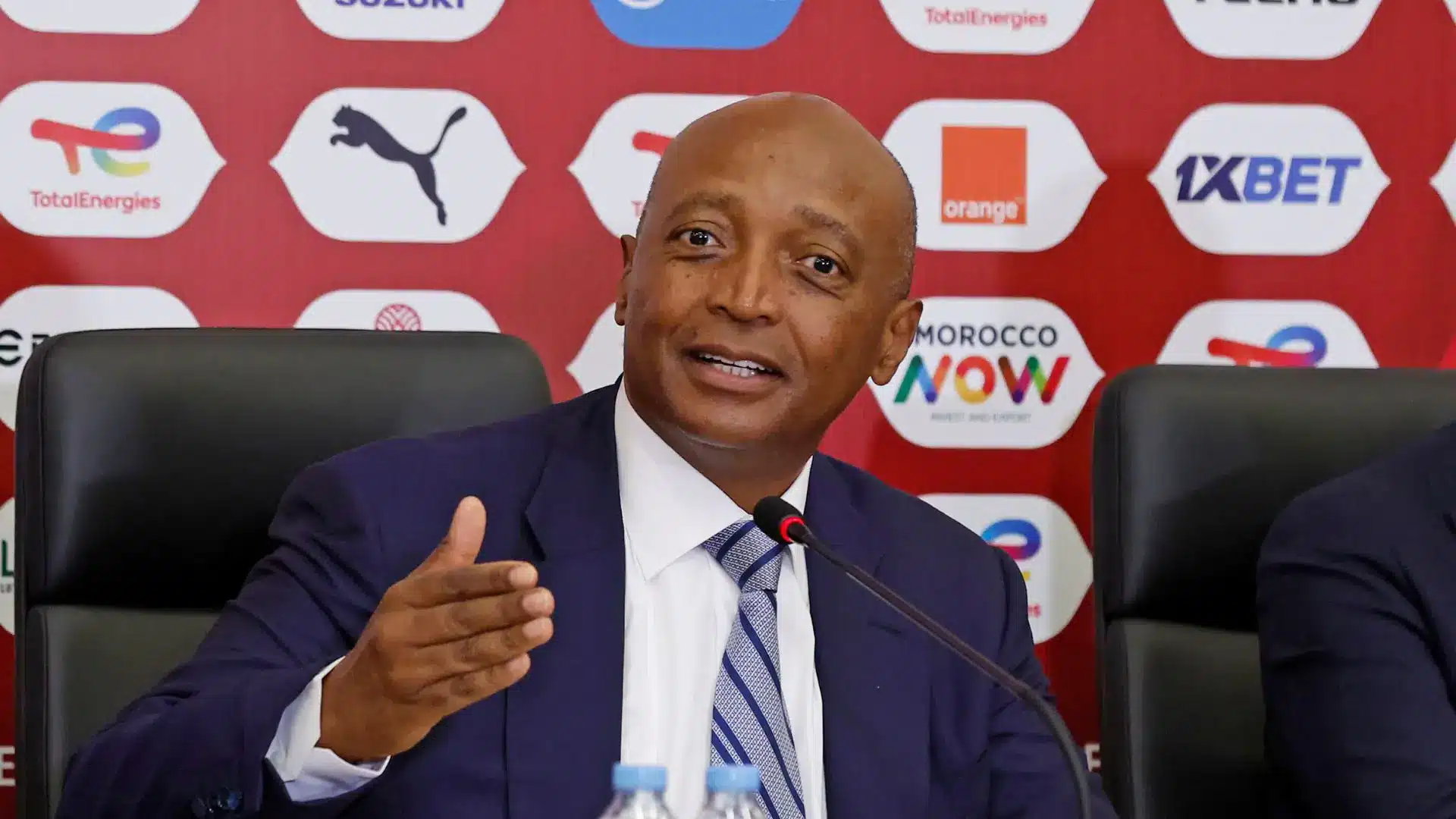
The Confederation of African Football has outlined how disciplinary decisions are made following recent scrutiny over sanctions imposed after a major final, stressing that its legal bodies operate independently from its political leadership.
In the wake of the ruling concerning a forfeit in the final, questions have emerged about who holds authority within CAF’s decision-making structure.
However, the organisation maintains that its president plays no direct role in legal judgments, with responsibilities limited to administrative and representative duties.
According to the framework in place, all disciplinary matters are handled by two key judicial bodies: the Disciplinary Committee and the Appeals Committee.
These panels are responsible for reviewing cases, assessing evidence and delivering verdicts based solely on the regulations governing African football.
CAF states that these committees are composed entirely of experienced legal professionals, including career judges and qualified lawyers.
Their role is to ensure that each case is examined independently, without interference from political or executive figures within the organisation.
The members of these bodies are appointed by the CAF Congress, described as the highest authority within the organisation.
This method of appointment is intended to guarantee both legitimacy and autonomy, allowing the committees to operate without internal pressure when resolving disputes.
CAF also highlighted the process by which decisions are communicated.
Once a verdict has been reached, it is formally issued and distributed electronically to all relevant parties.
The president, CAF said, is not involved in discussions prior to the decision and receives the outcome in the same way as other stakeholders.
This system, the organisation argues, reinforces the separation between governance and judicial processes.
By keeping decision-making within independent legal structures, CAF maintains that sanctions—such as those related to the recent final—are based on a strict interpretation of the rules rather than external influence.
The clarification comes at a time when the organisation’s procedures are under close examination, with CAF seeking to underline the integrity and transparency of its disciplinary mechanisms.
Popular News




-

AFCON 2025: Fixtures, Results, Scores and Standings
Jan 18, 2026 -

Leadership and long-term vision key to rescuing Zamalek and inspiring Egyptian football – Hany Abou Rida
Nov 5, 2025 -

South African giants Orlando Pirates set to lose influential forward Monnapule Saleng
Mar 19, 2025 -

Full schedule for 2025 Africa Cup of Nations in Morocco confirmed
Feb 12, 2025

-
2025/26 CAF Confederation Cup: Fixtures, Results, Tables and Standings
Mar 21, 2026 -

2025/26 CAF Champions League: Fixtures, Results, Tables and Standings
Mar 21, 2026 -

Morocco vs Ecuador Friendly: Where and How to Watch
Mar 26, 2026 -

World Cup 2026: South Africa fixtures and squad timeline revealed
Mar 21, 2026