
Angola unveil major football projects in bid for sporting renewal
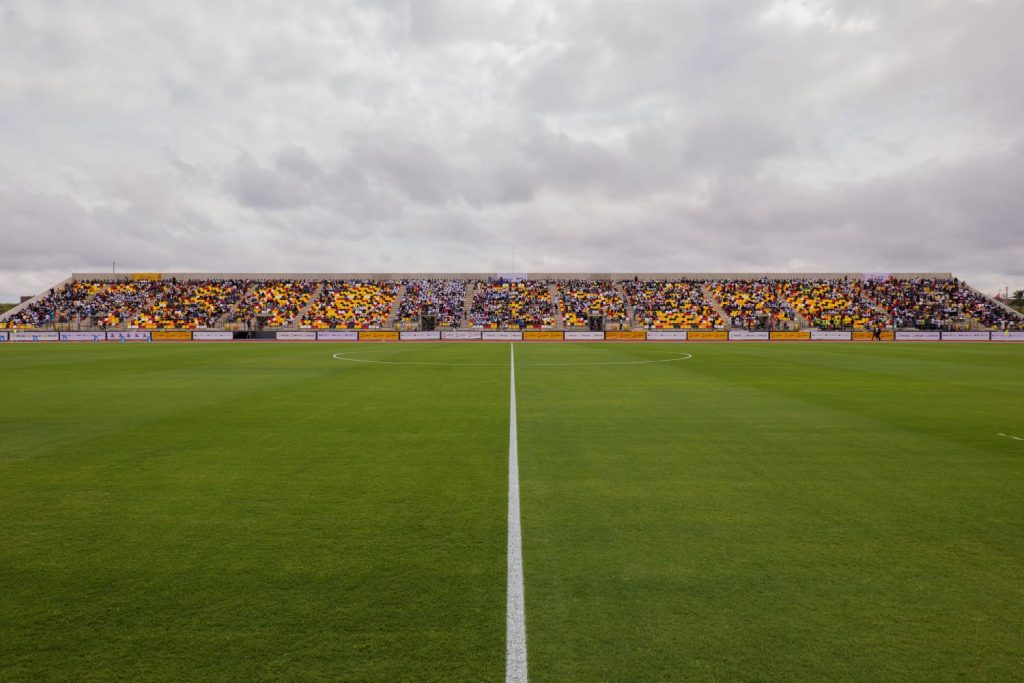
Angola announce sweeping football development projects and outline bold reforms after early elimination from the 2025 Africa Cup of Nations.
The Angolan Football Federation enact immediate measures and promise a decisive break from past strategies.
Officials describe the changes as a radical turning point for the future of the Palancas Negras and for domestic competitions.
The federation introduce a new policy on national team selection and redefine the role of dual-national players.
From now on, FAF leaders cap the number of footballers from the diaspora at 25 percent of any squad.
The organization emphasize sporting sovereignty and place greater trust in players born and trained inside Angola.
Administrators insist this rule protect national identity and reduce long-term reliance on foreign-based talent.
The decision close a chapter of heavy dependence on dual nationals and signal a fresh direction for the senior team.
FAF executives also turn attention to the local league system and identify the Girabola as the centerpiece of the recovery plan.
The federation focus on revitalizing the top division and strengthening lower tiers across the country.
By promoting more local players into international competitions, FAF chiefs aim to create a direct pathway for Angolan footballers.
Officials want Angolan clubs to become genuine competitive talent pools and to supply the national team with prepared and confident athletes.
The reform package include significant investment in infrastructure and organization. Federation planners propose upgrades to stadiums, training centers, and regional facilities.
FAF leaders commit resources to modern academies and youth programs and seek to raise professional standards nationwide.
The federation believe stronger domestic structures produce better players and deliver greater success on the continental stage.
Youth training stand at the heart of the long-term vision. Angola rely on home-grown prospects and concentrate on developing football from the grassroots level.
The federation pledge to build new development centers and expand coaching education.
Administrators plan to integrate young players into professional environments earlier and provide consistent competitive opportunities.
FAF leaders describe the objective as simple and direct. They want to transform Angolan football and restore pride after a disappointing tournament.
By investing in the next generation, officials hope to secure sustainable progress and create a unified sporting culture.
The federation call on clubs, coaches, and supporters to embrace the reforms. League administrators promise collaboration and express readiness to implement the changes without delay.
FAF leaders view the early AFCON elimination as a painful moment but treat it as motivation for renewal.
Officials insist Angola possess enough local talent and potential to compete with the best teams in Africa.
FAF leaders now aim to reposition the Palancas Negras and rebuild confidence ahead of future qualifiers.
Administrators believe the reforms mark the beginning of a stronger era and a clearer Angolan football identity.
The focus on the Girabola and lower divisions aims to provide a springboard for domestic players.
Investments in academies aim to nurture young prospects. The selection cap aims to protect sporting sovereignty.
All parts of the project connect into one coherent strategy.
Angolan football now stand on the edge of a new beginning. FAF leaders commit to action and launch ambitious projects.
Officials hope these reforms return Angola to competitiveness and help the Palancas Negras dream once again.
Popular News
-
Senegal federation fumes as Morocco jails 18 fans after AFCON final unrest
Feb 20, 2026 -

Pep Guardiola challenges Antoine Semenyo to prove elite Manchester City level
Feb 20, 2026 -

Riyad Mahrez sets new creative benchmark in Saudi Pro League
Feb 20, 2026 -

Ex Al Ahly star Mohamed Fadl slams Ieltsin Camoes as unfit to lead Reds attack
Feb 20, 2026
-
Senegal federation fumes as Morocco jails 18 fans after AFCON final unrest
Feb 20, 2026 -
Pep Guardiola challenges Antoine Semenyo to prove elite Manchester City level
Feb 20, 2026 -
Riyad Mahrez sets new creative benchmark in Saudi Pro League
Feb 20, 2026 -
Ex Al Ahly star Mohamed Fadl slams Ieltsin Camoes as unfit to lead Reds attack
Feb 20, 2026