
AFCON 2025 final: Senegal’s control meets Morocco’s defensive wall in Rabat showdown
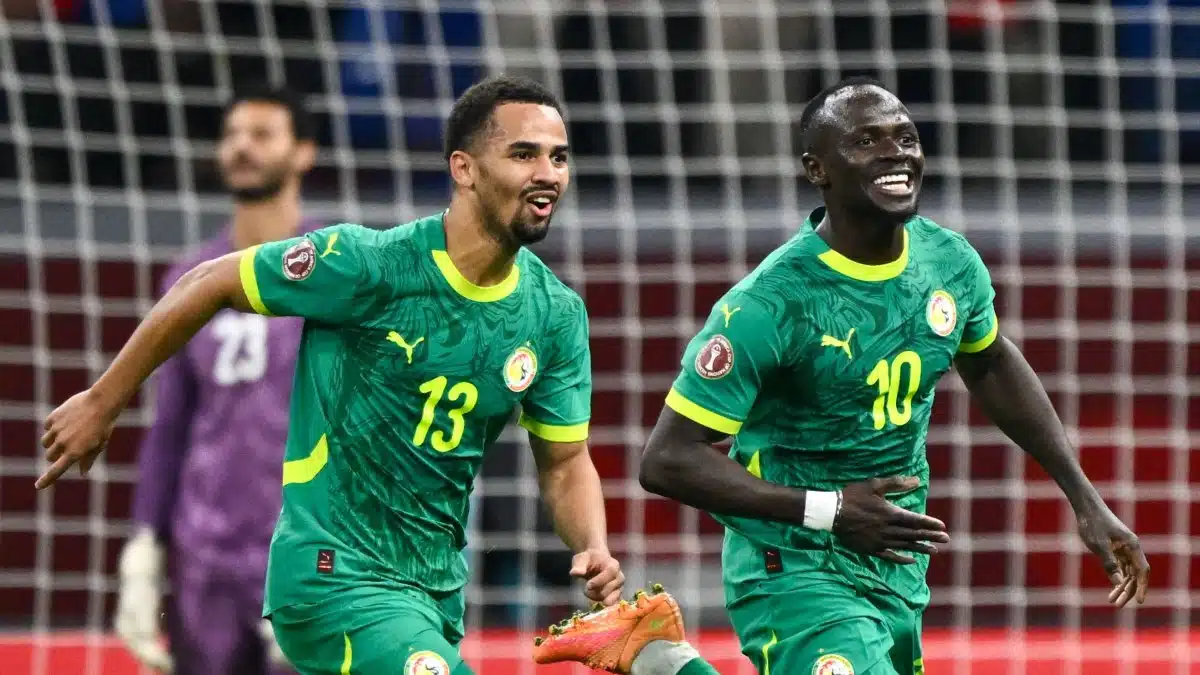
When Senegal face Morocco in Sunday’s TotalEnergies CAF Africa Cup of Nations Morocco 2025 final, the outcome may be shaped less by star names and more by a clash of contrasting football identities.
Both teams have reached the final through discipline and structure, but they have done so in markedly different ways — setting the stage for a tactical contest that could define the tournament’s conclusion.
Senegal’s dominance through control
Senegal have quietly become the most complete side at AFCON 2025.
They have attempted more passes than any other team at the tournament, dominated possession in key knockout matches, and scored in all six of their games — a first in their AFCON history.
Under Pape Thiaw, Senegal have prioritised territorial control, recycling possession patiently before accelerating through wide areas and late midfield runs. Against Egypt in the semi-final, they recorded over 63% possession and allowed their opponents just three shots in 90 minutes.
Even without overwhelming opponents with goals, Senegal’s ability to suffocate games has been decisive — a hallmark of champions.
Morocco’s strength without the ball
Morocco, by contrast, have thrived by mastering moments rather than matches.
The hosts have conceded just one goal in six games, kept five clean sheets, and gone nearly eight hours without allowing the ball into their net. Their defensive block — compact, patient and well-drilled — has repeatedly forced opponents into low-percentage shots.
Walid Regragui’s side are comfortable without extended possession, instead relying on structure, quick transitions and set-piece efficiency. Against Nigeria in the semi-final, Morocco faced just one shot on target across 120 minutes.
Goalkeeper Yassine Bounou has been pivotal, but so too have the positioning and decision-making of Nayef Aguerd and Achraf Hakimi, who balance defensive security with controlled progression.
Midfield battle could decide the final
The key confrontation is likely to unfold in midfield, where Senegal’s passing rhythm meets Morocco’s positional discipline.
Senegal will seek to draw Morocco out, using width and ball circulation to create spaces between the lines. Morocco, however, have shown little inclination to break their shape, preferring to absorb pressure and strike when opponents overcommit.
With AFCON finals traditionally tight affairs — many settled by a single goal or penalties — control of central zones could be the difference between dominance and frustration.
A final shaped by patience
History suggests that AFCON finals reward composure rather than chaos. Since 2002, most finals have ended either 1-0 or 0-0, and Morocco’s recent knockout wins have required nerves of steel rather than attacking fluency.
Senegal arrive with the assurance of reigning champions; Morocco with the weight — and energy — of a nation behind them.
In Rabat, it may not be the team that attacks most that lifts the trophy, but the one that best understands when to wait, when to press — and when to strike.
Popular News




-

AFCON 2025: Fixtures, Results, Scores and Standings
Jan 18, 2026 -

Leadership and long-term vision key to rescuing Zamalek and inspiring Egyptian football – Hany Abou Rida
Nov 5, 2025 -

South African giants Orlando Pirates set to lose influential forward Monnapule Saleng
Mar 19, 2025 -

Full schedule for 2025 Africa Cup of Nations in Morocco confirmed
Feb 12, 2025

-
Nigeria star Victor Boniface happy to return after three months injury absence
Apr 1, 2026 -

South African trainer Pitso Mosimane applies for vacant Ghana coaching job
Apr 1, 2026 -

Morocco reign supreme as Ghana slip in latest FIFA Rankings shake-up
Apr 1, 2026 -

South African coach Pitso Mosimane applies for Ghana Black Stars job
Apr 1, 2026