
AFCON 2025 Final: Sadio Mane: ‘I’d rather lose than damage the image of African football
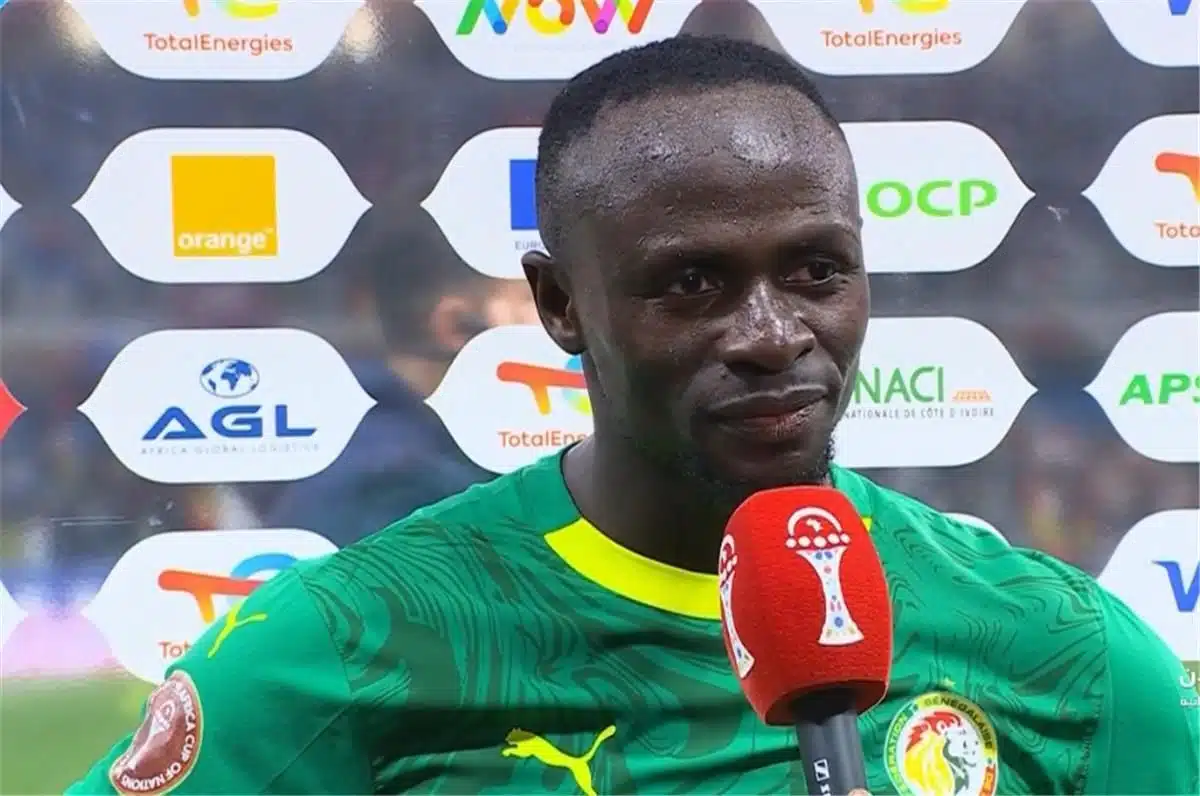
Sadio Mane said he intervened during Senegal’s protest in the Africa Cup of Nations final because he feared the episode was harming the image of African football, insisting that no result was worth allowing the game to descend into chaos.
The Senegal forward spoke after a dramatic final in which his team briefly walked off the pitch in protest at a controversial refereeing decision, an incident that is expected to bring disciplinary consequences for the reigning champions.
Mane, Senegal’s most influential figure on and off the pitch, said he felt compelled to act as tensions rose, with the match halted for several minutes and players retreating to the dressing room amid growing confusion inside the stadium.
“Football is something special, the world was watching, the world loves football and I think football is a pleasure so we have to give a good image for football,” Mane said afterwards.
The former Liverpool forward remained calm during the stoppage and later played a key role in persuading his team-mates to return to the field, allowing the final to continue.
For Mane, the principle was clear: whatever the disagreement with the referee’s decision, abandoning the match would have caused lasting damage.
“I think it would be crazy to not play this game because what, the referee gave a penalty and we go out of the game? I think that would be the worst thing especially in African football. I’d rather lose than this kind of thing happen to our football,” he said.
The protest came at a moment when African football was under global scrutiny, with millions watching the continent’s biggest match.
Mane acknowledged the frustration felt by his team but stressed that responsibility had to outweigh emotion.
“I think it’s really bad. Football should not stop for even ten minutes but what can we do? We have to accept that we did but the good thing is that we came back and we played the game and what happened happened.”
Former Morocco international Hassan Kachloul echoed that view, saying the situation was slipping out of control before Mane stepped in.
“Africa football were losing,” Kachloul said, reflecting concerns that the spectacle of the final was being overshadowed by controversy rather than the football itself.
Senegal are now likely to face sanctions as a result of the protest, but Mane’s words offered a reminder of the responsibility carried by senior players during moments of crisis.
By prioritising the integrity of the game over the emotion of the moment, Mane underlined why he remains one of African football’s most respected figures — not only for what he delivers on the pitch, but for how he understands the weight of the occasion when the stakes are highest.
Popular News



-

AFCON 2025: Fixtures, Results, Scores and Standings
Jan 18, 2026 -

Leadership and long-term vision key to rescuing Zamalek and inspiring Egyptian football – Hany Abou Rida
Nov 5, 2025 -

South African giants Orlando Pirates set to lose influential forward Monnapule Saleng
Mar 19, 2025 -

Full schedule for 2025 Africa Cup of Nations in Morocco confirmed
Feb 12, 2025

-
Nigeria star Victor Boniface happy to return after three months injury absence
Apr 1, 2026 -

South African trainer Pitso Mosimane applies for vacant Ghana coaching job
Apr 1, 2026 -

Morocco remain 8th on FIFA Rankings despite AFCON 2025 ruling
Apr 1, 2026 -
Real Madrid set sights on Franco-Cameroonian star Hugo Ekitike
Apr 1, 2026