AFCON 2025: Egypt produce second-worst attacking display in Senegal defeat
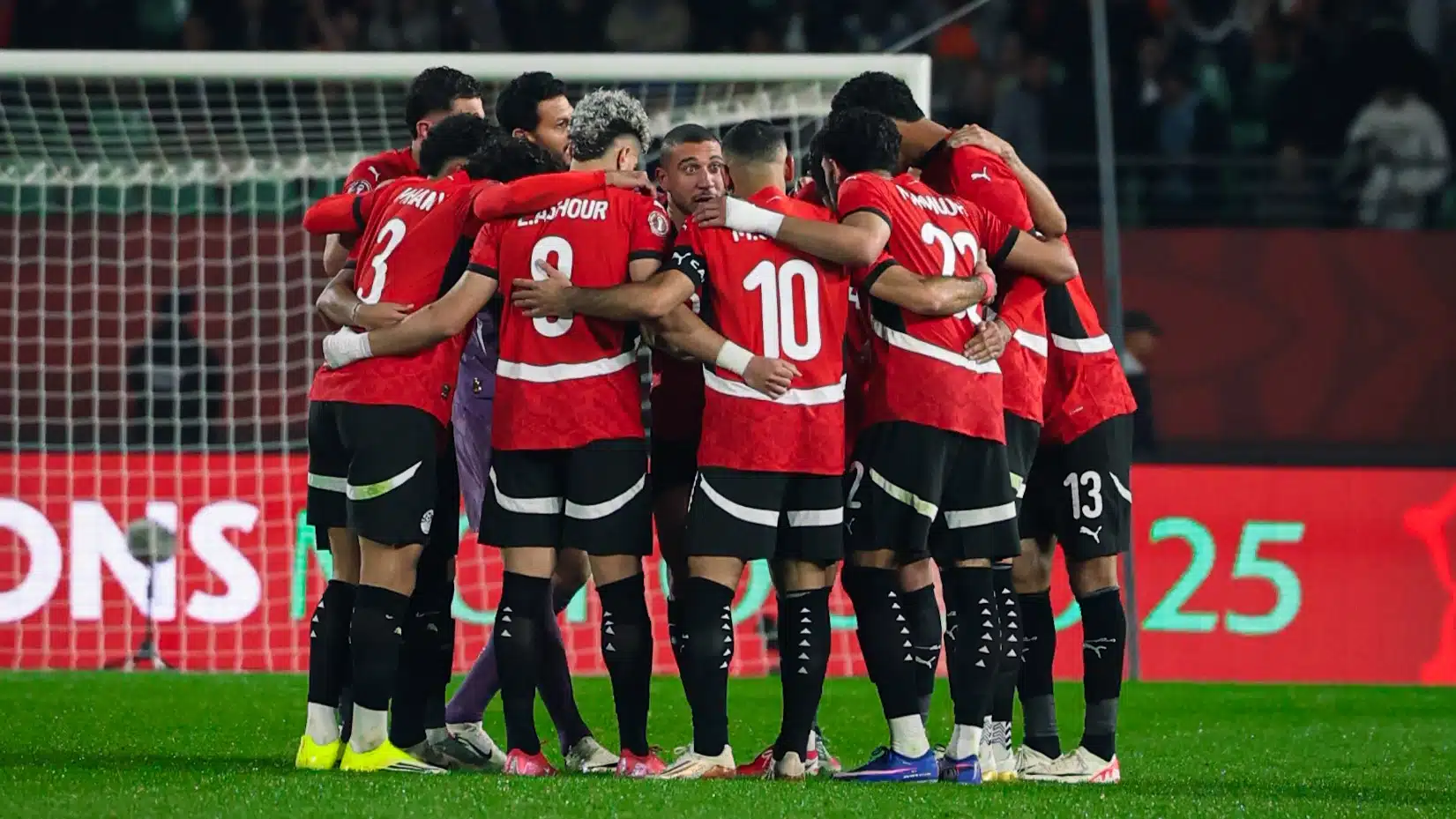
Egypt’s Africa Cup of Nations campaign came to a frustrating end in the semifinals on Thursday, as Sadio Mané’s 78th-minute strike sent Senegal into the final.
Beyond the heartbreak of elimination, Egypt’s performance highlighted a glaring weakness: their attack produced the second-lowest number of shots in the entire 2025 tournament. Only Nigeria, with two attempts against Morocco later the same evening, fared worse.
Minimal attacking threat
The match was billed as a duel between Africa’s finest forwards – Mohamed Salah and Sadio Mané. While Mané played a central role for Senegal, orchestrating most of their dangerous first-half moves and pressing effectively, Salah struggled in Egypt’s rigid 3-5-2 formation.
The Liverpool star failed to register a single shot on target or off target and did not create a scoring opportunity. Egypt’s only shot on target arrived in stoppage time, from Omar Marmoush, a stark reflection of the team’s inefficiency in the final third.
In total, Egypt managed only three attempts – making it the second-poorest attacking display of the tournament and underscoring how far they were from breaking down Senegal’s disciplined defense.
Structural and tactical deficiencies
Egypt’s approach mirrored their previous match against Ivory Coast, with Salah and Marmoush leading the line. However, unlike the Ivory Coast game, there was no early breakthrough to settle nerves.
The team repeatedly lost possession shortly after winning the ball, forcing constant defensive pressure. Midfielders Hamdi Fathi and Marwan Attia struggled to retain possession, leaving Egypt unable to string together more than a handful of passes.
The strategy relied heavily on long balls aimed at Marmoush, who is not dominant in aerial duels, resulting in Senegal winning the majority of second balls and countering with efficiency.
Senegal dominance and Egypt’s missed opportunities
Senegal controlled the game, preventing Egypt from registering meaningful chances until deep into stoppage time. Despite Mané not being prolific in finishing, his movement, pressing, and link-up play facilitated most of Senegal’s dangerous moments.
Egypt’s reliance on ineffective long passes and a lack of creative midfield supply left Salah isolated and unable to influence the game.
By contrast, Senegal’s cohesion and tactical discipline ensured the West African side maintained control and secured a deserved 1-0 victory, advancing to the final to face the winner of Morocco versus Nigeria.
The result means Egypt will contest the third-place playoff for the first time since 1984, leaving fans and critics questioning how a squad boasting Salah, Marmoush, and other experienced internationals could produce such limited attacking output on one of Africa’s biggest stages.

Popular News



-
AFCON 2025: Fixtures, Results, Scores and Standings
Jan 18, 2026 -

Leadership and long-term vision key to rescuing Zamalek and inspiring Egyptian football – Hany Abou Rida
Nov 5, 2025 -

South African giants Orlando Pirates set to lose influential forward Monnapule Saleng
Mar 19, 2025 -

Full schedule for 2025 Africa Cup of Nations in Morocco confirmed
Feb 12, 2025
-

LIVE UPDATES: D.R Congo 1-0 Jamaica – 2026 FIFA World Cup Playoffs
Mar 31, 2026 -
Cameroon defeat China 2-0 in FIFA Series clash
Mar 31, 2026 -

Africa’s 2026 World Cup Teams: Fixtures and Results for March friendly games
Apr 1, 2026 -

Zimbabwe defender Teenage Hadebe dropped after code of conduct breach
Mar 30, 2026