SAFCA calls for accredited chaplaincy after concerns over Kaizer Chiefs youngster Abrahams
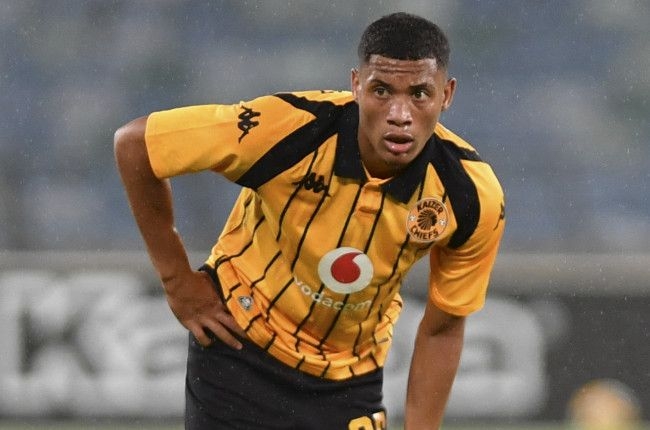
The South African Football Coaches Association (SAFCA) has urged football authorities to introduce accredited sports chaplaincy across the country after developments involving Kaizer Chiefs youngster Faiz Abrahams highlighted concerns about player welfare.
SAFCA said South African football needed to give greater attention to the psychological wellbeing of young players, particularly those dealing with the pressure and uncertainty that come with trying to establish professional careers.
In a media statement issued on Thursday, the association said mental health support should be treated as part of player development, alongside technical and tactical coaching. It described the absence of such provision within the country’s football structures as a significant gap.
The call comes after reports that Abrahams’ future in the game has become uncertain following his return from Israel. According to Soccer Laduma’s sister publication KickOff, the 21-year-old failed to report back to Amakhosi as expected over the weekend.
His father, Muneer Abrahams, has raised concerns about changes in his son’s behaviour and his overall wellbeing. The family’s account has placed renewed focus on the difficulties young players can experience away from the pitch, including the impact of setbacks and the demands of professional football.
SAFCA said youth development programmes should do more to prepare players for the psychological effects of rejection, injury and the possibility that their careers may end earlier than expected.
The association also highlighted the pressures within football academies. Players may spend years shaping their identity around the sport before confronting the possibility that they will not make it professionally, SAFCA said. Without adequate support during that transition, the consequences for young athletes could be long-lasting.
Coaches, meanwhile, are often expected to provide emotional support and personal guidance in addition to their technical responsibilities. SAFCA said they may not always have the training required to take on those roles.
Its proposed response is the formal recognition and adoption of sports chaplaincy. The scheme would offer players, their families and football staff access to an independent support structure.
SAFCA wants the South African Football Association (SAFA), the PSL and football academies to work towards recognising accredited sports chaplaincy. It also called for clubs and development structures to establish suitable support networks.
The association’s proposals include stronger safeguarding measures, education about life beyond football and structured aftercare for players who leave professional development environments.
SAFCA said it was prepared to work with football authorities and academy directors across all nine provinces to help establish those services.
The circumstances surrounding Abrahams remain a private matter for the player and his family. However, SAFCA said the situation had again underlined the need to look beyond footballing ability when developing and supporting young talent.
Its position is that developing footballers must also involve protecting the individuals behind the players.
-
 SAFCA calls for accredited chaplaincy after concerns over Kaizer Chiefs youngster Abrahams Nov 18, 2026
-
Adel Amrouche remains open to coaching move in South Africa Nov 18, 2026
-
Andre Zambo-Anguissa prioritises Marseille return as Sunderland and Juventus show interest Nov 18, 2026
-
Paulo Duarte claims Guinea would have qualified for AFCON 2027 under different rules Nov 18, 2026



-
AFCON 2025: Fixtures, Results, Scores and Standings Jan 18, 2026
-
Match hero Taiwo Awoniyi reflects on team effort after Chelsea triumph May 5, 2026
-
Leadership and long-term vision key to rescuing Zamalek and inspiring Egyptian football – Hany Abou Rida Nov 5, 2025
-
South African giants Orlando Pirates set to lose influential forward Monnapule Saleng Mar 19, 2025




-
AFCON 2027 Qualifiers: Benni McCarthy likens Kenya’s clash with South Africa to ‘David versus Goliath’ Nov 13, 2026
-
Morocco aim to extend lead against Niger in 2027 Africa Cup of Nations qualifier Nov 13, 2026
-
Serbia v Germany: Vlahovic absence adds to pressure on Klopp’s side Nov 12, 2026
-
AFCON 2027 Qualifiers: Pitso Mosimane warns South Africa against dangerous Kenya Nov 13, 2026