SAFCA calls for sports chaplains to support South African youth footballers
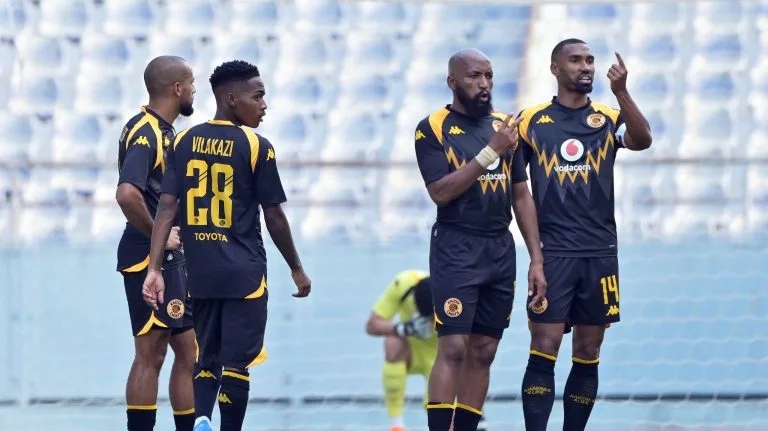
The South African Football Coaches Association (SAFCA) has urged the South African Football Association (SAFA) and Premier Soccer League (PSL) leadership to introduce formal mental health support for young footballers across the country.
The call follows recent developments involving Kaizer Chiefs winger Faiz Abrahams, who is reported to have gone AWOL from the club’s camp before their Carling Knockout Cup semi-final against Mamelodi Sundowns this coming weekend.
In a lengthy statement issued on Tuesday morning, SAFCA said accredited sports chaplaincy should become part of the domestic football system to help players dealing with mental health difficulties and psychological trauma.
SAFCA, which was established in 1992 as the professional body representing football coaches nationwide, said the issue had raised a broader question over how player development can include mental health support while improving performance.
The organisation warned that the neglect of welfare beyond technical training was causing serious psychological harm to aspiring professionals. It said youth academies operated through a highly competitive system in which 99.9% of entrants were eventually rejected, while more than 50% of enrolled boys were released before the age of 16.
In South Africa, SAFCA said, fragmented academy pathways often meant players were deselected without formal exit procedures or psychological aftercare. Commercial pressures could also encourage the early sale of promising players, treating them as financial commodities rather than developing them as individuals.
Players who specialise in football between the ages of five and 10 were described as being particularly vulnerable to “Athletic Identity Foreclosure” – a condition in which self-worth becomes almost entirely tied to the sport.
SAFCA said deselection or a career-ending injury could then cause a sudden collapse in identity, bringing severe emotional trauma, public shame and harmful coping mechanisms such as substance abuse.
The association also said coaches were being placed under unreasonable pressure. A lack of resources meant technical staff were often expected to act as tacticians, surrogate parents, disciplinarians and counsellors, despite not having the clinical or pastoral training required to assess and manage psychological crises.
That burden, SAFCA warned, could damage both player welfare and football development, leaving young athletes vulnerable to despondency.
It believes sports chaplaincy could provide the necessary support. The service involves ongoing pastoral and spiritual care, delivered with permission to people of all faiths or no faith.
SAFCA’s proposals include requiring SAFA national, SAFA Cape Town and provincial bodies to recognise sports chaplaincy in club licensing regulations as a mandatory welfare measure.
It also wants PSL, NFD and youth academies to work with accredited chaplaincy networks, using vetted volunteers operating under child safeguarding requirements and multi-faith codes of practice.
The association has further called for dual-identity education, balancing academic and football development as modelled by the Transnet School of Excellence, along with structured counselling for players after their release.
SAFCA said it was ready to work with SAFA, the PSL and academy directors in all nine provinces to establish accredited sports chaplaincy protocols.
-
 SAFCA calls for sports chaplains to support South African youth footballers Nov 18, 2026
-
Kaizer Chiefs without Inacio Miguel for Carling Knockout semi-final Nov 18, 2026
-
Hugo Broos says he regrets wording of Mbekezeli Mbokazi remarks Nov 18, 2026
-
2027 AFCON qualifiers: Gernot Rohr celebrates Benin qualification with two matches to spare Nov 18, 2026


-
AFCON 2025: Fixtures, Results, Scores and Standings Jan 18, 2026
-
Match hero Taiwo Awoniyi reflects on team effort after Chelsea triumph May 5, 2026
-
Leadership and long-term vision key to rescuing Zamalek and inspiring Egyptian football – Hany Abou Rida Nov 5, 2025
-
South African giants Orlando Pirates set to lose influential forward Monnapule Saleng Mar 19, 2025




-
Morocco v Niger: Lions of the Atlas seek another win in CAN 2027 qualifying Nov 11, 2026
-
Nael El Aynaoui withdraws from Morocco squad for Niger clash over fitness issues Nov 11, 2026
-
AFCON 2027 Qualifiers: Benni McCarthy likens Kenya’s clash with South Africa to ‘David versus Goliath’ Nov 13, 2026
-
Morocco aim to extend lead against Niger in 2027 Africa Cup of Nations qualifier Nov 13, 2026