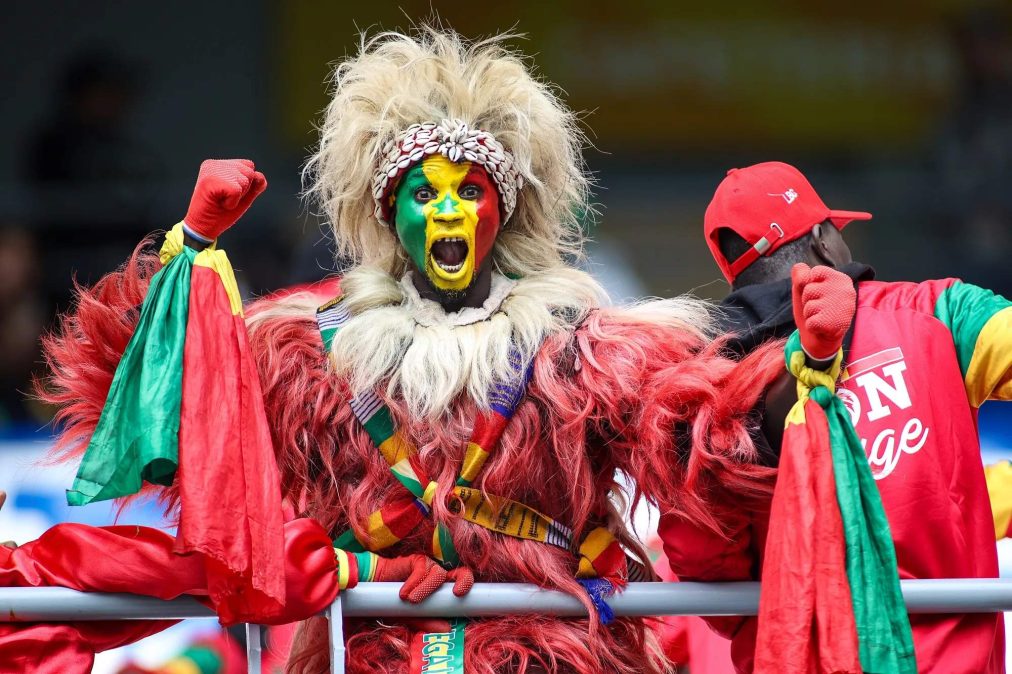
Senegal’s Football Federation (FSF) has apologised to supporters who faced serious problems entering Leopold Sedar Senghor Stadium for the 4-1 win over Sudan, despite saying there was no evidence of tickets being oversold.
The match, which leaves Senegal with one foot at the 2027 Africa Cup of Nations, was the first time the federation had used a fully digital ticketing system. However, supporters with valid tickets reported waiting for hours outside the stadium, while others were unable to reach their allocated seats because they were already occupied.
The FSF issued a statement on Friday, 13 November, outlining its account of what happened and promising corrective measures.
It said 41,994 tickets had been sold from the 43,569 issued for the match, representing 96% of the stadium’s capacity. The federation added that the total revenue was 258,873,000 CFA francs.
The figures were released in response to suspicions from some supporters that more tickets had been sold than there were available places. The FSF defended its decision to move to digital ticketing, saying the aim was to improve the “security of transactions and control of the distribution chain by reducing as much as possible speculative practices around national-team matches”.
However, the federation acknowledged that the large attendance had been accompanied by significant operational problems.
“This popular success must not, however, conceal the problems that were observed,” it said, while offering “its sincere apologies to supporters who experienced difficulties accessing Leopold Sedar Senghor Stadium”.
Several fans also described confusing situations on social media, including claims that people holding tickets had been refused entry or had found other spectators occupying their seats.
Orange Senegal, which was responsible for the digital ticketing system, was asked whether more tickets had been sold than the stadium could accommodate.
“We did not sell more tickets. Access to the stadium is ensured by the competent authorities,” the company said.
The FSF’s published figures do not indicate overselling: the number of tickets purchased was lower than the number issued. They do not, however, explain all of the problems reported at the entrances and inside the stands.
Digital ticketing can help reduce illegal resale and provide greater transparency, but its effectiveness also relies on the quality of the entry arrangements, checks and staffing in place on match day.
The difficulties at this first major implementation have highlighted areas that need attention. For future matches, the FSF and its partners will need to plan more effectively for ticket checks, supporter movements and the number of staff deployed.
The federation’s digital system is intended to make entry easier for supporters, rather than create further obstacles when they arrive at the stadium.
-
 Senegal FA apologises after digital ticketing problems at Leopold Sedar Senghor Stadium Nov 14, 2026
-
Medhi Benatia accuses Pablo Longoria of lying over Marseille finances Nov 14, 2026
-
Man United beat rivals to sign England youth international Tyler Adjei from Reading Nov 14, 2026
-
2027 AFCON qualifiers: Mohamed Ouahbi praises Morocco’s attacking display after Niger victory Nov 14, 2026


-
AFCON 2025: Fixtures, Results, Scores and Standings Jan 18, 2026
-
Match hero Taiwo Awoniyi reflects on team effort after Chelsea triumph May 5, 2026
-
Leadership and long-term vision key to rescuing Zamalek and inspiring Egyptian football – Hany Abou Rida Nov 5, 2025
-
South African giants Orlando Pirates set to lose influential forward Monnapule Saleng Mar 19, 2025




-
Ali Maher names first Egypt squad for 2027 Africa Cup of Nations qualifiers Nov 9, 2026
-
Morocco v Niger: Lions of the Atlas seek another win in CAN 2027 qualifying Nov 11, 2026
-
CAN 2027 qualifying: Cote d’Ivoire-Gambia and Mali-Rwanda headline third round Nov 9, 2026
-
FIFA U17 World Cup 2026: TV channels, streaming and full match schedule Nov 8, 2026