Real Madrid forecast record finances as new Bernabeu, sponsors and academy boost income
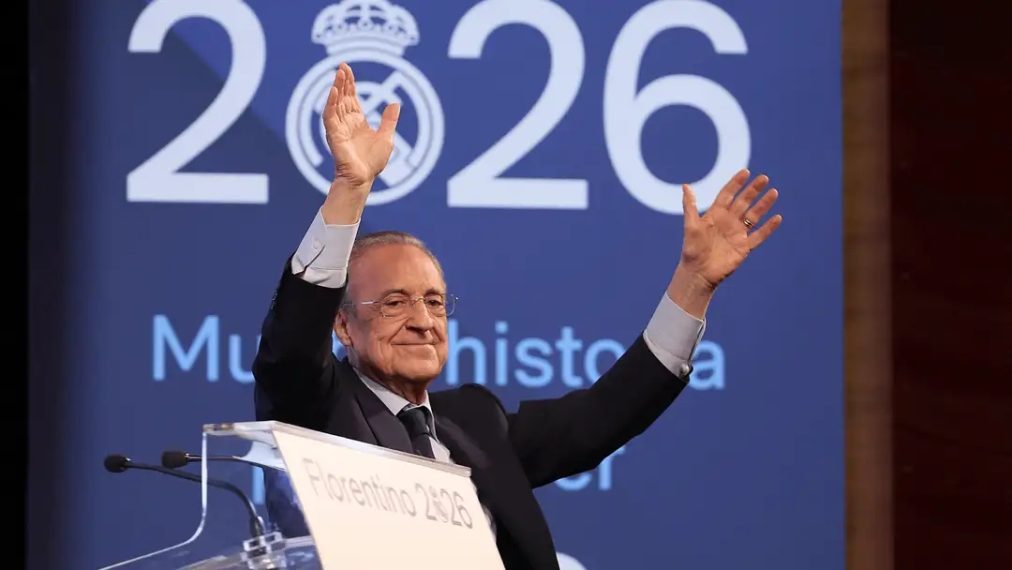
Real Madrid is targeting revenue of about €1.4bn this season as it seeks to strengthen its financial position through the Santiago Bernabeu, sponsorship agreements and player sales.
The club recorded a record €1.221bn in revenue last season, according to figures reported by AS, a total described as unprecedented among sporting institutions.
Real Madrid is also aiming to end the current financial year with a net profit of €14.2m. The accounts for last season and the new €1.248bn budget will be presented to club members for approval at a meeting on Saturday 21 November.
The redeveloped Santiago Bernabeu is expected to make the biggest contribution to the projected growth. Real Madrid forecasts €420.1m in commercial revenue linked to the stadium, whose redevelopment cost the club about €1.4bn.
The club expects to make fuller use of the new facilities from next January, with additional income anticipated from commercial and leisure activities and the hosting of events. The aim is to make the Bernabeu a regular source of revenue beyond its traditional matchday earnings.
Sponsorship and commercial partnerships
Sponsorship is another key part of Real Madrid’s plans, with revenue from the sector expected to rise by 22% after new agreements were signed with major companies including Adidas and Emirates.
The club has also entered partnerships with Hotels.com and Uber Eats, while renewing sponsorship deals with Orange and San Miguel. The agreements reflect the continued commercial appeal of the Real Madrid brand and its global following.
A partnership with the US hotel-booking platform Hotels.com is intended to create exclusive experiences for visitors to the Santiago Bernabeu. That arrangement is expected to help the club develop stadium tourism and turn visits into another source of income.
Real Madrid’s marketing budget for next season is €534m, underlining the scale of its investment in expanding the club’s commercial presence around the world while increasing returns from the stadium, sponsorship and transfers.
Academy provides further income
The club’s academy at Valdebebas has also become an important sporting and financial asset. Alongside developing young players, it helps Real Madrid generate income by moving on those who do not secure a regular place in the first team.
Gonzalo Garcia, Cesar Palacios, Nico Paz, Jacobo Ortega and Victor Munoz are among the academy graduates whose departures have highlighted the club’s approach to developing and selling talent.
Player sales are forecast to generate about €154.8m during the current financial year. The figure shows how transfers involving academy graduates have become a central part of Real Madrid’s financial planning, rather than simply a way of reducing the number of players outside the first-team plans.
The club’s projected €1.4bn income therefore depends on several strands, with the Santiago Bernabeu, Valdebebas academy and sponsorship agreements forming the main pillars of a wider plan that also targets a €14.2m net profit.
-
 Anthony Da Silva: Mali coach targets historic Africa Cup of Nations and World Cup breakthrough Nov 12, 2026
-
Newcastle handed fresh opportunity to sign Moroccan star Bilal El Khannouss Nov 12, 2026
-
Cameroon host Namibia in CAN 2027 qualifier – kick-off time and TV details Nov 12, 2026
-
Senegal suffer Pape Alassane Guèye absence for Sudan AFCON qualifier Nov 12, 2026


-
AFCON 2025: Fixtures, Results, Scores and Standings Jan 18, 2026
-
Match hero Taiwo Awoniyi reflects on team effort after Chelsea triumph May 5, 2026
-
Leadership and long-term vision key to rescuing Zamalek and inspiring Egyptian football – Hany Abou Rida Nov 5, 2025
-
South African giants Orlando Pirates set to lose influential forward Monnapule Saleng Mar 19, 2025




-
Manchester United host Aston Villa as both sides seek a Premier League lift Nov 6, 2026
-
Ali Maher names first Egypt squad for 2027 Africa Cup of Nations qualifiers Nov 9, 2026
-
Atletico Madrid host Barcelona in Liga summit clash with history at stake Nov 6, 2026
-
Nottingham Forest v Manchester City: City Ground hosts clash at opposite ends of the table Nov 6, 2026