Chelsea’s struggles under Xabi Alonso raise fresh questions over Real Madrid decision
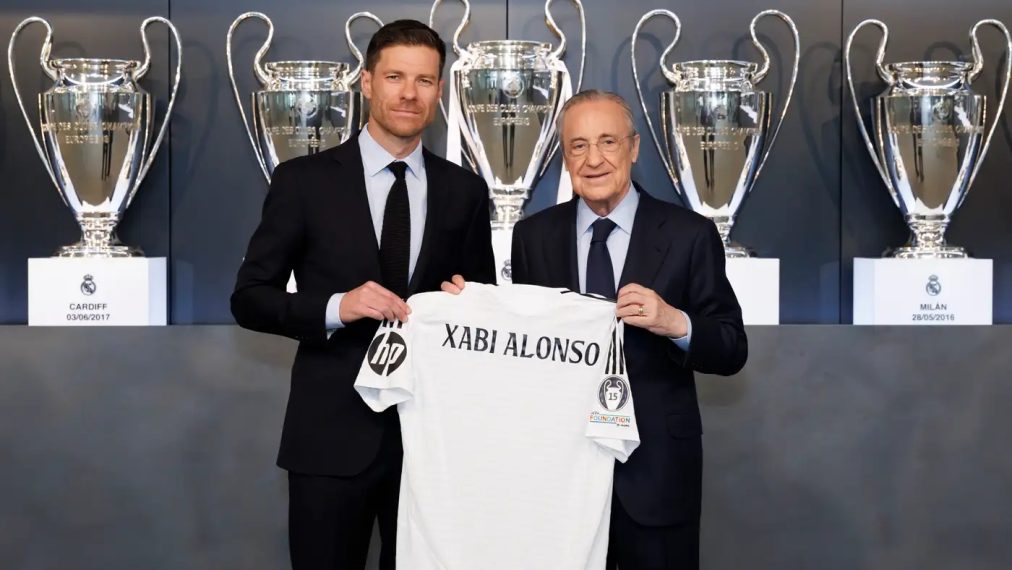
Chelsea’s difficult start under Xabi Alonso has intensified scrutiny of the Spanish manager, with a 1-0 defeat by Sunderland then bottom of the Premier League highlighting the team’s lack of a clear identity after 10 matches.
Chelsea have won five of those games, drawn one and lost four. The record is particularly concerning given the club are not competing in Europe this season, meaning Alonso has had more time to prepare his squad than several rivals facing additional fixtures.
The defeat by Sunderland has increased pressure on the manager and raised doubts about whether he can build a side capable of challenging near the top of the table. The concern is not limited to results. Chelsea have yet to establish a consistent style of play or a settled starting line-up, with frequent changes suggesting Alonso has not found a group he fully trusts to carry out his plans.
Injuries may have contributed to that instability, particularly the absence of Joao Pedro, whose involvement would add significantly to the attack. Losing an important player can force repeated changes to both personnel and roles, but injuries alone do not fully explain Chelsea’s decline.
Alonso must find alternatives and give the team a recognisable character that can survive periods without key players. Chelsea’s sizeable squad should provide him with a range of options, yet the players still appear unclear about their responsibilities in different match situations. That has left the team looking markedly different from one game to the next.
How much time will Chelsea allow?
The central issue is now whether Chelsea’s hierarchy will give Alonso enough time to build a genuine project. Mikel Arteta’s work at Arsenal is an example of a manager requiring several seasons, and suitable recruitment, before his ideas began to produce results. Arsenal endured difficult periods before becoming serious contenders for major honours.
Jurgen Klopp’s spell at Liverpool offers another illustration of the patience involved in building a successful team. The German needed time to develop his squad before restoring the club’s position domestically and in Europe. Such projects require a clear vision, sustained backing and confidence during difficult periods.
Chelsea, however, have not recently been associated with long-term managerial stability. Their managers have often faced swift decisions when results deteriorate, leaving Alonso with a demanding test. The club must decide whether to support him with the time and players needed to complete his work or begin searching for another project before this one has developed.
The loss to Sunderland makes visible improvement in the coming matches increasingly important, even if judging a manager solely on early results would be premature.
Alonso’s problems have also reopened debate over Florentino Perez’s decision to dismiss him from Real Madrid around a year ago, after a defeat by Barcelona in the Spanish Super Cup final. That move attracted substantial criticism, with many believing Alonso had not been given enough time following his successful period with Bayer Leverkusen.
Chelsea’s current difficulties do not prove Perez was right. Alonso is working with different players in a different environment, and each managerial job brings its own circumstances. Nevertheless, the continuing difficulty in imposing a settled identity has revived questions about whether he was ready to lead a club of Real Madrid’s scale at that stage.
After his departure, Real Madrid finished the season with Alvaro Arbeloa as interim manager before appointing Jose Mourinho. Following the latest international break, the team produced a strong run of results, including a 2-1 Clasico victory over Barcelona at Camp Nou.
That win underlined Real Madrid’s renewed confidence and ability to handle major matches. Yet comparisons with Chelsea require caution: Real Madrid possess greater individual quality, while Chelsea remain a team under construction, and the pressure and nature of competition at the two clubs are different.
For now, the Sunderland defeat is another warning for Alonso. He must improve Chelsea’s results and establish a clear footballing identity, while the club’s history of changing managers leaves little room for continued uncertainty.
-
 Jules Ahoka: Sunderland’s unlikely hero makes rapid rise after Chelsea win Nov 9, 2026
-
FAF to publish accounts amid dispute over Vladimir Petkovic’s Algeria departure Nov 9, 2026
-
Benin and Central African Republic name probable line-ups for 2027 Afcon qualifier Nov 9, 2026
-
Toulouse FC and AC Milan set to terminate David Odogu loan deal Nov 9, 2026




-
AFCON 2025: Fixtures, Results, Scores and Standings Jan 18, 2026
-
Match hero Taiwo Awoniyi reflects on team effort after Chelsea triumph May 5, 2026
-
Leadership and long-term vision key to rescuing Zamalek and inspiring Egyptian football – Hany Abou Rida Nov 5, 2025
-
South African giants Orlando Pirates set to lose influential forward Monnapule Saleng Mar 19, 2025




-
Barcelona host Aston Villa in Champions League meeting at Spotify Camp Nou Nov 2, 2026
-
AEK Athens v Real Madrid: Champions League date, kick-off time and viewing details Nov 2, 2026
-
Manchester United host Aston Villa as both sides seek a Premier League lift Nov 6, 2026
-
Villarreal host unbeaten PSG in first European meeting Nov 2, 2026