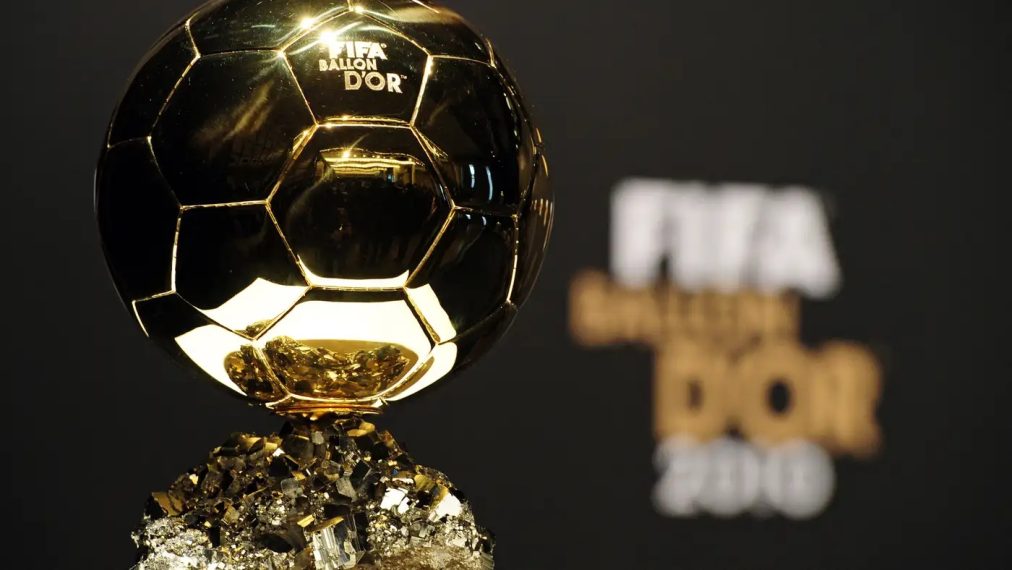
The Amaury Group, owner of France Football, has begun steps towards filing a legal complaint over suspected leaks involving the final Ballon d’Or 2026 rankings.
The move follows a series of unusual bets placed on the exact order of the top five players, raising questions over whether confidential information may have reached some bettors before the results were announced.
According to the report by Le Parisien, 12 accounts were created specifically to bet on the outcome. Together, they staked $264,000 on the correct finishing order, with Harry Kane named first, ahead of Kylian Mbappe, Lamine Yamal, Rodri and Lionel Messi.
The wagers reportedly generated winnings of almost 179,000 euros. That return has increased scrutiny over how the precise ranking was identified, although there is currently no proof that the results were leaked or manipulated.
The Amaury Group said the integrity of the award remained central to its process and emphasised that the winner is selected through an independent vote.
“The integrity of the Ballon d’Or is an absolute priority,” the group said in a statement reported by Le Parisien. “We would like to reiterate that the winner receives the Ballon d’Or following an independent vote.”
It added: “We are treating the allegations concerning a leak of the results and potentially fraudulent betting with the utmost seriousness. Investigations are under way to establish the facts and identify any potential responsibility.”
Further questions were raised by an investigation conducted by the platform Apside. It found that seven of the 12 accounts had never previously placed a bet, while six made their first wagers just 15 minutes after being created.
Those findings remain subject to examination as investigators assess whether the betting activity was based on leaked information or other factors. They will also determine whether any legally actionable responsibility can be established.
The case therefore remains at an early stage. The suspicious betting pattern has prompted the Amaury Group to seek legal scrutiny, but the available evidence has not yet established that confidential Ballon d’Or information was improperly disclosed.
-
 Ethiopia Nigd Bank face Ethiopian Medhin in early-season test Nov 2, 2026
-
Cardoso urges Sundowns fans to stay united through difficult spell Nov 2, 2026
-
SAFA criticised over decision to fund Danny Jordaan’s legal defence Nov 2, 2026
-
Khoza’s dressing-room call showed Arendse the true meaning of the Soweto Derby Nov 2, 2026



-
AFCON 2025: Fixtures, Results, Scores and Standings Jan 18, 2026
-
Match hero Taiwo Awoniyi reflects on team effort after Chelsea triumph May 5, 2026
-
Leadership and long-term vision key to rescuing Zamalek and inspiring Egyptian football – Hany Abou Rida Nov 5, 2025
-
South African giants Orlando Pirates set to lose influential forward Monnapule Saleng Mar 19, 2025




-
Liverpool v Chelsea: Barcola backed at 3.25 in EFL Cup quarter-final clash Oct 26, 2026
-
Le Havre AC host Paris Saint-Germain as Ligue 1 leaders seek another win Oct 28, 2026
-
Liverpool host Chelsea in EFL Cup last-16 clash at Anfield Oct 26, 2026
-
DRC’s Leopardeaux beat Oman 2-0 to reach FIFA U15 World Cup quarter-finals Oct 29, 2026