Africans Born Abroad
African Coaches
Countries
Foreign Leagues
Latest News
Leagues
Sierra Leone
Transfers & Rumours
WAFU A
Zonal Bodies
Why Chelsea must rethink Rosenior gamble before season slips away
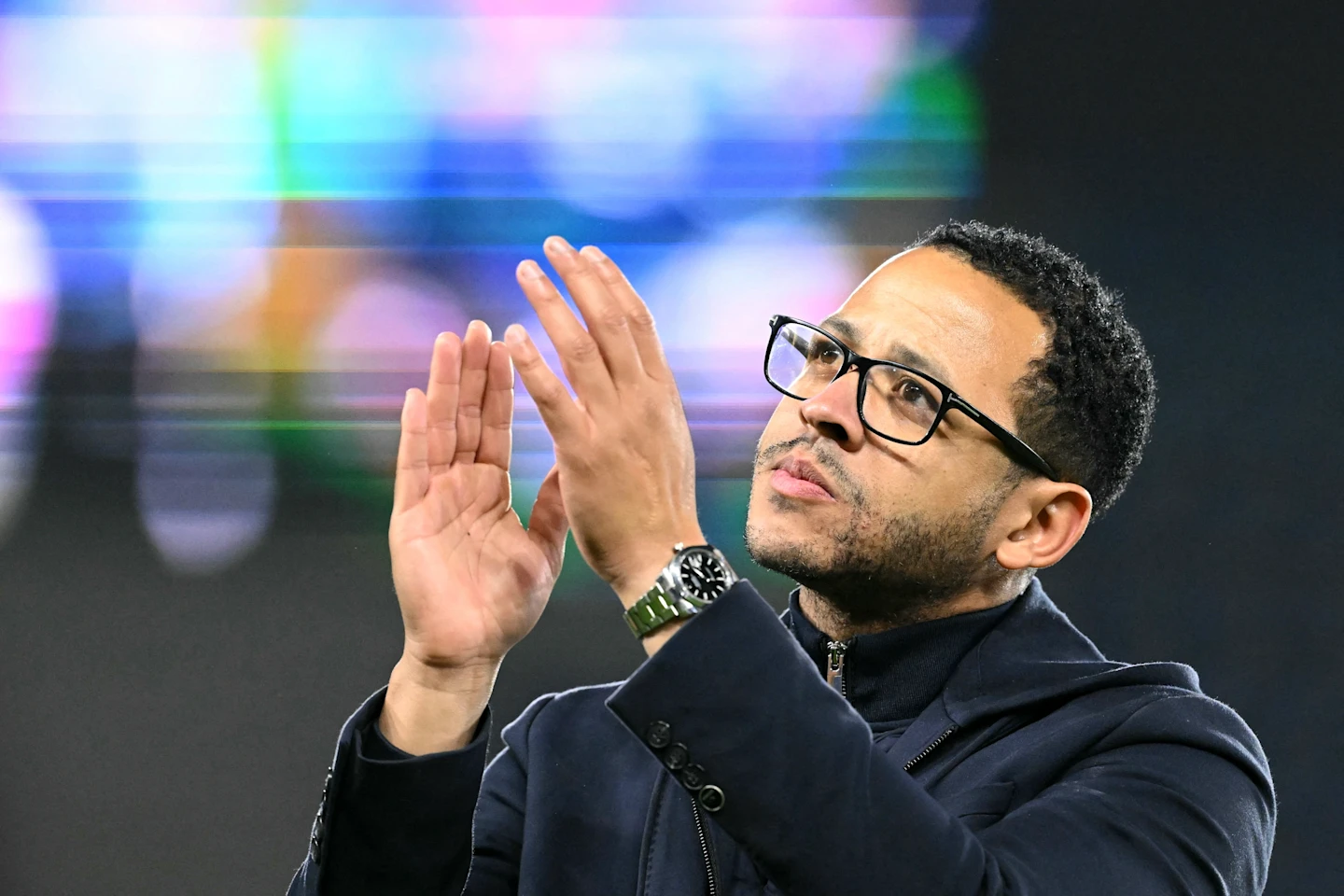
Chelsea find themselves at a familiar crossroads, one shaped as much by boardroom decisions as results on the pitch. The appointment of Liam Rosenior was intended to signal continuity after the departure of Enzo Maresca.
Yet only weeks into his tenure, serious questions are emerging over whether the club acted too hastily in entrusting him with one of the most demanding roles in European football.
Maresca exit raises fresh doubts
Maresca’s exit alone raised eyebrows. The Italian had delivered tangible progress, guiding Chelsea to a major international title and posting a win percentage just shy of the benchmark set by Thomas Tuchel.
In comparison to other recent appointments such as Graham Potter, Frank Lampard and Mauricio Pochettino, his record suggested stability was finally taking hold at Stamford Bridge. That sense of direction, however, quickly dissipated once another managerial change was sanctioned.
A risky long-term bet on Rosenior
The decision to hand Rosenior a six-year contract appeared bold on paper but increasingly risky in practice. His managerial résumé, featuring spells at clubs such as Derby County and Hull City, did not obviously align with the expectations of a club chasing domestic and European honours.
Even his association with Strasbourg, part of the same ownership structure, felt more like internal succession planning than a merit-based elevation.
Alarm bells on the pitch
On the pitch, the early warning signs have been stark. Chelsea’s recent run has exposed a side struggling for identity and cutting edge.
Eliminated heavily by Paris Saint-Germain in the Champions League, the Blues have since failed to score in four consecutive league defeats against Newcastle United, Everton, Manchester City and Manchester United. For a squad assembled at enormous cost, such bluntness in attack is both alarming and unsustainable.
European hopes hanging by a thread
The timing could hardly be worse. With just five matches remaining, Chelsea sit precariously in sixth place, their hopes of securing UEFA Champions League football fading.
Rivals are closing in rapidly, and the margin for error has evaporated. What once looked like a straightforward push for European qualification has become a battle merely to remain in contention.
Authority and dressing room concerns
Beyond results, concerns about Rosenior’s authority are beginning to surface. His public demeanour and decision-making have drawn scrutiny, particularly in handling senior players.
The decision to sideline Enzo Fernandez, reportedly linked with a move to Real Madrid, has been viewed by some as a miscalculation rather than a show of strength. In a dressing room filled with established internationals, perception often carries as much weight as tactics.
Credibility at risk amid instability
There is also the broader issue of credibility. Chelsea’s recent managerial churn has already created an environment of uncertainty, and another misstep risks deepening that instability.
Rosenior’s struggles, fairly or otherwise, have led to a growing sense that he has yet to command the respect required at this level. For a club of Chelsea’s stature, that is a dangerous position to occupy at such a critical stage of the campaign.
Ownership under the spotlight
Responsibility, however, does not rest solely with the head coach. The ownership group has repeatedly opted for change without establishing a clear long-term blueprint.
The pattern of appointing and dismissing managers has left the squad in a constant state of adjustment, undermining any attempt to build sustained momentum.
Time for a decisive call
Yet football rarely affords the luxury of patience when results deteriorate. Chelsea’s immediate priority must be to salvage their season, and that may require difficult decisions. Persisting with a project that shows little sign of short-term improvement could prove more costly than acting decisively.
Rosenior’s ambition and commitment are not in doubt, but the evidence so far suggests the role may have arrived too soon in his managerial journey. For Chelsea, the question is no longer whether he deserves time, but whether the club can afford to give it.
-
 CAF announces dates for Champions League and Confederation Cup group stage draw Oct 26, 2026
 -
RS Berkane set for $700,000 CAF reward after reaching Champions League group stage Oct 26, 2026
-
Ethiopia Bunna 0-1 Mebrat Hayl: visitors claim narrow win in Ethiopia Premier League Round 4 Oct 26, 2026
-
Mbappe double gives Real Madrid victory over Barcelona in thrilling Clasico Oct 26, 2026




-
AFCON 2025: Fixtures, Results, Scores and Standings Jan 18, 2026
-
Match hero Taiwo Awoniyi reflects on team effort after Chelsea triumph May 5, 2026
-
Leadership and long-term vision key to rescuing Zamalek and inspiring Egyptian football – Hany Abou Rida Nov 5, 2025
-
South African giants Orlando Pirates set to lose influential forward Monnapule Saleng Mar 19, 2025




-
Barcelona v Real Madrid: Catalans backed at 1.65 to win October Clasico Oct 23, 2026
-
Barcelona and Real Madrid meet in pivotal 265th Clasico Oct 23, 2026
-
Champions League: PSG beat Barcelona as Liverpool complete comeback against Villarreal Oct 20, 2026
-
Inter Milan v Fiorentina: probable line-ups for San Siro clash Oct 24, 2026