Africans Born Abroad
African Coaches
Countries
Foreign Leagues
Latest News
Leagues
Sierra Leone
WAFU A
Zonal Bodies
I’m planning Chelsea transfer business with management – Rosenior
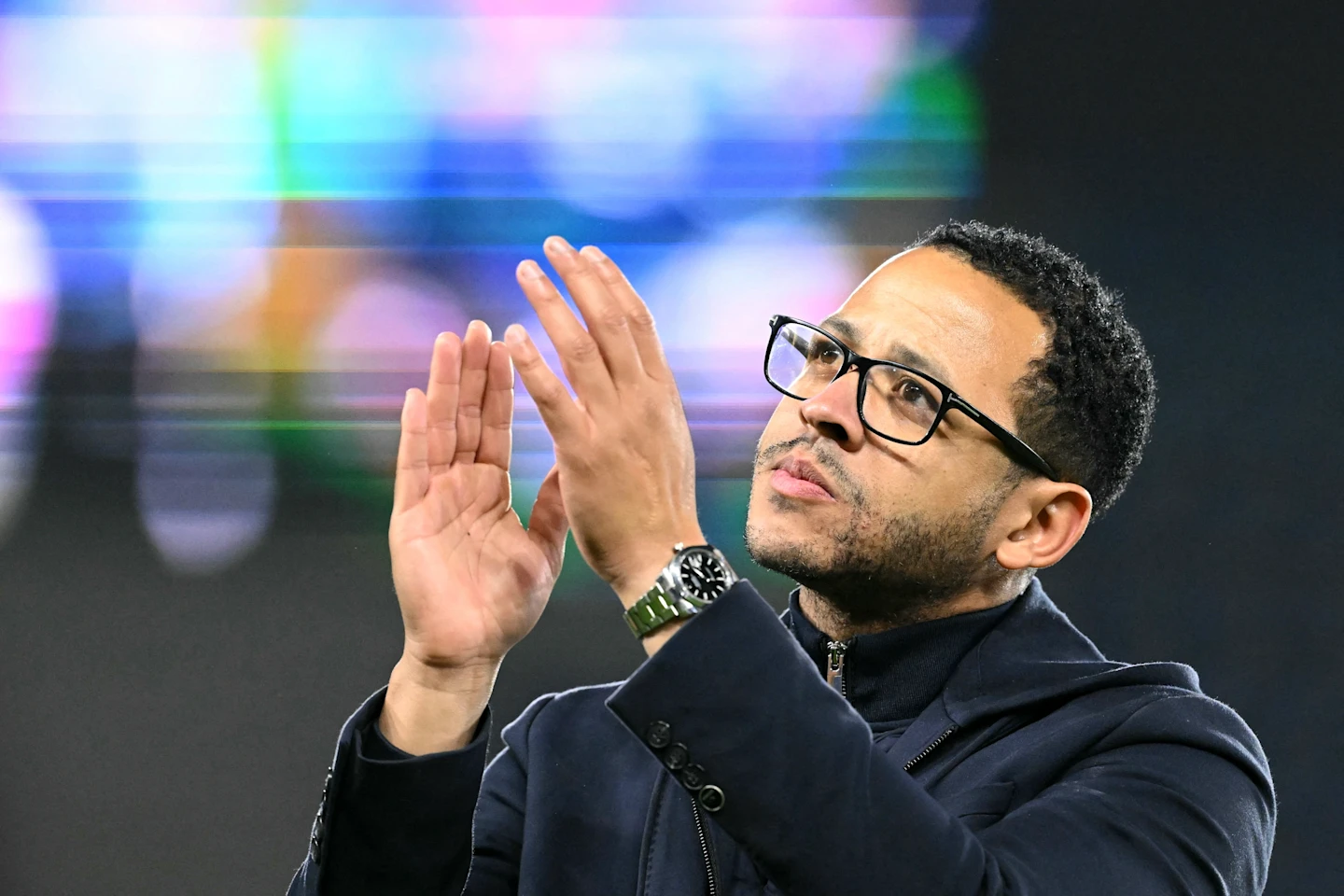
Chelsea head coach Liam Rosenior has underlined his direct involvement in shaping the club’s summer transfer strategy, revealing that internal discussions over recruitment priorities have intensified in recent days.
The 41-year-old made clear that he is not a peripheral voice in decision-making, but actively engaged in defining how the squad should evolve ahead of a crucial rebuild.
The Chelsea manager’s comments come at a delicate moment in the campaign, with results dipping and pressure mounting.
A heavy 3-0 defeat to Manchester City at Stamford Bridge extended a poor run that has seen Chelsea lose four of their last five matches across all competitions, leaving their hopes of securing Champions League qualification hanging in the balance.
Against City, Chelsea were exposed physically in key moments, particularly in the build-up to two of the goals conceded. That vulnerability has sharpened the focus on squad balance, with questions raised about whether the current group possesses the strength and robustness required to compete consistently at the highest level.
Rosenior acknowledged those concerns and indicated they are already being addressed behind the scenes.
“Yeah, even over the last week, we’ve had lots of detailed conversations about what we need to look like moving forward from the summer window,” he said.
“You talk about all different aspects of the game — physicality, technicality, positional things.”
The head coach’s remarks suggest a holistic review rather than a narrow fix, with Chelsea assessing multiple dimensions of performance as they prepare for the market.
Recruitment is expected to be active on both sides, with incoming reinforcements likely to be balanced by departures as the club seeks to refine its squad profile.
The timing of the upcoming window adds another layer of complexity. Scheduled to open on June 15, negotiations could be influenced by international commitments, particularly with the World Cup on the horizon.
Additionally, Chelsea’s transfer flexibility may hinge on whether they secure Champions League football, given the financial implications tied to participation and the constraints of profitability and sustainability regulations.
-
 South Africa name starting XI for Egypt friendly as Pitso Mosimane makes changes Oct 4, 2026
 -
Kaizer Chiefs, AmaZulu and Sundowns Ladies secure Engen Champ of Champs semi-final places Oct 4, 2026
-
South Africa U23 held by Algeria as Kaizer Chiefs’ Luke Baartman is forced off Oct 4, 2026
-
Mosimane urges patience with youngsters before South Africa face Egypt Oct 4, 2026




-
AFCON 2025: Fixtures, Results, Scores and Standings Jan 18, 2026
-
Match hero Taiwo Awoniyi reflects on team effort after Chelsea triumph May 5, 2026
-
Leadership and long-term vision key to rescuing Zamalek and inspiring Egyptian football – Hany Abou Rida Nov 5, 2025
-
South African giants Orlando Pirates set to lose influential forward Monnapule Saleng Mar 19, 2025




-
AFCON 2027 Qualifiers: McCarthy warns South Africa to expect tough test against Eritrea Sep 29, 2026
-
Denmark v Portugal: Nations League kick-off time, TV channel and match prediction Sep 29, 2026
-
South Sudan vs Egypt: Where to watch AFCON 2027 qualifier Sep 29, 2026
-
Spain and Croatia name experienced line-ups for Nations League clash Sep 28, 2026