Best Practices for Writing Invitation Copy That Guests Actually Read

An invitation sets expectations before guests arrive. It shapes the tone, reflects the effort behind the event, and signals whether the gathering deserves a place on the calendar.
Many hosts focus on design and templates, yet the wording often decides whether someone reads with interest or skims and moves on.
Attention spans are short, and digital communication moves fast. People scroll through messages the way they scan headlines about travel, tech, or online betting live casino platforms.
If the text fails to capture interest within seconds, it disappears into the background. Clear, focused copy keeps the invitation visible and compelling.
Start With the Essential Information First
A clear structure respects your guest’s time. Place key details at the top so readers understand the basics without effort. Use short sections and clean spacing to improve readability, especially on mobile screens.
The “Five Must-Include” Details
Every invitation should include these core elements:
● What the event is
● Date and exact start time
● Location or virtual access details
● Dress code or theme, if relevant
● RSVP deadline and response method.
These points remove uncertainty. Guests should understand the logistics within seconds. Extra flair can follow, but clarity must come first.
Write a Headline That Sets the Tone
The opening line shapes first impressions and signals what kind of experience guests can expect.
A playful birthday party calls for light, energetic wording, while a formal anniversary dinner requires a more refined tone.
Corporate events should communicate purpose and professionalism from the start.
When the headline aligns with the nature of the gathering, it creates clarity and builds confidence in the event.
Keep It Short — But Not Vague
Brevity improves readability, yet cutting too much detail creates confusion. Guests should understand what makes the event special without reading a long backstory. Aim for concise sentences that move naturally from one idea to the next.
Avoid These Common Copy Mistakes
Watch for patterns that weaken your message:
● Lengthy personal history that distracts from the event
● Inside jokes that exclude some guests
● Overly dramatic punctuation or all caps
● Unclear time references such as “this Saturday” without a date
● Excessive adjectives that blur the main point.
Clear wording strengthens credibility and keeps attention focused on the event itself. Precision makes the message easy to trust and respond to.
Make the Guest Feel Personally Invited
People respond to invitations that feel intentional. Address guests directly and use inclusive language.
A simple phrase such as “Join us for dinner” creates a warmer impression than distant, formal wording.
Connection increases the likelihood of attendance.
When the message feels specific and genuine, guests sense that their presence matters. That emotional signal often influences the final decision to RSVP.
Highlight What Makes the Event Worth Attending
Every gathering has a hook. It may involve a unique theme, a special guest, live music, or a milestone worth celebrating. Identify the strongest element and bring it forward in one clear sentence.
Guests decide quickly whether an event fits their interests and schedule. A compelling detail helps them picture the experience.
Clarity about the highlight builds excitement and distinguishes your invitation from routine messages.
Include a Strong, Clear Call to Action
A clear RSVP request removes hesitation. State exactly what guests should do and by when. Specific language guides action and reduces delays.
“Please RSVP by June 10” works better than “Let us know if you can make it.” A firm deadline communicates organization and helps guests prioritize a response.
Confidence in the wording encourages commitment.
Edit for Clarity Before Sending
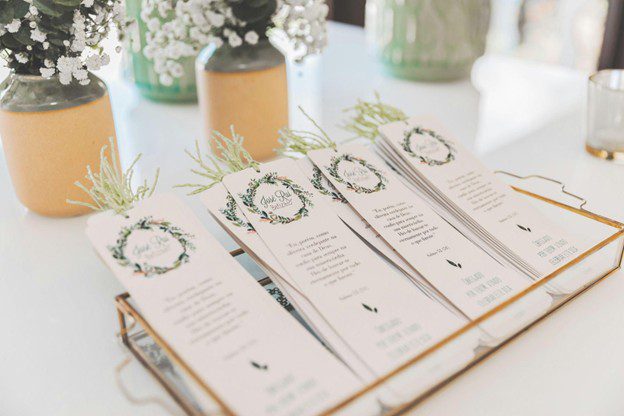
Review the invitation with fresh eyes. Check that all essential details appear near the top.
Confirm that the tone matches the event. Shorten sentences that feel heavy or repetitive.
Read the text once on a phone screen. If any part feels confusing or crowded, revise it. Small adjustments often improve readability and impact.
Words That Turn Invitations Into Yes
Invitation copy influences attendance more than many hosts realize.
Clear structure, thoughtful tone, and direct language create momentum.
Guests appreciate messages that respect their time and communicate purpose.
Strong wording removes hesitation and encourages a positive response.
-
 Ismaila Sarr attracts Galatasaray and Manchester United interest as Crystal Palace exit looms Oct 26, 2026
 -
Strasbourg midfielder Pape Demba Diop in line for Senegal call-up Oct 26, 2026
-
Red Arrows coach Chisi Mbewe rewarded with Toyota Mark X after Kaizer Chiefs upset Oct 26, 2026
-
Evidence Makgopa earns Abdeslam Ouaddou praise after Orlando Pirates brace Oct 26, 2026


-
AFCON 2025: Fixtures, Results, Scores and Standings Jan 18, 2026
-
Match hero Taiwo Awoniyi reflects on team effort after Chelsea triumph May 5, 2026
-
Leadership and long-term vision key to rescuing Zamalek and inspiring Egyptian football – Hany Abou Rida Nov 5, 2025
-
South African giants Orlando Pirates set to lose influential forward Monnapule Saleng Mar 19, 2025




-
Barcelona v Real Madrid: Catalans backed at 1.65 to win October Clasico Oct 23, 2026
-
Barcelona and Real Madrid meet in pivotal 265th Clasico Oct 23, 2026
-
Champions League: PSG beat Barcelona as Liverpool complete comeback against Villarreal Oct 20, 2026
-
Inter Milan v Fiorentina: probable line-ups for San Siro clash Oct 24, 2026