Vinicius Jr says young players are not prepared for sudden fame
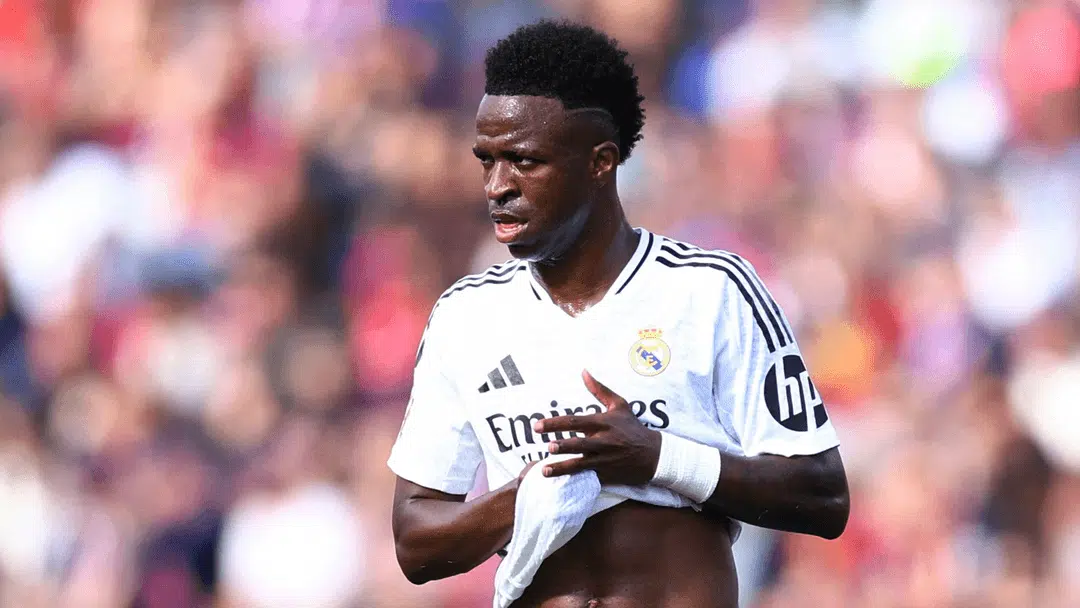
Vinícius Júnior has spoken about the challenges of fame after renewed criticism over his conduct during matches for Real Madrid CF.
The Brazilian winger, who has frequently faced scrutiny regarding his interactions with supporters and opponents, addressed the issue in an interview with streamer Ibai Llanos.
Vinicius insisted that sudden global recognition can be difficult for a young footballer to manage, particularly when attention extends beyond performances on the pitch.
“When you’re very young, you don’t learn how to become famous. I went from nothing to becoming famous without being able to go out in the street. The good side is that people like you a lot. But the bad side is the press and opposing fans. You have to be ready to hear everything, not just the positive ,” the Brazilian confided.
The 23-year-old has become one of the most recognisable figures in European football, with his displays regularly placing him at the centre of matches both sporting and emotional.
🚨 Vinícius Jr. needs 3 G/A more in this year’s UCL to become only the 2nd player EVER to produce 5 consecutive seasons of 10 G/A in the Champions League.
Only Cristiano Ronaldo has done it before; 10/11 to 17/18 (8 seasons in a row). @DonShelby__
Legend. ⭐️ pic.twitter.com/54vqzAGiUc
— Madrid Zone (@theMadridZone) February 16, 2026
However, those same moments have also brought repeated debate about his reactions during games.
His comments underline the broader pressures placed on elite players whose rise to prominence happens rapidly, particularly at clubs with worldwide attention.
For Vinicius, the issue is not simply performance, but learning to navigate public exposure and criticism while continuing to develop professionally.
Despite ongoing discussion around his behaviour, the forward continues to play a major role for Madrid, with his influence extending beyond results to the wider conversation surrounding modern footballers and celebrity.
The winger’s remarks now form part of an ongoing debate about expectations placed on young athletes adapting to global fame, where success on the field is often matched by scrutiny away from it.
-
 Manchester City v PSG: Haaland-backed City tipped to edge Champions League thriller Oct 13, 2026
 -
Hlungwani says Sundowns penalty should have been ruled out in MTN8 final Oct 13, 2026
-
Mdledle says Sundowns’ know-how ended Pirates’ MTN8 dominance Oct 13, 2026
-
Esau Mtsweni expected to join TS Galaxy technical team for Orlando Pirates clash Oct 13, 2026



-
AFCON 2025: Fixtures, Results, Scores and Standings Jan 18, 2026
-
Match hero Taiwo Awoniyi reflects on team effort after Chelsea triumph May 5, 2026
-
Leadership and long-term vision key to rescuing Zamalek and inspiring Egyptian football – Hany Abou Rida Nov 5, 2025
-
South African giants Orlando Pirates set to lose influential forward Monnapule Saleng Mar 19, 2025




-
Manchester United host winless Tottenham in Premier League clash Oct 7, 2026
-
Real Madrid fitness update: Valverde a doubt for Villarreal as Kylian Mbappe returns Oct 8, 2026
-
Lens v Lyon: Can the in-form visitors extend their unbeaten Ligue 1 run? Oct 6, 2026
-
Barcelona aim for eighth straight Liga win as Getafe visit Camp Nou Oct 7, 2026