Congo-Brazzaville pulls out of U17 AFCON qualifiers over administrative hurdles
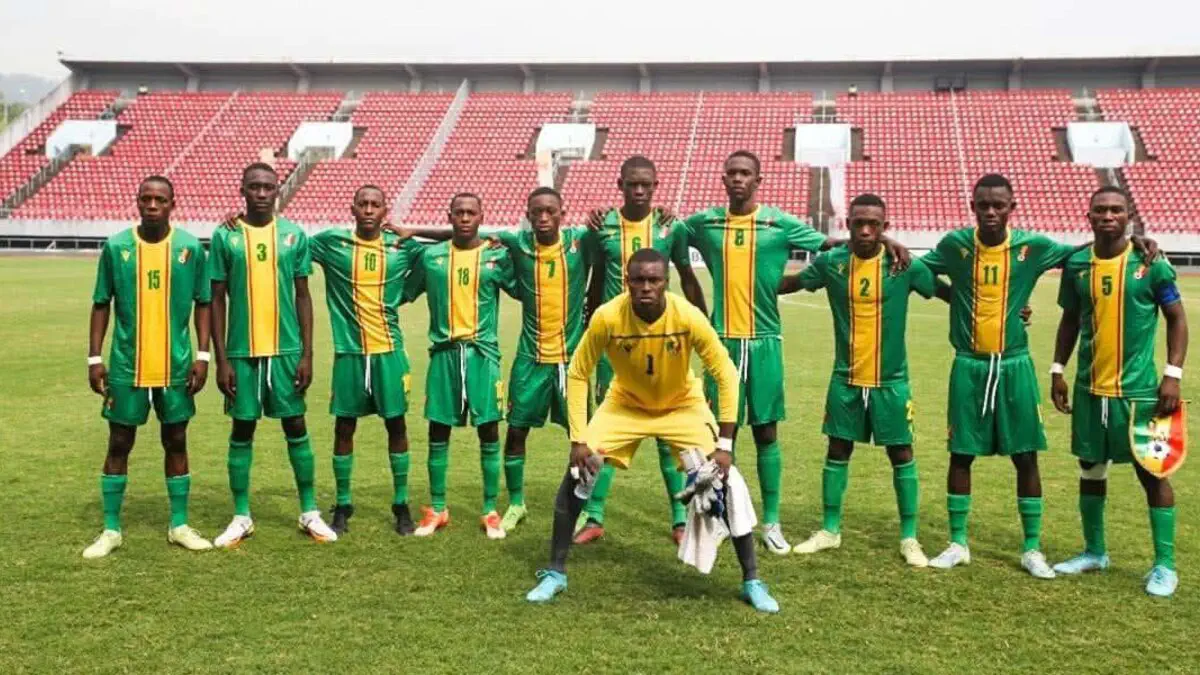
Congo-Brazzaville has officially withdrawn from the qualifying tournament for the 2026 Under-17 Africa Cup of Nations, citing organisational and administrative obstacles just days before the regional competition was due to begin.
The decision means the country will not take part in the UNIFAC qualifying event scheduled to open in Kinshasa.
During a press conference on 16 February, the executive committee of the Congolese Football Federation confirmed what it described as the “non-participation of the U17 Red Devils”, formalising Congo’s absence from the tournament.
The federation said the withdrawal followed a series of structural difficulties affecting preparations.
Among the factors highlighted was the absence of a functioning national youth championship, linked to the closure of stadiums across the country.
Officials also pointed to administrative complications involving the Ministry of Sports, including time pressures and incomplete documentation concerning certain players, which they said made participation unviable.
The announcement came on the eve of the tournament’s opening fixtures, intensifying scrutiny around the preparation process.
FECOFOOT representatives argued that, as the sport’s technical authority, the federation had not been adequately integrated into organisational planning.
In its statement, the executive body said it “deeply regrets the non-participation of the U17 Red Devils,” framing the outcome as a consequence of unresolved coordination issues.
Tensions surrounding the youth setup had surfaced earlier. One week before the withdrawal, the federation stated it did not recognise the existence of a national U17 selection, explaining that it had first learned of the team through media reports rather than through internal sporting structures.
That earlier position underscored the governance concerns later cited in the final decision.
With the UNIFAC competition proceeding in Kinshasa without Congo-Brazzaville, the episode highlights the administrative and logistical demands placed on national federations in youth tournaments.
For the Congolese programme, the withdrawal represents a pause in its pathway to continental competition while officials address the structural challenges identified during the lead-up to the event.


-
 AFCON 2025: Fixtures, Results, Scores and Standings Jan 18, 2026
 -
Leadership and long-term vision key to rescuing Zamalek and inspiring Egyptian football – Hany Abou Rida Nov 5, 2025
-
Match hero Taiwo Awoniyi reflects on team effort after Chelsea triumph May 5, 2026
-
South African giants Orlando Pirates set to lose influential forward Monnapule Saleng Mar 19, 2025




-
Atletico Madrid vs Real Madrid: Derby date, kick-off time and where to watch Sep 18, 2026
-
Marseille face PSG in Ligue 1’s latest Classique: kick-off time, TV details and form guide Sep 19, 2026
-
AFCON 2027 Qualifiers: Matchday 1 & 2 fixtures, kick-off times and venues confirmed Sep 22, 2026
-
Sierra Leone step up AFCON 2027 preparations ahead of Zimbabwe opener Sep 22, 2026