Uncertainty surrounds Women’s AFCON 2026 amid CAF-Morocco tensions
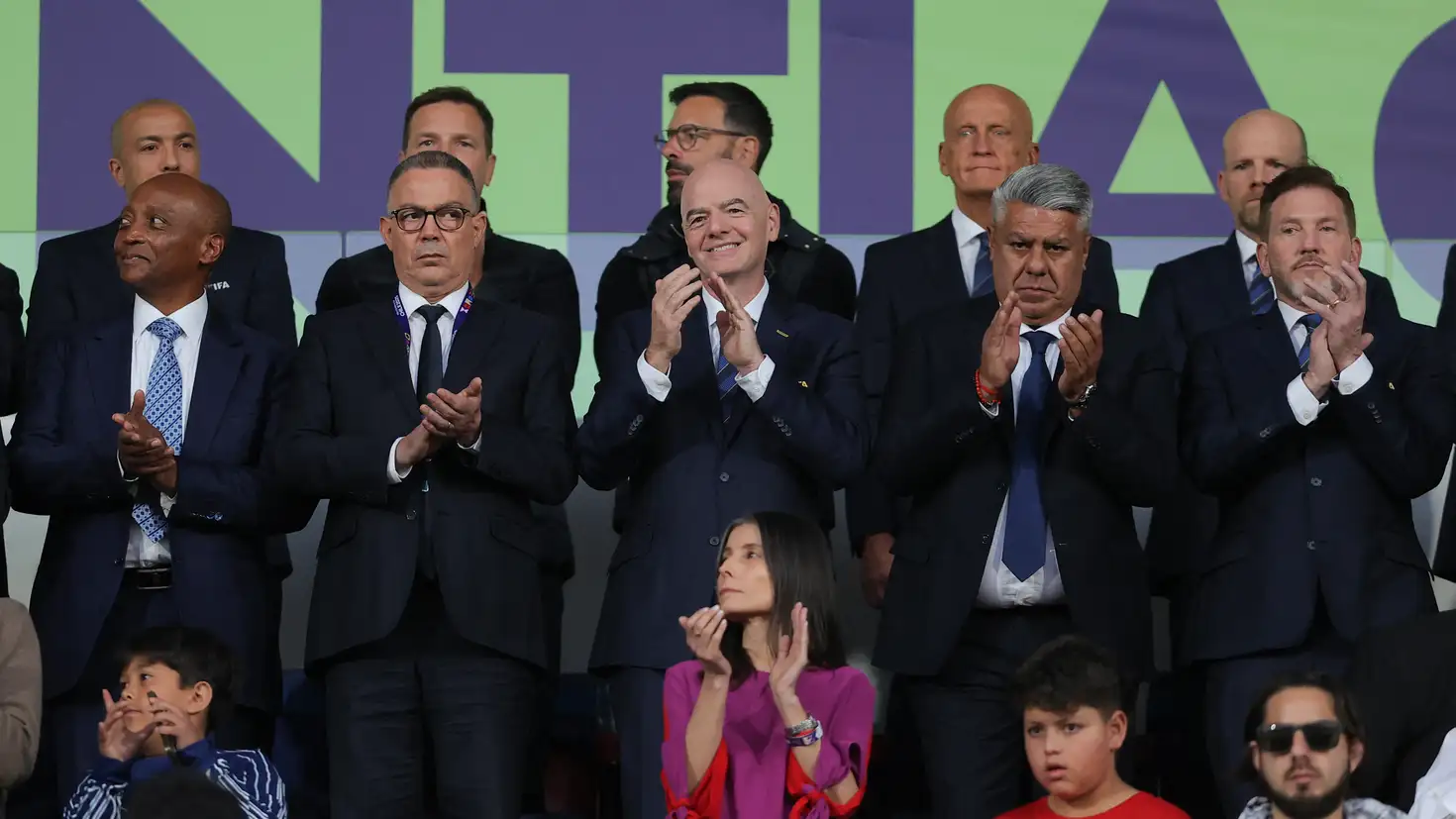
The hosting of the 2026 Women’s Africa Cup of Nations (WAFCON) remains under scrutiny following reported tensions between the Confederation of African Football (CAF) and the Royal Moroccan Football Federation (FRMF).
CAF President Dr Patrice Motsepe has publicly reaffirmed that Morocco remains the confirmed host for the tournament, scheduled to take place from 17 March to 3 April 2026.
However, speculation about a possible Moroccan withdrawal has raised questions over the stability of the continental competition.
The uncertainty follows what sources describe as a growing rift after the men’s Africa Cup of Nations final, with Moroccan officials reportedly dissatisfied with disciplinary decisions taken by CAF in relation to the match.
Moroccan football authorities are said to have viewed the sanctions imposed as insufficient, fuelling behind-the-scenes tensions.
The situation escalated when FRMF president Fouzi Lekjaa, who also serves as a CAF vice-president, did not attend a recent CAF Executive Committee meeting in Tanzania — a move widely interpreted as a sign of strain in relations.
Speculation intensified after South Africa’s Deputy Minister of Sport, Bertha Peace Mabe, suggested publicly that her country could step in to host the tournament. The remarks were later clarified by South Africa’s Sports Minister Gayton McKenzie, who stated that Morocco remained the official host and that no change had been confirmed.
The conflicting statements prompted suggestions that contingency planning may be under consideration should Morocco relinquish hosting rights. CAF has not publicly acknowledged any such emergency arrangements.
Speaking after the Executive Committee meeting, Dr Motsepe sought to project calm, emphasising CAF’s commitment to Morocco as host and underlining the importance of the tournament in the qualification pathway for the 2027 Women’s World Cup. He indicated that altering the dates or relocating the event would pose significant logistical and sporting challenges.
Moroccan authorities have yet to issue an official response to CAF’s latest assurances.
For CAF, maintaining stability ahead of one of its flagship women’s competitions is paramount.
For Morocco, which has invested heavily in football infrastructure and international tournament hosting, the event represents both prestige and strategic positioning on the global stage.
Whether the current tensions amount to diplomatic posturing or a deeper institutional disagreement remains unclear. For now, CAF’s position is firm: Morocco remains the host.
The coming weeks may determine whether that stance holds — or whether a contingency plan is activated.
-
 Lille v PSG: Paris face early test as hosts look to build on winning start Aug 26, 2026
 -
Lille v PSG: Champions League contenders meet as Paris chase first league win Aug 26, 2026
-
Algeria weigh Martinez move as manager search deadline is extended Aug 26, 2026
-
Ouaddou condemns Pirates’ ‘worst half’ despite Sekhukhune win Aug 26, 2026



-
AFCON 2025: Fixtures, Results, Scores and Standings Jan 18, 2026
-
Leadership and long-term vision key to rescuing Zamalek and inspiring Egyptian football – Hany Abou Rida Nov 5, 2025
-
South African giants Orlando Pirates set to lose influential forward Monnapule Saleng Mar 19, 2025
-
Full schedule for 2025 Africa Cup of Nations in Morocco confirmed Feb 12, 2025