Morocco seen as reliable candidate to host 2030 World Cup final
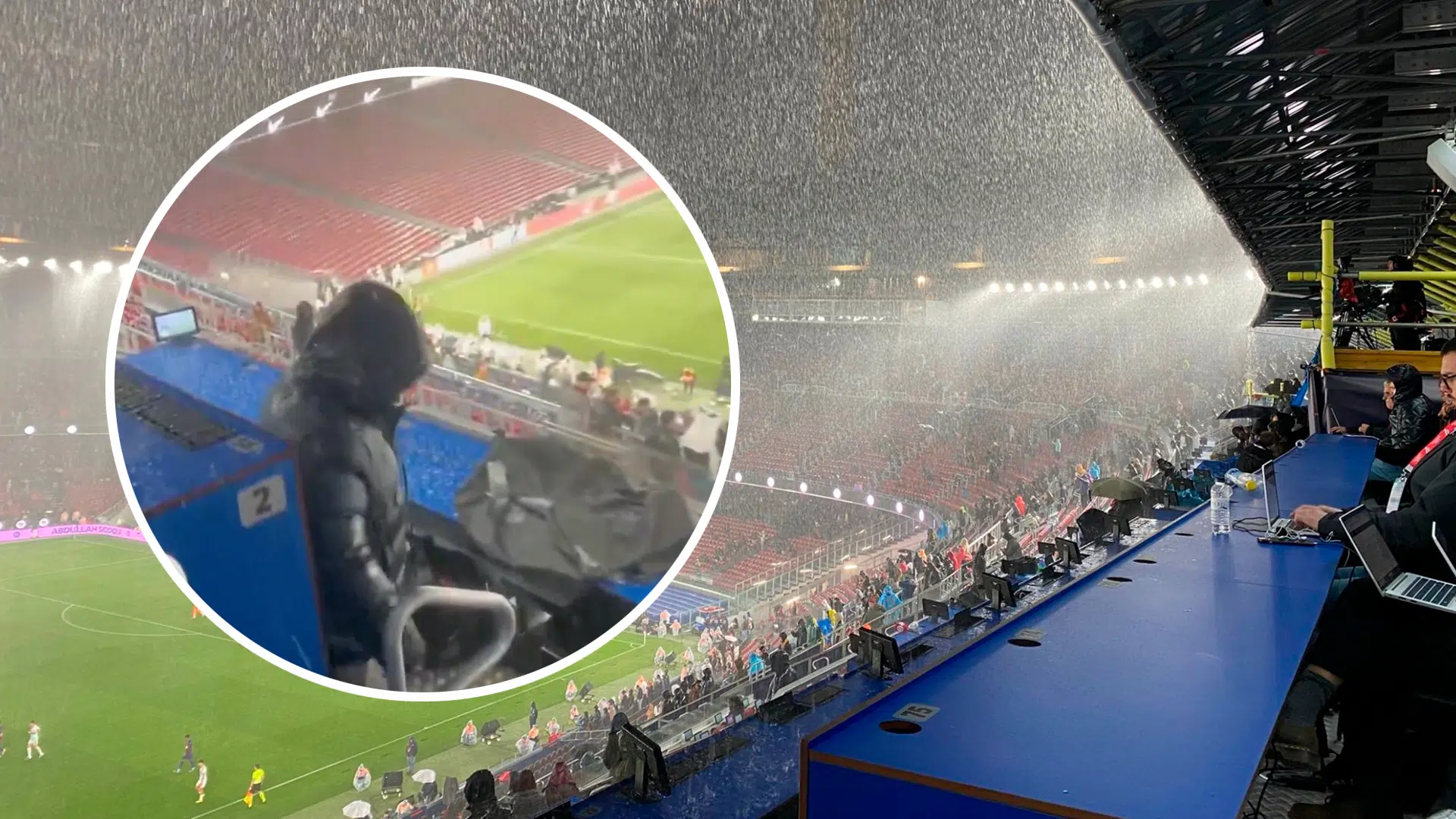
Debate over the venue for the 2030 World Cup final has intensified after images of rainwater leaking inside Barcelona’s Camp Nou raised serious questions about Spain’s infrastructure readiness.
African media reports, including Nigerian outlet Sports Village Square, say momentum is increasingly shifting toward Morocco as a realistic and trusted option to stage the showpiece match of the centenary tournament, co-hosted by Morocco, Spain, and Portugal.
These reports highlight Morocco’s modern stadiums and large-scale sports projects built to strict international standards, in contrast with technical issues and construction delays affecting some Spanish venues.
The leaked footage from Camp Nou during renovation works triggered doubts about Spain’s ability to meet deadlines and fully comply with FIFA’s demanding criteria on stadium quality, safety, sustainability, and fan experience.
Morocco, meanwhile, has quietly strengthened its position through a strong track record in hosting major competitions without weather-related disruptions or technical failures.
Upcoming projects such as the large Hassan II stadium near Casablanca and the upgraded Prince Moulay Abdellah complex in Rabat have been designed to exceed FIFA requirements for a World Cup final.
Combined with organizational experience, government backing, transport networks, and a growing tourism sector, these assets are convincing many observers that Morocco is now a serious, credible favorite to host the 2030 World Cup final.
-
 Paris Brunner: Germany and Monaco forward linked with Ligue 1 move to PSG Oct 21, 2026
 -
Benfica linked with Monza striker Gustavo Varela in possible Liga Portugal move Oct 21, 2026
-
Club Brugge linked with Fredrikstad winger Gabriel Wesseh Oct 21, 2026
-
PSG beat Barcelona 4-2 in Champions League thriller Oct 21, 2026



-
AFCON 2025: Fixtures, Results, Scores and Standings Jan 18, 2026
-
Match hero Taiwo Awoniyi reflects on team effort after Chelsea triumph May 5, 2026
-
Leadership and long-term vision key to rescuing Zamalek and inspiring Egyptian football – Hany Abou Rida Nov 5, 2025
-
South African giants Orlando Pirates set to lose influential forward Monnapule Saleng Mar 19, 2025




-
PSG v Barcelona: fiery attacks set up Champions League classic at Parc des Princes Oct 18, 2026
-
Champions League: PSG beat Barcelona as Liverpool complete comeback against Villarreal Oct 20, 2026
-
Real Betis v Barcelona: kick-off time, TV details and match preview Oct 16, 2026
-
Porto v PSV: predicted line-ups for Champions League league-phase clash Oct 19, 2026